
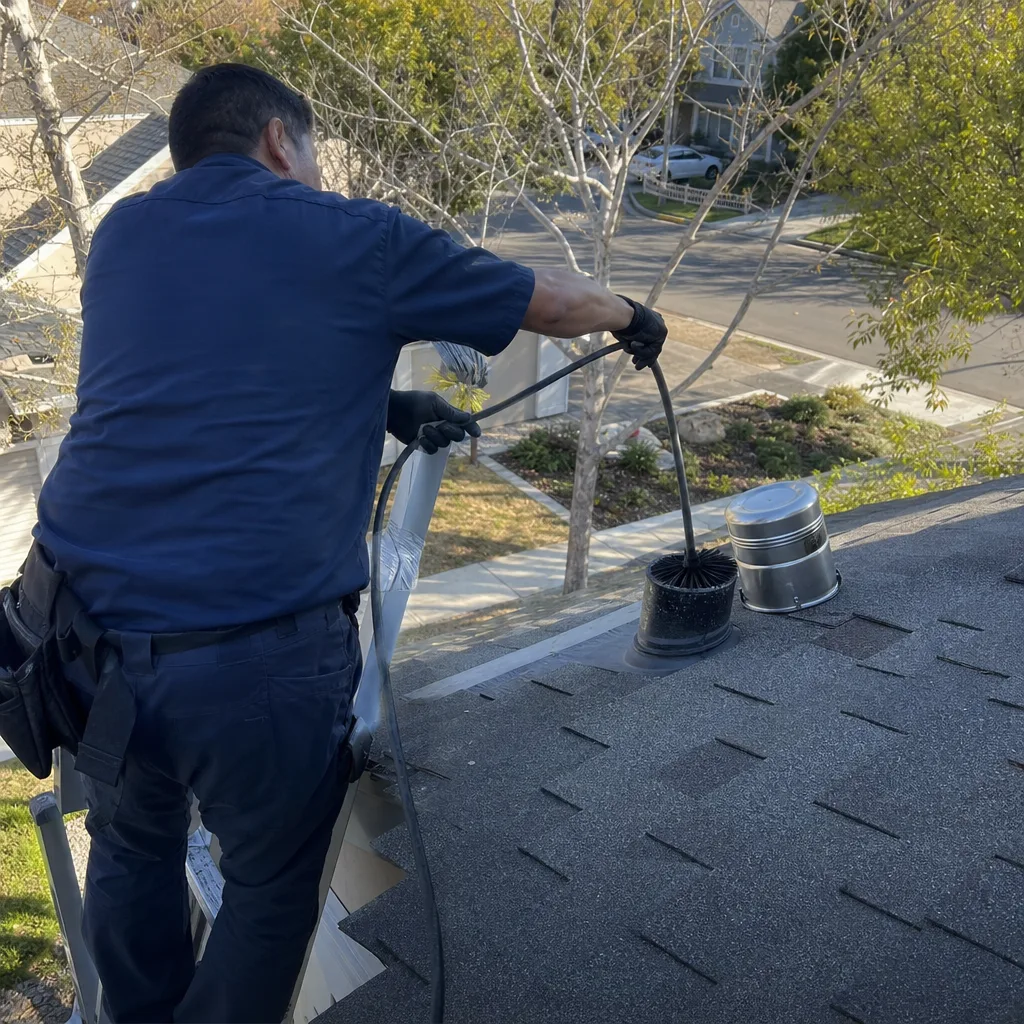
Last updated November 2, 2026
 Whole-home duct cleaning
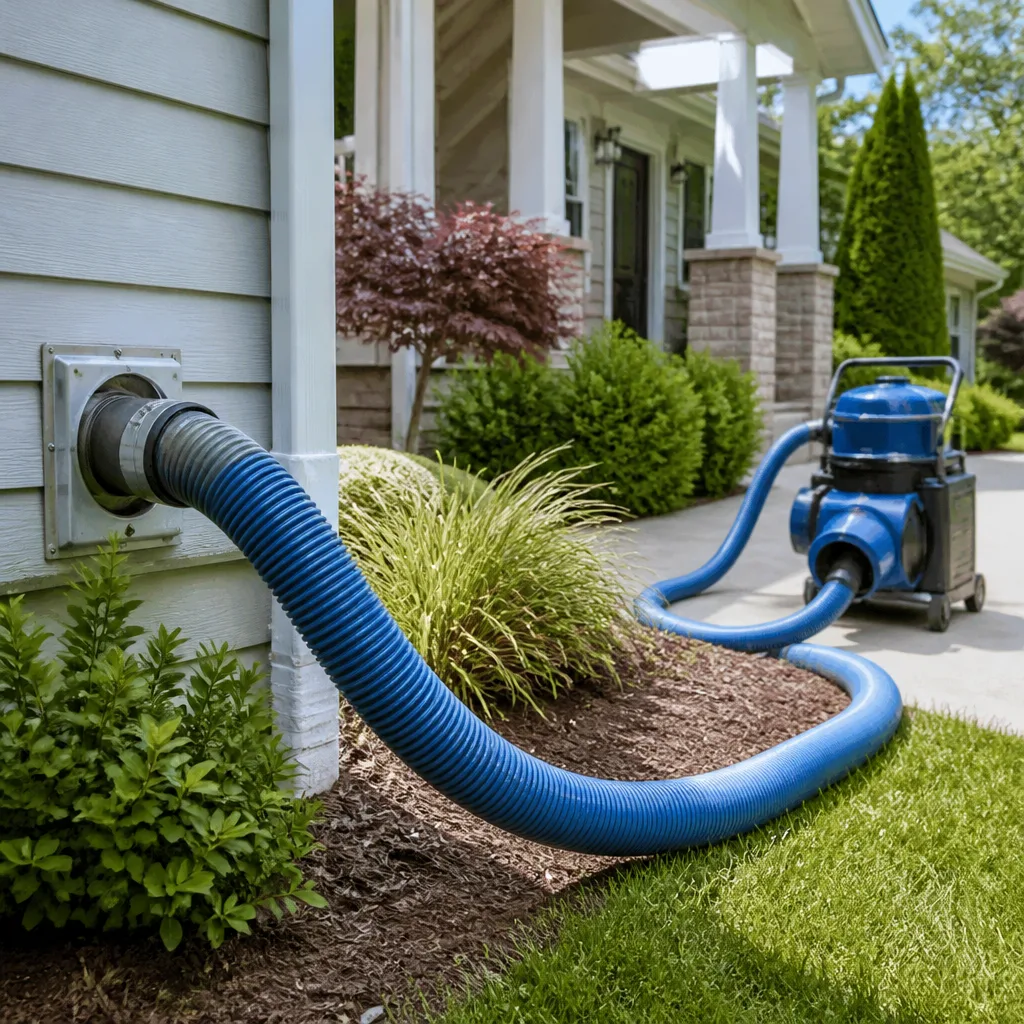
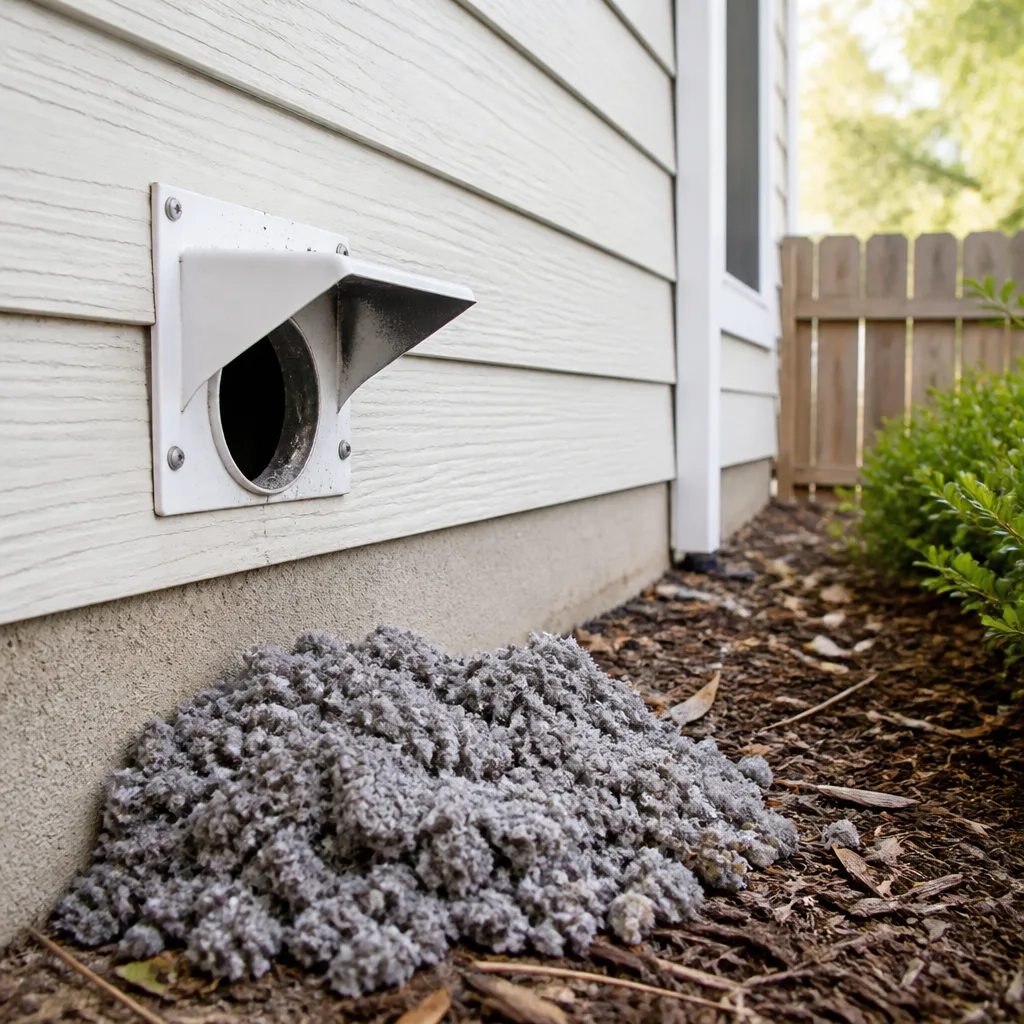 Dryer vent cleaning
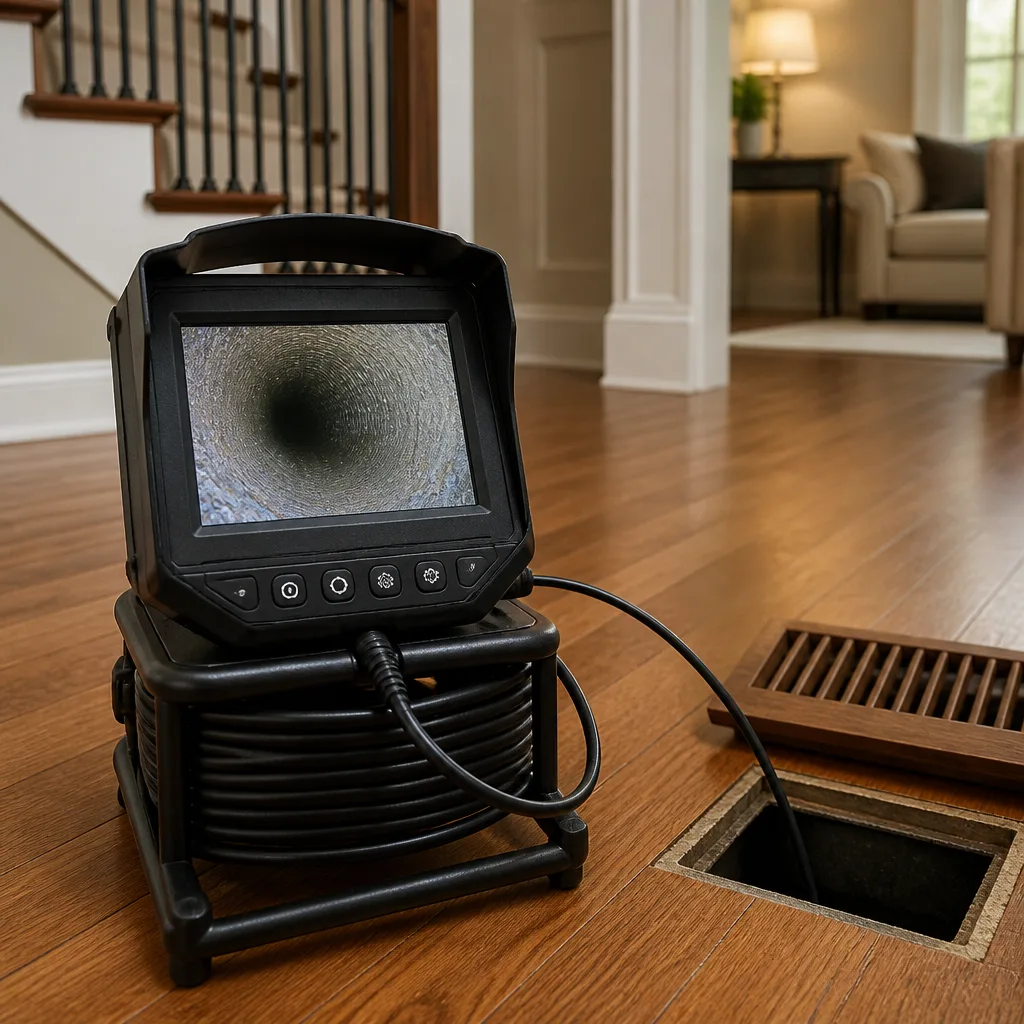 Camera inspection
 Sanitizing & deodorizing
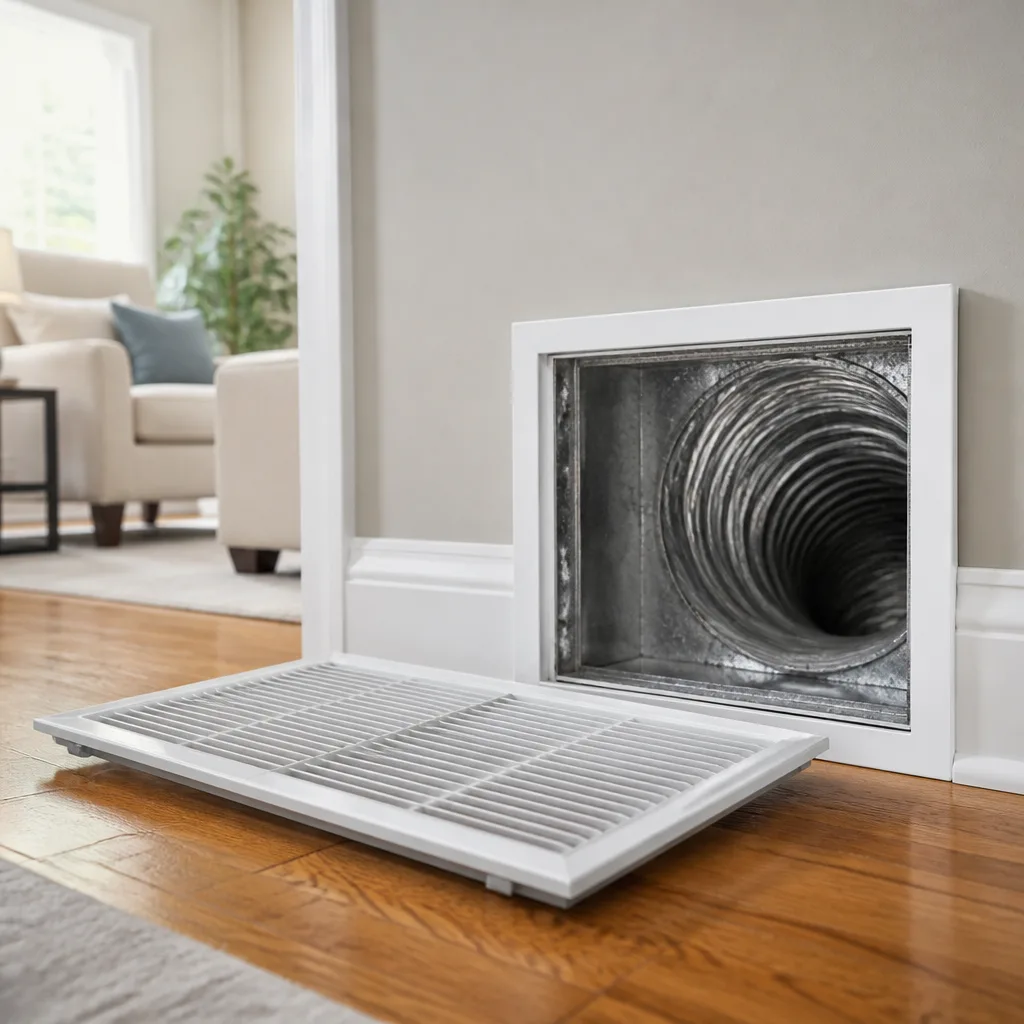
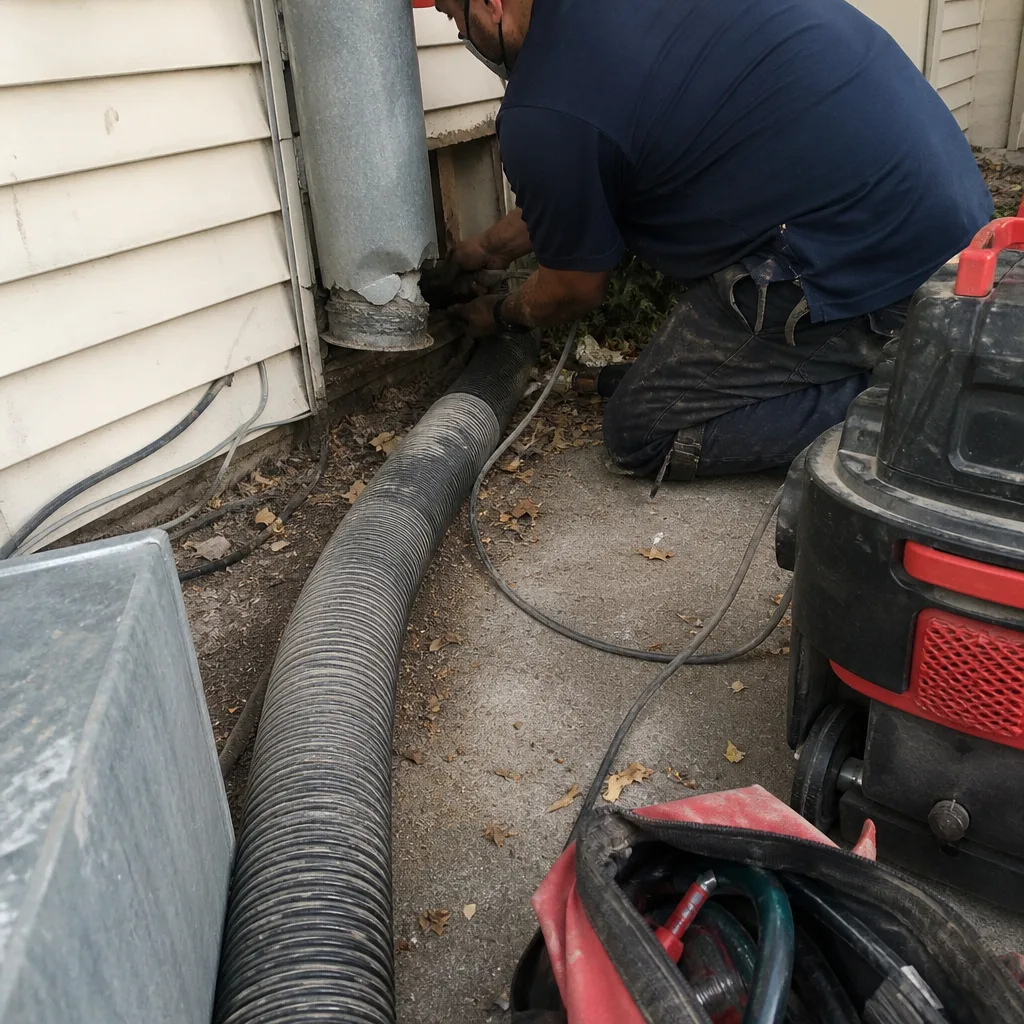
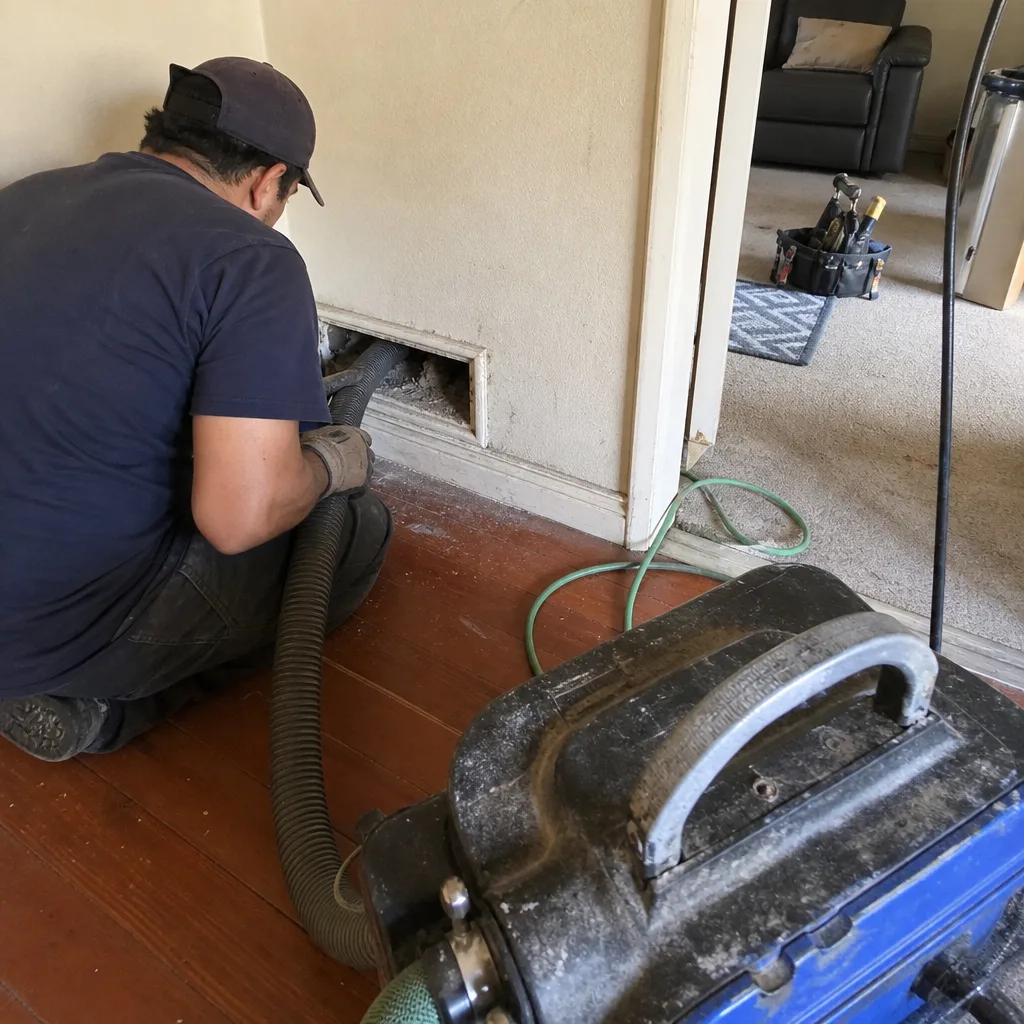
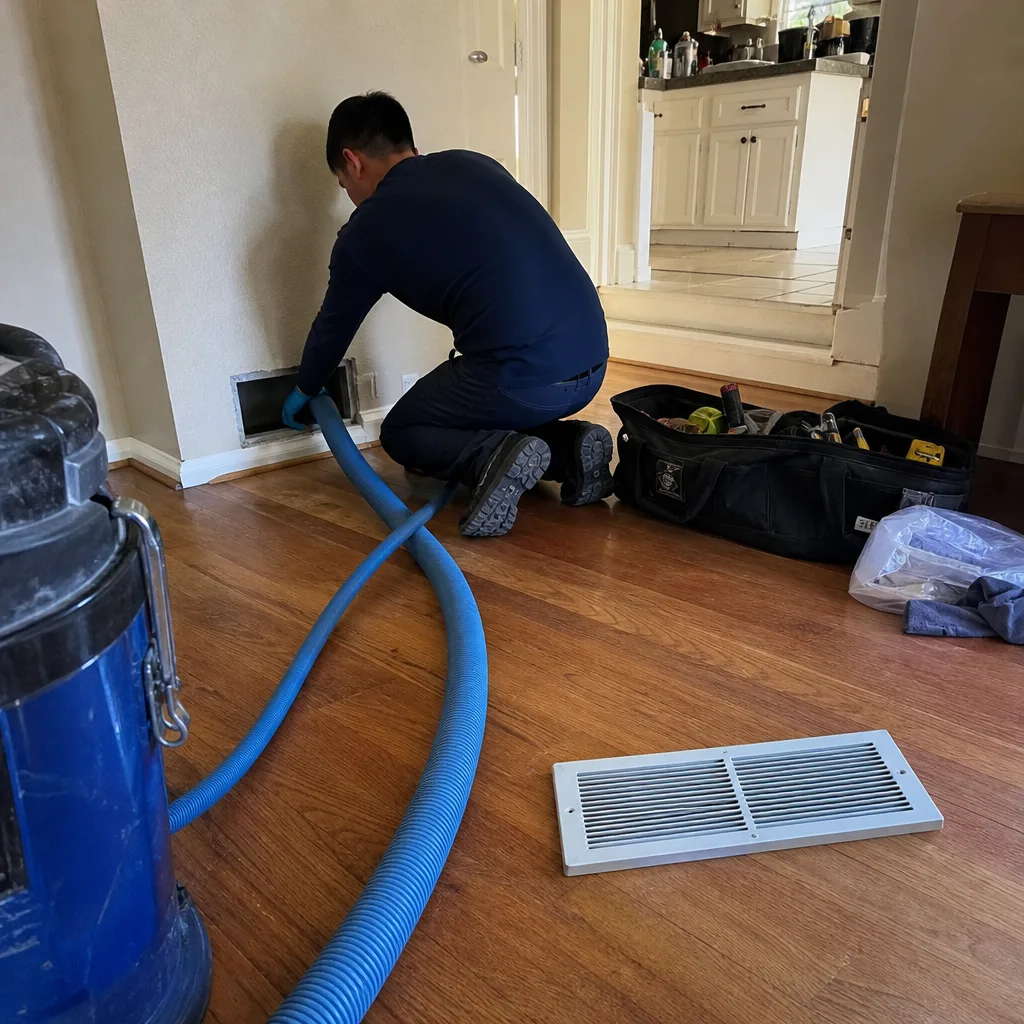
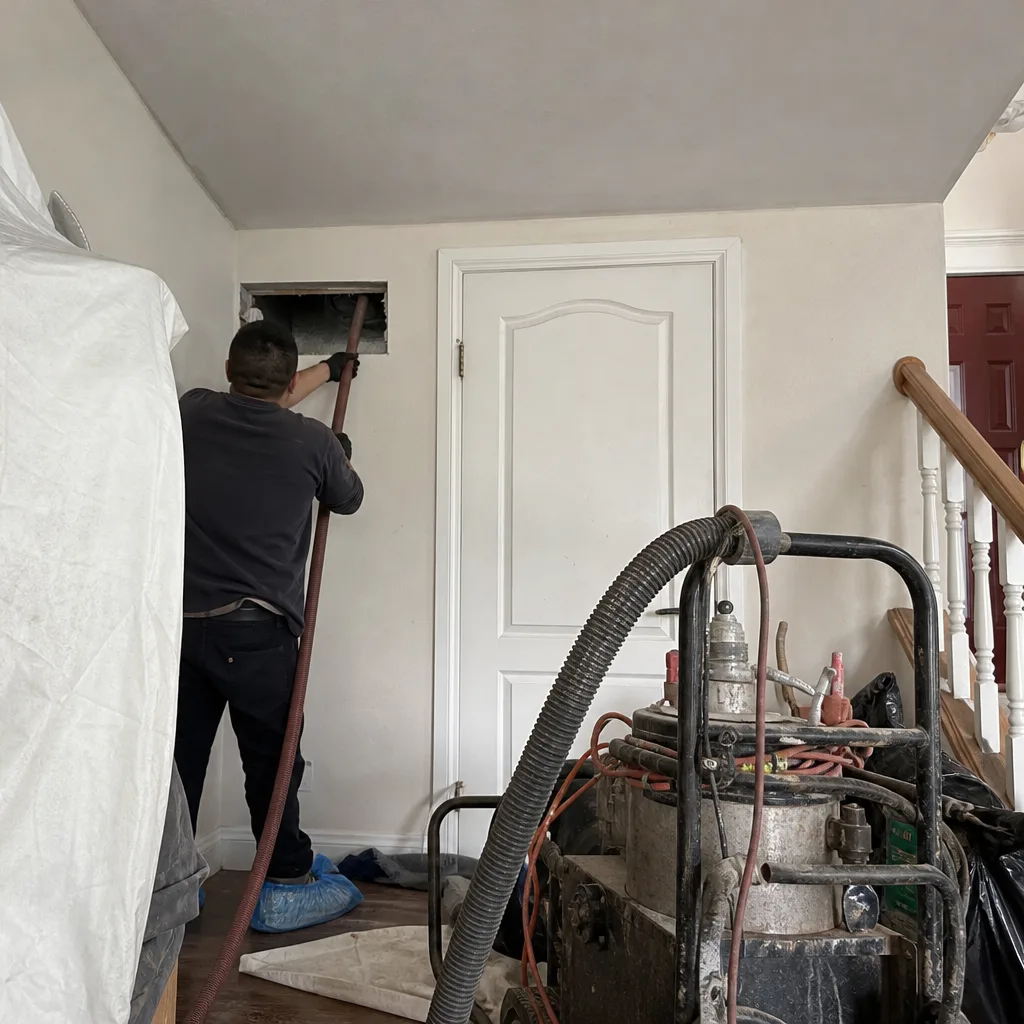
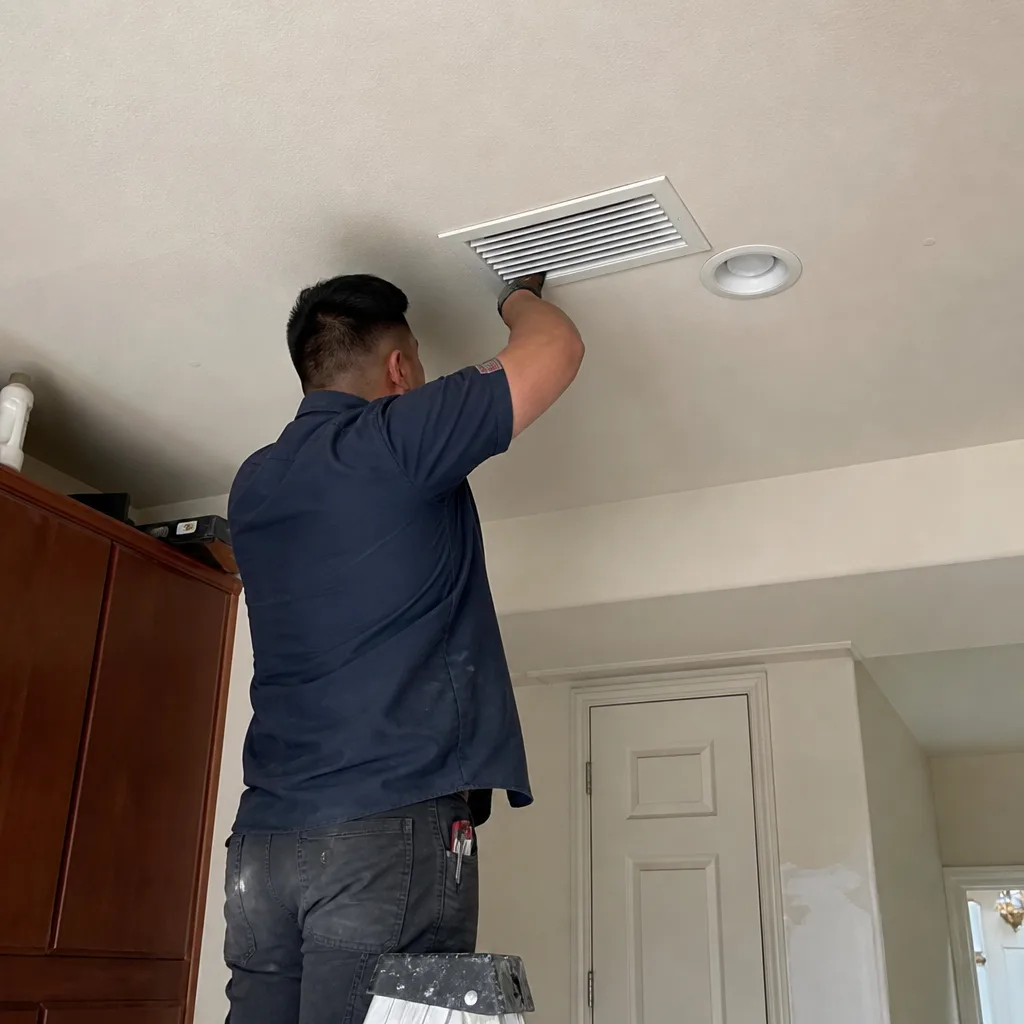
Whole-system duct and dryer vent check with before-and-after photos - you see exactly what came out of your vents
That "$99 whole-house special" is a bait ad - the real number appears once they are in your hallway, or the "clean" is a shop-vac at the register. We photograph the inside of your ducts before and after instead.
Seasonal Air Duct Cleaning Care for Sunnyvale: Year-Round Homeowner’s Guide
Here’s the counterintuitive truth about duct cleaning in Sunnyvale: waiting until you can see the problem is already too late. The worst time to schedule a duct cleaning in Sunnyvale is right after wildfire smoke clears. By then, ultrafine carbon particles have already embedded in duct liner surfaces, and removing them requires more aggressive agitation than most post-smoke appointments allow for. This guide explains the four distinct air-quality threat windows that cycle through Sunnyvale every year, what each one deposits in your ductwork, and how to time Air Duct Cleaning services so you’re ahead of the problem instead of chasing it. You’ll learn what our technicians see in this city’s duct systems season after season, and the specific steps that keep a system from becoming a chronic contaminant reservoir.
Quick Answer
Sunnyvale’s air quality cycles through four distinct seasonal threat windows, not dramatic temperature shifts, and each window deposits a different contaminant type into residential duct systems. Oak and grass pollen dominate spring, wildfire smoke and ultrafine carbon particles define late summer into fall, and winter’s increased HVAC runtime redistributes accumulated dust through every room. The most effective seasonal strategy is a spring post-pollen cleaning paired with a pre-winter maintenance pass, plus filter upgrades whenever the AQI exceeds 150.
Styles & brands we work with
- Whole-home duct cleaning
- Dryer vent cleaning
- Camera inspection
- Sanitizing & deodorizing
Table of Contents
- Spring in Sunnyvale: The Pollen Loading Season (March-May)
- Summer and Fall: Wildfire Smoke and the AQI Threshold Problem (July-October)
- Winter in Sunnyvale: Runtime Redistribution (November-February)
- Timing Cleaning Around Your Media Filter Cycle
- How to Keep a Seasonal Duct Log (The Three Variables That Actually Predict Service)
- When Cleaning Reveals Damage: The Repair Opportunity Most Homeowners Miss
- Why Dryer Vent Cleaning Has Its Own Separate Calendar
- Common Mistakes to Avoid
- When to Call a Professional
- Frequently Asked Questions
Spring in Sunnyvale: The Pollen Loading Season (March-May)
Between March and May, Sunnyvale’s oak and grass pollen counts climb steadily, and the air moves through a cycle that’s particular to this part of the South Bay. Morning onshore flow pushes coastal air inland. By afternoon, when temperatures rise, the valley’s warmer air reverses that flow, pulling pollen-heavy air from the hillsides down into residential neighborhoods. Homes with older, unsealed returns are the first to accumulate biological debris during this window, because every gap in a return plenum becomes an intake point for airborne pollen that bypasses the filter entirely.
What this means inside your ducts is straightforward: pollen grains are relatively large at 10 to 40 microns, but they’re aerodynamic enough to travel through return air and settle on duct surfaces. Once there, they don’t simply blow out on the next cycle. Duct liners, especially older fiberglass-lined systems, hold onto them. Add a little moisture from spring’s occasional humid days, and that accumulated organic material becomes food for biological growth that persists long after the pollen season ends. Homeowners in Sunnyvale neighborhoods like Ponderosa Park, Heritage District, and Lakewood frequently tell us they can smell a musty or grassy odor when the system first cycles in spring. That odor is biological material already decomposing inside the duct network.
Here’s the spring sequence we recommend:
- Early March: Inspect the filter. If it has visible yellow or green tinting by March 15, pollen infiltration is already active.
- Mid-March through April: If your system has unsealed returns or duct sections you can access, have those joints sealed now, before peak pollen loads.
- Late May to early June: Book a professional air duct cleaning after the primary bloom recedes. This removes the biological load before summer heat bakes it onto surfaces and makes it harder to extract.
A HEPA-rated extraction unit, like the Nikro equipment we run on every Air Duct Cleaning in Sunnyvale job, captures the biological material rather than redistributing it. That matters, because pollen in ducts is not just an allergy trigger inside the system. It’s a reservoir that re-enters living space whenever the blower cycles.
Summer and Fall: Wildfire Smoke and the AQI Threshold Problem (July-October)
Sunnyvale sits in a position that receives drift smoke from fires in the Santa Cruz Mountains, the East Bay hills, and on the worst days, from as far north as the Kincade and Park incidents. Smoke events are no longer rare here. They’re now an expected part of the late summer and fall air profile, and they produce hyperfine particulate that behaves completely differently from pollen.
Pollen is large and biological. Smoke particulate, especially PM2.5 and smaller, is combustion carbon that measures under 2.5 microns. It passes through standard fiberglass filters, enters the duct system, and deposits on surfaces through electrostatic attraction and thermal precipitation onto cooler metal. Once embedded in duct liner or settled in low-velocity sections, it does not re-suspend easily with normal airflow. That’s exactly why the worst time to clean is right after a smoke event. The particles have settled and begun bonding to surfaces, and removing them requires extended contact time with rotary brush agitation. A standard post-smoke clean that skimps on dwell time leaves the carbon load in place.
Here’s the AQI framework we use with Sunnvyvale homeowners:
- AQI 0-50 (Good): Normal operation. Standard filter maintenance only.
- AQI 51-100 (Moderate): If you have a media cabinet running an Aprilaire or Honeywell media filter, this is when it starts doing real work. No action on ducts needed.
- AQI 101-150 (Unhealthy for sensitive groups): Consider running the HVAC fan continuously in circulation mode if you have a tight system with good filtration. This is not a substitute for sealing the home, but it gets proactive if you work from home or have respiratory sensitivities in the house.
- AQI 150+ (Unhealthy for everyone): This is the threshold where we recommend shutting off outside air intakes entirely and running the system only on recirculated air through a MERV 13 or better media filter. After the event clears, schedule a professional inspection before sending heavy airflow through potentially contaminated ductwork.
One thing we see repeatedly in Sunnyvale homes after smoke events: the filter is swapped but the duct inspection never happens. The filter catches what the filter catches. The duct system is already downstream of that point, and the ultrafine carbon that made it into the ducts before the filter change stays there until someone removes it with professional agitation and HEPA extraction. If you run a Honeywell media cabinet and change the media after every smoke event, you’re protecting the system dramatically better than a standard 1-inch fiberglass filter. But you’re still not cleaning 100 percent of it. Filtering incoming air and cleaning the duct pathway are two different functions, and you need both.
Winter in Sunnyvale: Runtime Redistribution (November-February)
Sunnyvale doesn’t get a true winter. Evening temperatures in the 40s are common, overnight lows occasionally touch the 30s, and daytime highs stay in the 50s and 60s. But what Sunnyvale does experience is a sharp increase in HVAC runtime during evening and overnight hours from November through February. In our experience, this is the single most overlooked driver of duct contamination in the city.
Here’s why runtime matters more than season. When the heater runs for six to eight hours through an evening, it’s cycling air through the duct network at two to four times the daily volume of a summer system that cycles mostly during the heat of day. That volume re-suspends settled dust that accumulated in low-flow sections during the fall. It transports it back through the return system and the filter, and it re-deposits it throughout the network. A system that looked acceptable in October can be visibly dust-loaded by late January, simply because the blower did the work of moving accumulated debris around.
This is why we recommend a pre-winter cleaning over a post-winter one. A post-winter clean waits until the system has already spent months redistributing whatever was in the ducts. A pre-winter clean removes the accumulated load before the high-runtime season begins. The distinction matters. In Sunnyvale, early November is the better window for this. It’s after the worst of the wildfire season has passed, and before holiday travel, closed windows, and longer runtimes hit their peak. When every room is already dusting faster than you can wipe it down in December, that’s the signal the pre-winter clean would have prevented the condition.
Timing Cleaning Around Your Media Filter Cycle
If your system uses an Aprilaire media cabinet or a Honeywell media filter, you already have a significant advantage over standard fiberglass filtration. Media filters with MERV 11 to MERV 16 ratings hold far more particulate and maintain airflow with less restriction than 1-inch panels. But here’s the critical detail most homeowners in Sunnyvale miss: you should not pay for a duct cleaning while your media filter is still doing its job.
These media filters are designed to load progressively. An Aprilaire MERV 13 media filter, for instance, can run six to twelve months in a typical Sunnyvale home without needing replacement. In the first three to four months of that lifespan, it’s capturing particulate effectively and protecting the downstream duct system. Booking a duct cleaning during that window means paying for a service the filter has already been preventing. The better timing is to anchor your duct cleaning to the back half of the filter’s replacement cycle, or to schedule both together.
Consider this simple schedule:
- Install fresh media filter in early spring, just before pollen season. It now protects the ducts through the heaviest biological loading period.
- Replace the media filter in early fall, after the summer smoke season has loaded it. If you had heavy smoke exposure, this is the correct replacement point regardless of age.
- Schedule duct cleaning right after the fall filter swap. You’re now cleaning a system that’s been protected by a quality filter all season, and the filter is no longer masking duct contamination that could make winter air quality worse.
That sequencing avoids paying for cleaning before filtration has done its job. It also means you’re not paying for a filter that’s already saturated and no longer protecting the ducts. Timing them together is the only way to make both investments pay off fully.
How to Keep a Seasonal Duct Log (The Three Variables That Actually Predict Service)
We advise every Sunnyvale homeowner we work with to keep a simple log, not because anyone needs more paperwork, but because three variables explain almost all duct cleaning needs. You cannot look inside your ducts without a camera inspection, but you can track the variables that tell you when service is due. Here’s the log that actually predicts service intervals:
| Variable | What to Record | What It Tells You |
|---|---|---|
| Filter condition | Install date, MERV rating, visible loading at each monthly check | How much particulate is entering the system and what the filter is catching. A filter that’s visibly loaded in under 30 days is a signal of high particulate entry. |
| AQI exposure days | Days above AQI 100, days above AQI 150, peak AQI value per smoke event | Ultrafine particulate load that has reached the duct system. Each AQI 150+ day is worth about a half step toward next cleaning. |
| System run hours | Approximate daily runtime, thermostat settings, noticeable change in cycle frequency | How much air has moved through the ducts. More runtime redistributes existing debris faster. |
Once a month, spend sixty seconds recording these three data points. If filter loading is accelerating, or run hours jump due to a cold snap, or AQI days stack up in September, you have an objective basis for calling us instead of guessing. In our experience, homes that track these three variables schedule duct cleaning at intervals that match their actual condition, not the generic “every three to five years” you’ll see on most websites. Some Sunnyvale homes with well-sealed returns and quality Aprilaire filtration genuinely can go five years between professional cleanings. Others, with unsealed return chases and high AQI exposure, need it every 18 to 24 months. Only the log tells you where your home falls.
When Cleaning Reveals Damage: The Repair Opportunity Most Homeowners Miss
Every professional duct cleaning we perform in Sunnyvale includes a visual inspection of the accessible duct sections. That’s not an add-on. It’s part of doing the job correctly, because the same conditions that load a duct system with debris also stress the duct materials themselves. Here’s what that inspection routinely reveals in this city’s housing stock.
Many Sunnyvale homes were built in the 1960s and 1970s, and a substantial number still have original duct runs. Flex duct from that era degrades over time. The inner liner separates, the outer vapor barrier tears, and the duct collapses in sections, reducing airflow to specific rooms. Sheet metal ducts from the same period develop rust at the seams, especially in crawl spaces where moisture levels are higher. Every one of these conditions does two things: it restricts airflow and raises static pressure, which drives more particulate through every remaining gap and makes the system work harder. Cleaning can remove the debris, but it cannot fix a collapsed flex run or a rusted-out metal section.
That’s exactly why we built Air Duct Repair in Sunnyvale into our service set. When we find damage during a cleaning, we can quote the repair on the spot and often complete it in the same visit. Most cleaning-only companies find that damage and walk away, leaving the homeowner with a cleaner but still compromised system. We clean it. If it’s damaged, we repair it. That continuity matters, because a duct system with a collapsed run will re-contaminate far faster than a sealed, structurally sound one. There’s no point in paying for a professional cleaning if the system has a gap downstream pulling in crawlspace air. That’s a waste of your money.
If you’re in an older Sunnyvale neighborhood like Washington Park, Birdland, or Raynor Park, and you haven’t had the ducts inspected in the last decade, expect to find something. The housing stock is simply at the age where flex duct and taped joints are failing. A professional inspection during cleaning is the cheapest way to find out.
Why Dryer Vent Cleaning Has Its Own Separate Calendar
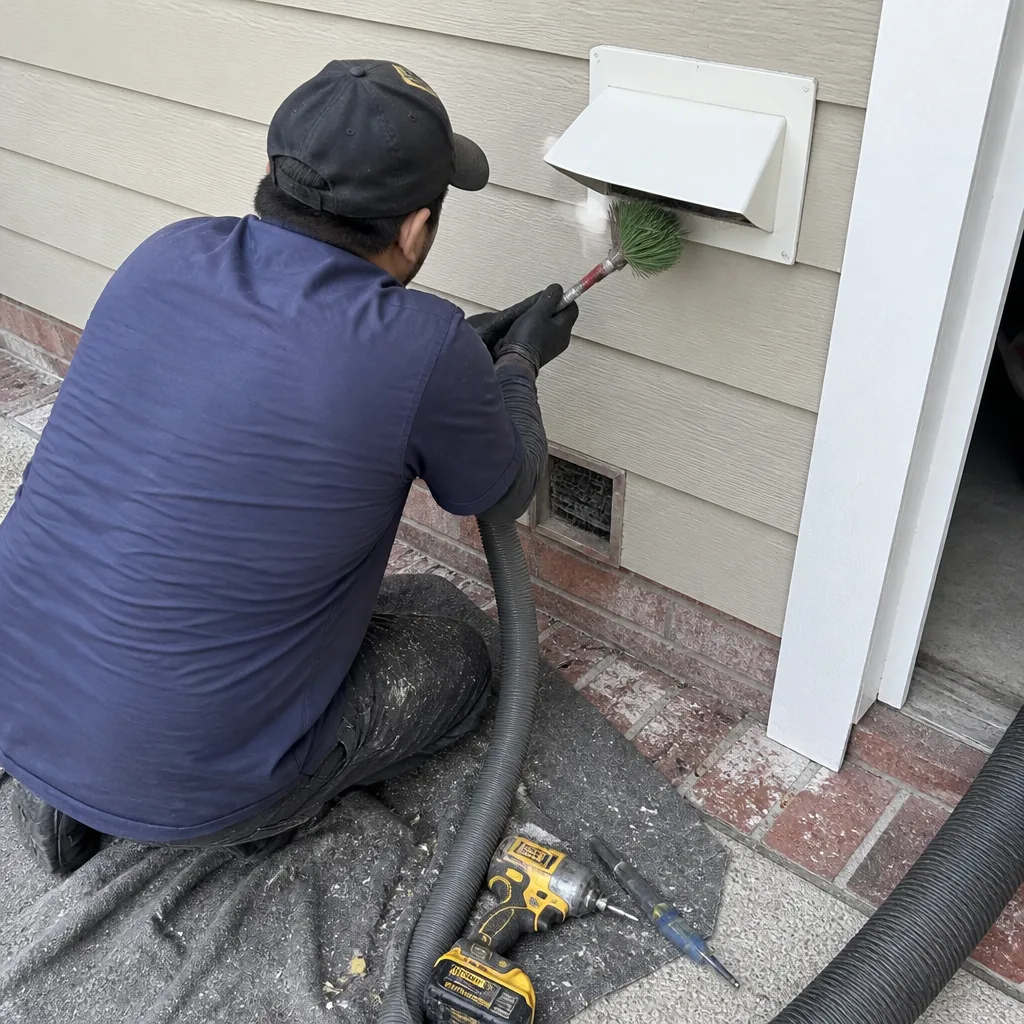
Dryer vents are often treated as an afterthought in seasonal maintenance guides. We treat Dryer Vent Cleaning in Sunnyvale as a fire-safety service with its own calendar, because the factors that load a dryer vent don’t follow the same seasonal pattern as HVAC ducts.
The primary driver of dryer vent loading is lint accumulation around bends, at the wall penetration, and at the exterior termination point. That accumulation happens year-round, but it accelerates when dryer usage increases. In Sunnyvale, that’s not a winter clothing issue the way it is in colder climates. It’s the year-round pattern of families running multiple loads daily, and the particular issue of long vent runs in older single-story homes. A 20-foot run with two elbows loads lint faster than a short direct run, regardless of season. Some of the longest and most lint-prone runs we encounter in Sunnyvale are in homes where the laundry room sits in the center of the floor plan and vents route across the ceiling to the exterior wall.
Here’s the seasonal framework that works for most Sunnyvale homes:
- Inspect the exterior termination point quarterly. If the flapper doesn’t fully close when the dryer is off, animal intrusion and outside air are entering the vent.
- Clean the vent annually at minimum. Households with four or more people or two or more pets should consider every six months.
- Cleaning after any observed symptom. Long dry times, a hot dryer cabinet, or a burning lint smell are not “later” items. They’re fire-risk indicators that need immediate professional service.
One thing we want to be blunt about: a clogged dryer vent is a real fire hazard, not a convenience problem. The lint that accumulates in that vent is highly combustible, and the dryer produces enough heat to ignite it in the right conditions. National fire data consistently shows clothes dryers as a leading residential fire source. That’s not scare language. That’s what we see in the field. If your vent hasn’t been cleaned in over a year, the next load could be the one that matters. Professional equipment matters here, too. A Nikro HEPA vacuum adapted for vent cleaning captures the lint at the source rather than blowing it into the attic or crawlspace, and it does so with the negative pressure needed to pull dense lint plugs all the way out.
Common Mistakes to Avoid
- Waiting for visible dust to schedule cleaning. By the time dust is visibly accumulating on registers or furniture shortly after cleaning, the system has already been heavily loaded. The goal is to clean before that point. Use the log, not your eyes, as the primary trigger.
- Post-smoke cleaning without enough dwell time. After a wildfire smoke event, ultrafine carbon particles have settled onto duct surfaces and begun bonding. A rushed cleaning with insufficient agitation leaves that carbon in place. Ask your provider specifically how they handle post-smoke contamination.
- Changing the filter but skipping the duct inspection after a smoke season. The filter catches what reaches the filter. Whatever passed through during the hours before the filter swap is still in the ducts. You can’t filter your way out of it.
- Cleaning the HVAC ducts but ignoring the dryer vent. The two systems have different contamination sources and different cleaning schedules. A home with freshly cleaned HVAC ducts and a lint-loaded dryer vent is still not a safe house.
- Assuming sealed modern construction doesn’t need duct attention. Sealed homes concentrate whatever is inside. If the ducts were contaminated during construction or a smoke event, that contaminant has nowhere to go. Tight construction raises the importance of duct cleanliness, not lowers it.
- Paying for a cleaning without an inspection. A cleaning-only company that doesn’t inspect for damaged sections, gaps, or collapsed runs is performing half the service. You cannot fix what you didn’t look at, and you cannot maintain what is structurally failing.
- Using consumer-grade equipment for a professional result. A shop vac and a brush from the hardware store cannot reach all sections of a residential duct network, and they generate lower static pressure than the job requires. Professional-grade equipment exists because this is a professional-grade contamination problem.
When to Call a Professional
Some duct conditions are genuinely beyond what any homeowner can address. If you see visible mold growth inside ductwork, hear animals or mechanical rattling in the system, observe collapsed flex sections, or have had a sustained wildfire smoke exposure with an AQI above 150 for multiple days, schedule a professional inspection rather than guessing. If a room in your home is consistently warmer or cooler than the rest despite balanced vents, you likely have a duct obstruction or leak that cleaning will reveal. And if your dryer is taking twice as long to dry clothes as it did six months ago, that’s a vent restriction approaching a safety threshold, not a maintenance nuisance. Duct Cleaning Sunnyvale offers free estimates in Sunnyvale, and we’ll tell you honestly if your system needs service now or can wait six months. Call (866) 593-7291 to schedule.
Frequently Asked Questions
Air duct cleaning in Sunnyvale typically runs from $400 to $900 for a standard single-family home, depending on the number of duct runs, accessibility, and level of contamination – see our Air Duct Cleaning Cost Breakdown: The Sunnyvale Homeowner’s Reference for 2026 for full details. Systems with post-smoke carbon loading or biological growth from neglected springs run higher. We provide one flat price per system, agreed to before any work begins. That’s the difference between our quote and the coupon pricing you’ll see advertised elsewhere. You’ll know the cost before the van arrives.
Most Sunnyvale homes need professional air duct cleaning every two to five years, and the spread depends on three variables: filter quality, wildfire smoke exposure, and duct system condition. Homes with media filters and sealed returns can stretch to five years. Homes with unsealed returns, high AQI exposure, or older degrading flex duct often need service in half that time. The seasonal log in this guide is the way to determine your actual interval.
Cheaper duct cleaning quotes usually reflect lower equipment quality, rushed service times, or a bait-and-switch model where the low price applies to a partial clean and the real service gets the upsell. Professional extraction with HEPA-rated equipment and rotary brush agitation requires contractor-grade tools and time. If a quote is dramatically lower than the $400 to $900 range for a standard home, ask what equipment they use and whether the price is for the entire system or per vent.
You can remove surface dust from accessible register areas and vacuum return grilles, but that addresses less than 10 percent of the internal duct surface. Professional cleaning requires reaching the full length of every run with rotary agitation and HEPA extraction. There’s a reason commercial contractors use Rotobrush and Nikro equipment. It creates the static pressure and contact time needed to remove embedded contaminants, not just loose surface dust.
A professional duct cleaning should include before-and-after inspection, ideally with camera documentation of the accessible duct sections. You should be able to see the internal condition before work begins and after it’s finished. Ask us for photos of your ducts. We provide them. If a company cannot show you what the inside of the ducts looked like before and after, you have no way to verify the work. That’s a red flag.
Wildfire smoke particulate does not permanently damage duct material, but it can embed in duct liner surfaces and require extended agitation to remove. The carbon particles bond electrostatically to surfaces, and they will not simply blow out with normal airflow. Thorough post-smoke cleaning with extended dwell time is the difference between actually removing the carbon load and leaving it in place for months. If you’ve had a serious smoke season, that cleaning is not optional maintenance. It’s removal of a contaminant that will otherwise stay in your system indefinitely. Call (866) 593-7291 for an exact quote, and we’ll assess what your specific system needs.
The Bottom Line
Sunnyvale’s duct systems face four distinct seasonal threats: spring pollen that accumulates in unsealed returns, summer and fall smoke that embeds ultrafine carbon in duct surfaces, winter runtime that redistributes everything already in the system, and year-round dryer lint that builds toward a fire hazard on its own schedule. Each of these calls for a different response, and none of them can be replaced by simply changing a filter. Track your filter condition, AQI exposure days, and system runtime in a simple monthly log. Time professional cleaning to the back half of your media filter cycle and before winter’s runtime spike. And when cleaning reveals damage, repair it rather than leaving a compromised system to re-contaminate. For more on our full range of services, visit the Duct Cleaning Sunnyvale home page or call (866) 593-7291.
Written by the team at Duct Cleaning Sunnyvale, serving Sunnyvale since 2015. Explore our more guides & resources.
See the difference
 Before
 After
 Before
 After
 Before
 After