
Last updated November 2, 2026
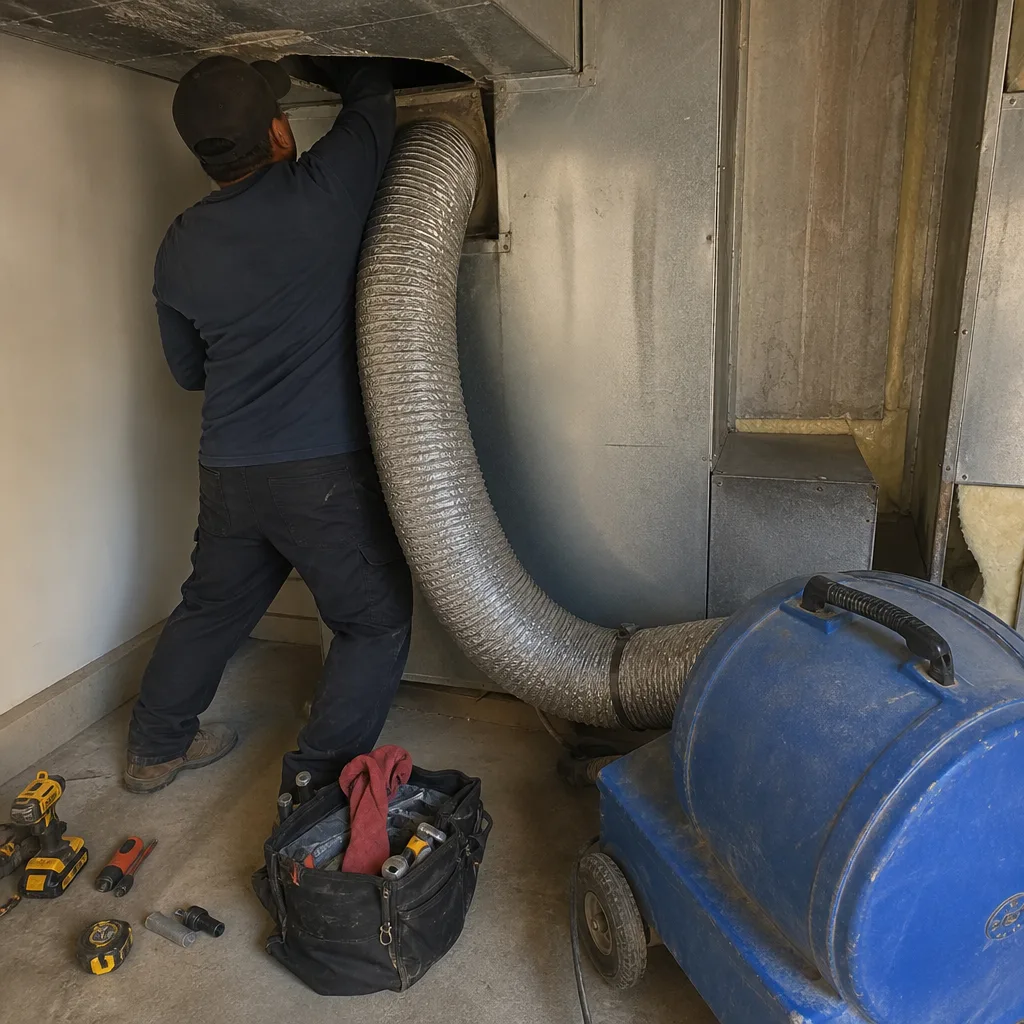
 Whole-home duct cleaning
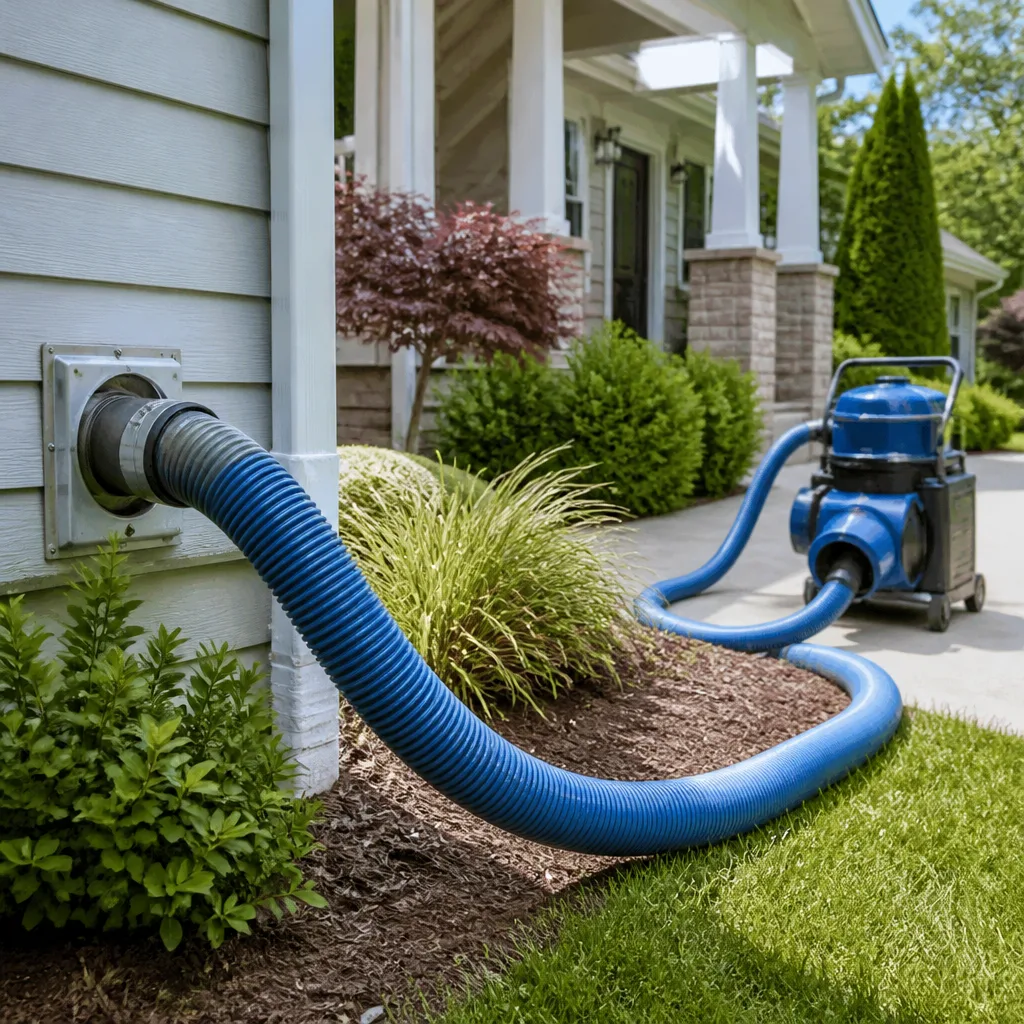
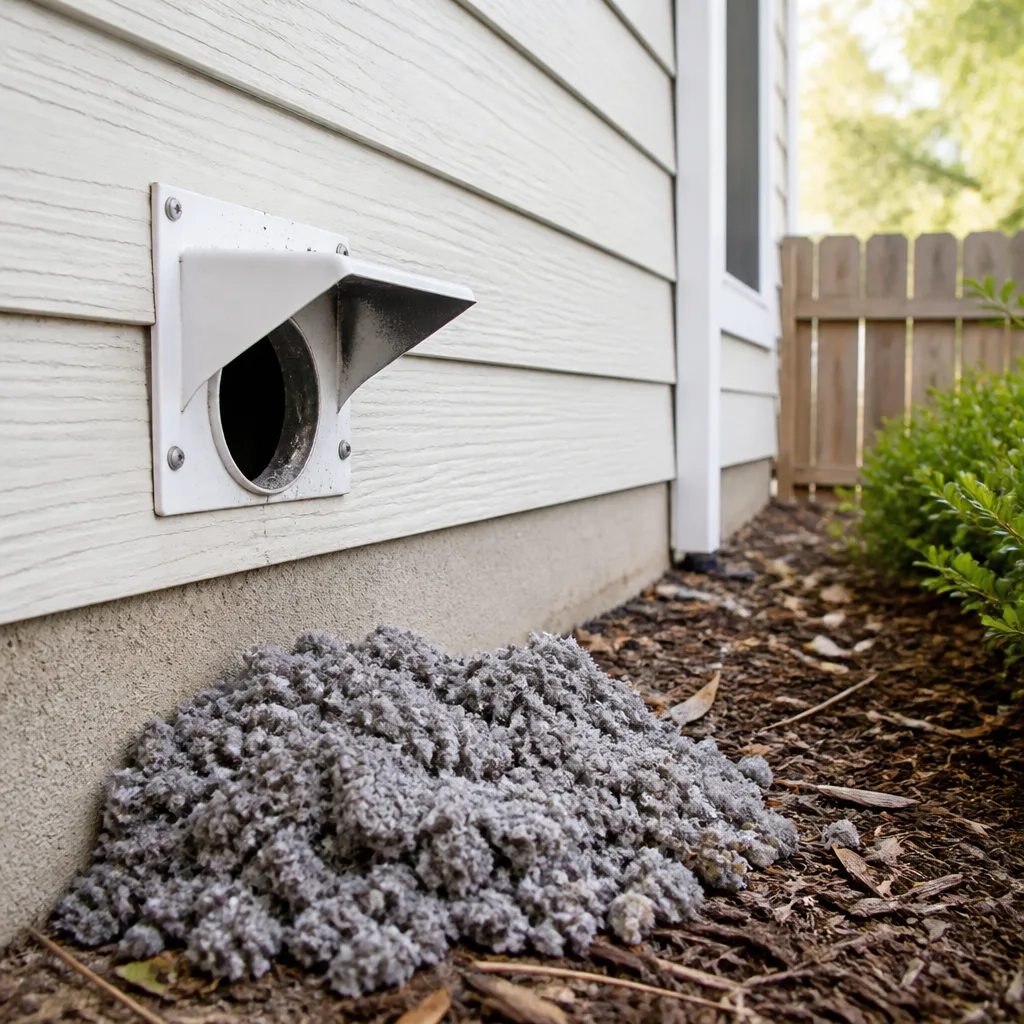 Dryer vent cleaning
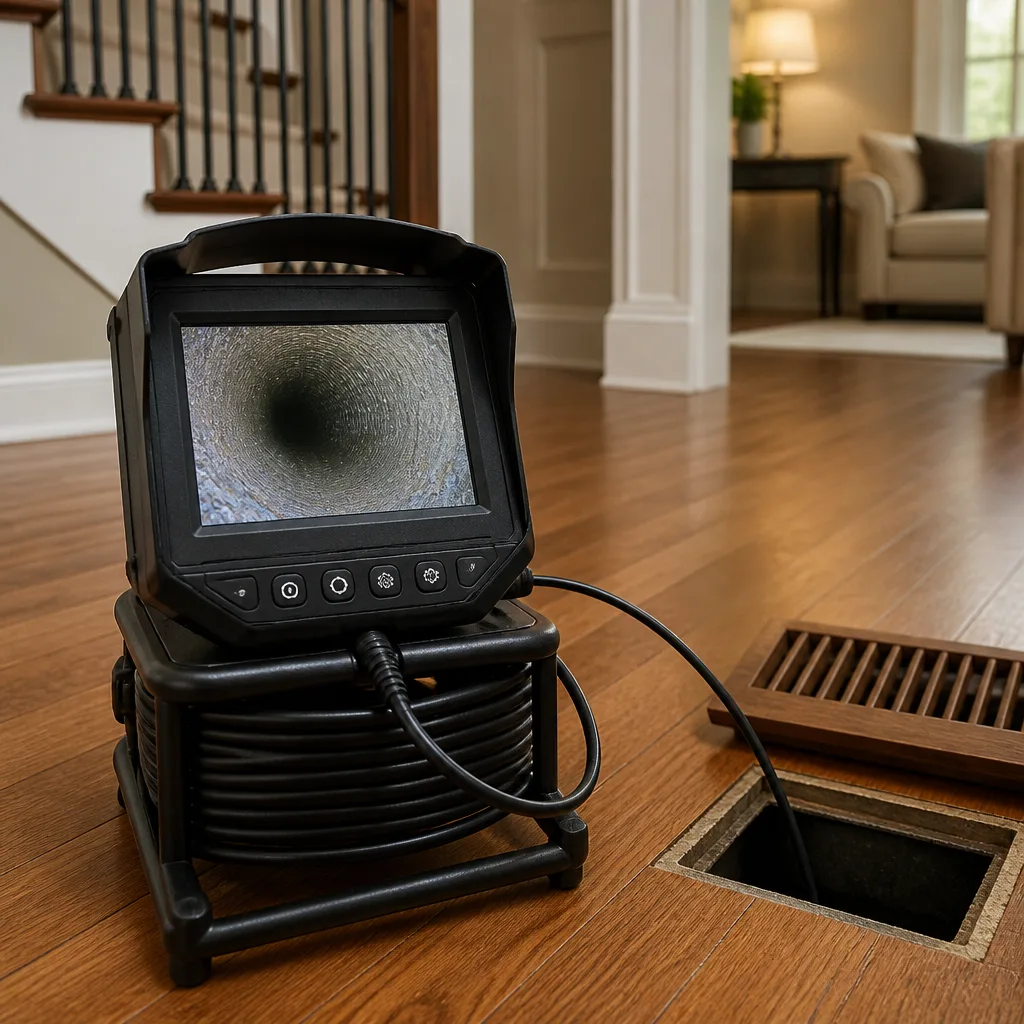 Camera inspection
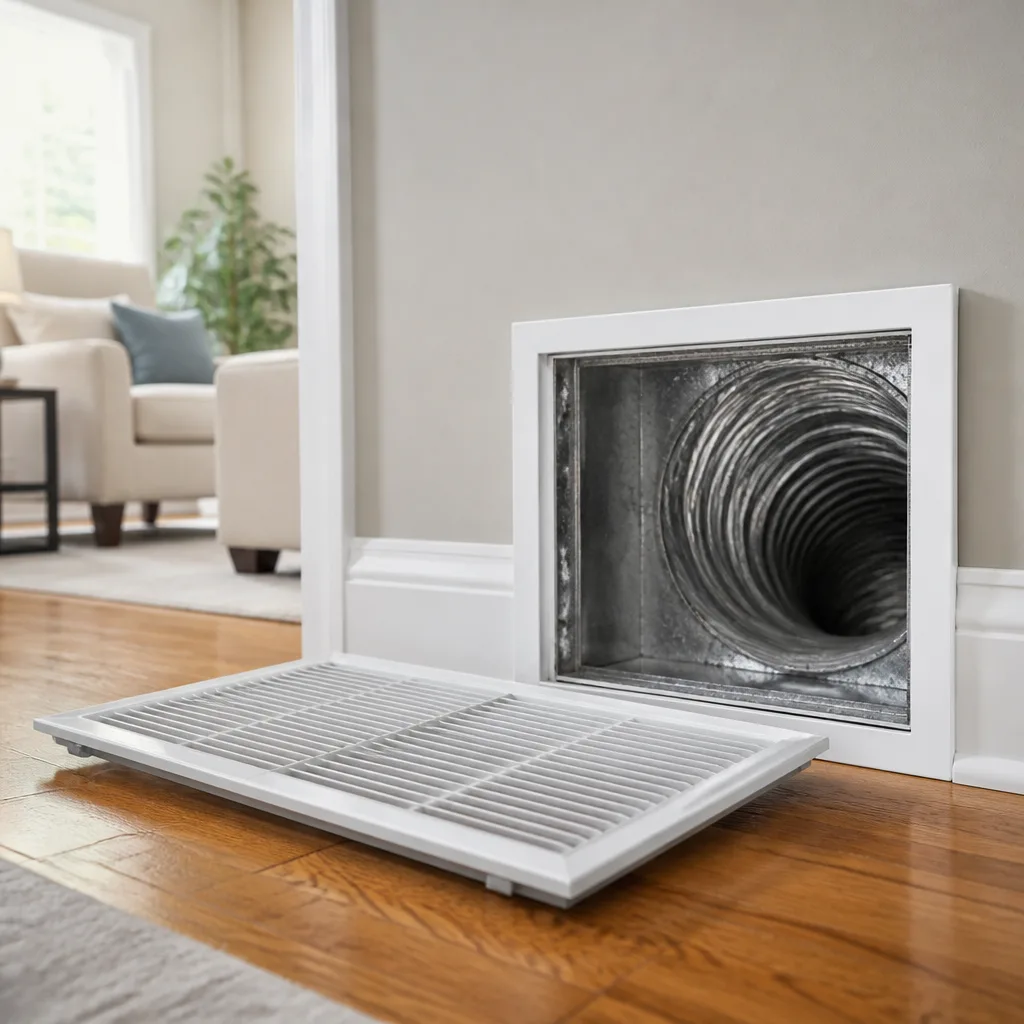 Sanitizing & deodorizing
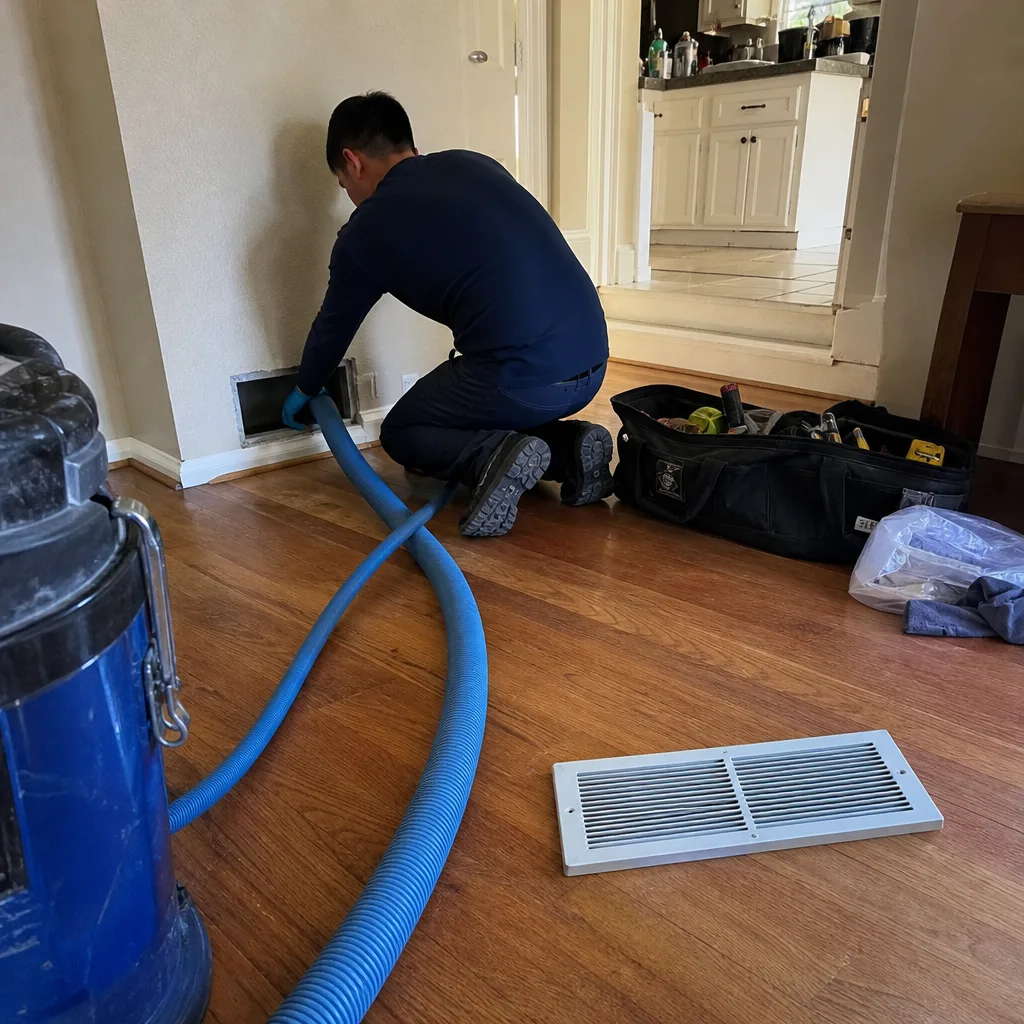
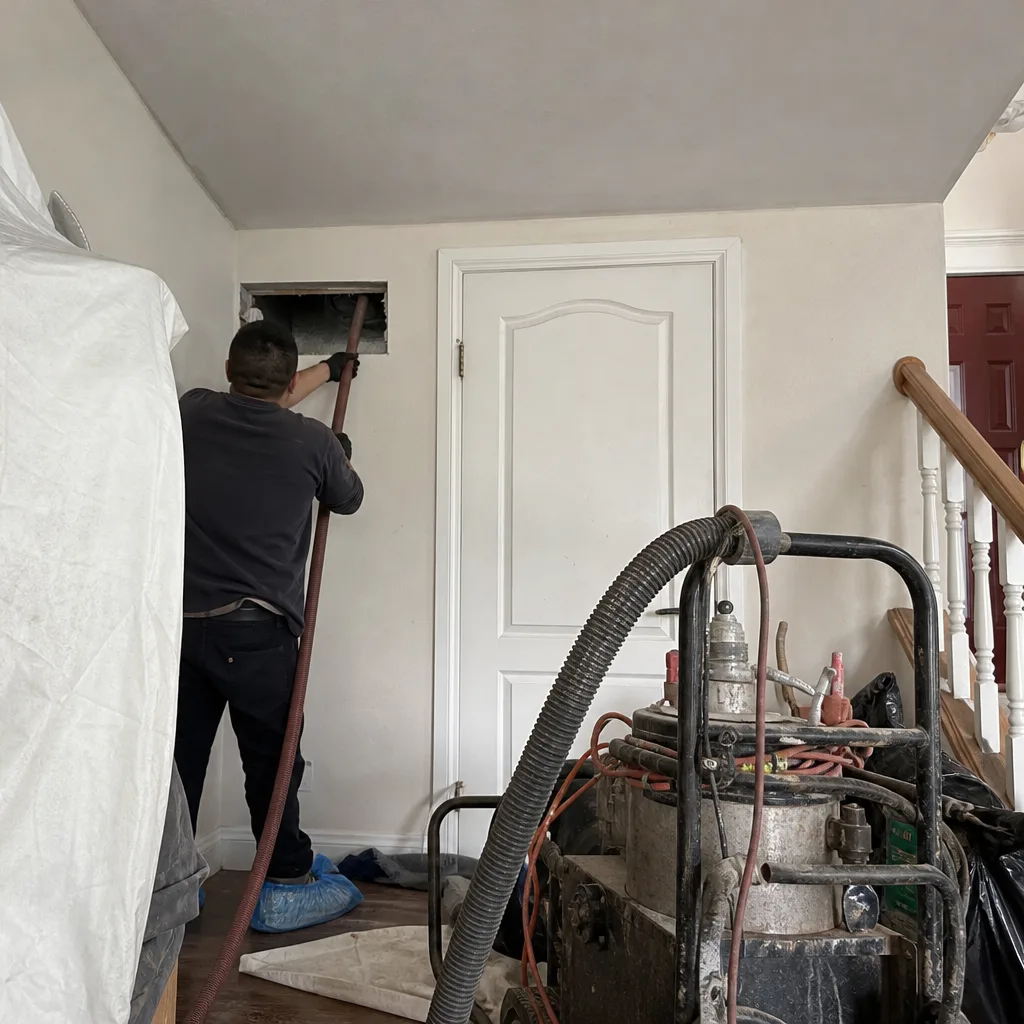
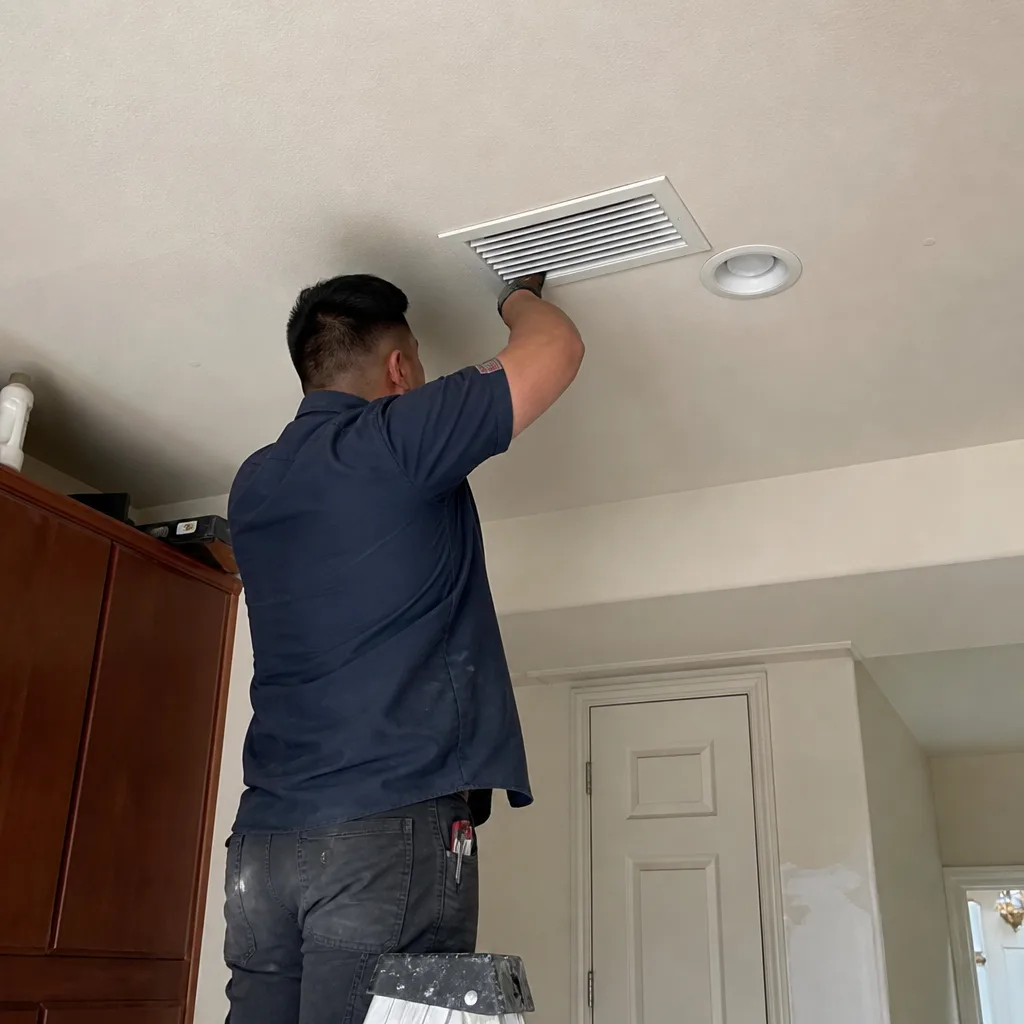
Whole-system duct and dryer vent check with before-and-after photos - you see exactly what came out of your vents
That "$99 whole-house special" is a bait ad - the real number appears once they are in your hallway, or the "clean" is a shop-vac at the register. We photograph the inside of your ducts before and after instead.
Air Duct Cleaning Emergency Preparedness Guide for Sunnyvale Homes
Sunnyvale sits in a strange meteorological pocket. When wildfire smoke drifts into the Santa Clara Valley, it doesn’t always blow through the way it does in the East Bay hills or up the Peninsula. It settles. The valley’s inversion layer traps fine particulates against the foothills, and your HVAC system, if you run it on the wrong settings, becomes a distribution network for everything drifting down from the Santa Cruz Mountains or the Diablo Range. One hour of recirculated air through a standard fiberglass filter during a heavy smoke day can embed enough PM2.5 into duct liner and coil surfaces to degrade indoor air for weeks afterward. This guide is about preventing that, preparing for it, and knowing what to do afterward. It’s written from the perspective of a Duct Cleaning Sunnyvale home specialist, for homeowners who want a protocol, not a pamphlet.
Styles & brands we work with
- Whole-home duct cleaning
- Dryer vent cleaning
- Camera inspection
- Sanitizing & deodorizing
Quick Answer
Air duct cleaning emergency preparedness in Sunnyvale means having a MERV-13 filter installed before wildfire season, knowing exactly what to do with your HVAC during a smoke event and an earthquake, and having a restart protocol for after PG&E Public Safety Power Shutoffs. The short version: upgrade your filter now, photograph your registers now, and keep your system off until outdoor AQI drops below 100 unless you’ve installed the right filtration. Here’s the full protocol.
Table of Contents
- Sunnyvale’s Wildfire Season: Why Your Ducts Are a Vector, Not a Filter
- The Pre-Event Protocol: What to Do Before Smoke Arrives
- How to Operate Your HVAC During an Active Smoke Event
- Post-Wildfire Assessment: When to Resume Normal Operation
- Earthquake Preparedness for Duct Systems
- PSPS Restart Protocol: Bringing a Cold System Back Online
- Documenting Your Duct Condition: The Insurance-Ready Baseline
- Common Mistakes to Avoid
- When to Call a Professional
- Frequently Asked Questions
- The Bottom Line
Sunnyvale’s Wildfire Season: Why Your Ducts Are a Vector, Not a Filter
Most Sunnyvale homes have return ducts pulling air from living spaces and supply ducts pushing conditioned air back out. Neither was designed to filter anything. Your furnace filter is the only particulate barrier in the system, and on a standard 1-inch fiberglass filter, it’s rated to protect the equipment, not your lungs. When the AQI in Sunnyvale climbs past 150 during a fire event in the hills above Cupertino or along the 280 corridor, the air your return ducts pull in carries particles between 0.3 and 2.5 microns. Those particles don’t just pass through. They deposit on the static-charged surfaces inside the ductwork, on the blower wheel, on the evaporator coil, and inside the flex-duct liner in homes built across Sunnyvale’s post-war neighborhoods like Cherry Chase and Serra Park.
The problem compounds on a physics level. Duct interiors are rarely smooth. Flex duct has spiral ridges. Sheet metal has seams and drive cleats. These irregularities create micro-turbulence zones where particulates slow down and settle. Once settled, they don’t stay put on their own. Every HVAC cycle that follows sends air across those deposits at 800 to 1,200 cubic feet per minute, re-entraining particles and delivering them back into the rooms where you sleep. A single heavy smoke day can deposit enough material to measurably degrade your indoor air for three to eight weeks, depending on system runtime and ambient humidity.
Sunnyvale’s climate works against you here. Our summer highs regularly push into the mid-80s and beyond, which means systems are running more hours during exactly the same months when wildfire risk is highest. More runtime means more particle loading. Homes near Moffett Park and the industrial corridor around Kifer Road have an additional particulate baseline from the commercial traffic and data-center cooling infrastructure that operates around the clock.
What we’ve seen in our Air Duct Cleaning in Sunnyvale work is that homeowners who think about their ducts only after a smoke event are already in a reactionary position. The ones who prepare are the ones whose systems handle the next event without becoming a problem.
The Pre-Event Protocol: What to Do Before Smoke Arrives
Wildfire season in Northern California used to run August through October. That window has expanded. The LNU Lightning Complex in 2020 sent smoke into Sunnyvale for weeks. The SCU Complex did the same. Today, you should assume smoke can arrive anytime between June and November, and occasionally earlier given drought patterns in the hills above the South Bay.
Here’s the pre-event protocol with a hard target of completing these steps before the first red-flag warning of the season:
- Upgrade your return-air filtration. If you’re still running a 1-inch MERV-8 filter, you’re filtering pollen and not much else. For wildfire smoke, you need MERV-13 or better in the return path. Check your filter slot dimensions before buying. A 4-inch MERV-13 filter in a properly sized media cabinet works better than a 1-inch MERV-13 because of reduced pressure drop. Honeywell makes 1-inch and 4-inch MERV-13 options that fit most standard residential cabinets. Aprilaire produces whole-house media air cleaners that slot into the return plenum and handle MERV-16 with minimal airflow restriction. If your system wasn’t designed for high-MERV filtration, have someone who understands static pressure verify the upgrade won’t choke airflow.
- Confirm your outdoor air damper is closed. Many Sunnyvale homes built since 2008 have economizer-style fresh-air intakes or HRV/ERV systems. If your unit has a fresh-air damper tied to an outdoor vent, even partially, close it and leave it closed during smoke season until the air clears. This is a manual step on most residential equipment. Honeywell does not close your fresh-air damper automatically because the system reads temperature, not particulate load.
- Document your baseline. Take photos of your registers, inside your filter slot, and any accessible duct sections in attics or crawl spaces. Note the date. Run your system for 10 minutes and then use an inexpensive particle counter (a Dylos or PurpleAir indoor sensor works) to log your indoor PM2.5 level on a normal day. This baseline record is what you’ll compare against after any event to decide whether professional duct cleaning in Sunnyvale is warranted.
- Stock replacement filters. During a sustained smoke event, a MERV-13 filter can load in days, not months. Keep at least two spare filters, and replace them per the wattage-draw factor, not just visual inspection. A loaded filter increases blower motor amp draw and reduces airflow, which can trigger coil freeze-up in some systems.
Doing this in June, not August, matters because by the time the first smoke plume drifts into the valley, the entire South Bay is buying the same filters from the same three supply houses. You want to be the person who already has the filter in place, not the person standing in line while PM2.5 settles into the system.
How to Operate Your HVAC During an Active Smoke Event
When AQI in Sunnyvale crosses 100 and climbs, the question we get most often is whether to run the system or shut it down. The answer depends on your filter setup.
If you have a MERV-13 or better filter installed and sealed properly: Running the system in fan-on mode (continuous circulation, not just cooling-triggered) is usually the right call. Your system becomes an active air cleaner, pulling room air through the filter and scrubbing particulates. Set the fan to ON. This uses more electricity and loads the filter faster, but it keeps indoor air measurably cleaner than shutting the system off entirely. If you have a Honeywell or Aprilaire whole-house media system, this is the scenario it was designed for. The filter is capturing a significant fraction of the smoke particulates that enter the return path.
If you have a standard 1-inch MERV-8 or fiberglass filter: You have a choice between two bad options. Running the system pushes smoke through a filter that is not capturing PM2.5 in any meaningful way, embedding it in the ducts. Leaving the system off preserves the ducts but allows indoor air to degrade with outdoor levels, especially in older Sunnyvale homes with leaky envelopes. The better move is a third option: shut the system off and run a standalone HEPA air purifier in the rooms you occupy until you can upgrade the HVAC filter. Nikro equipment is what we use for professional remediation-level extraction, but in a resident’s home during an active event, a quality portable HEPA unit is the immediate mitigation.
Never run your system on “fresh air” or “vent” mode during an active smoke event. That setting opens the outdoor damper and pulls raw exterior air into the return. It’s the equivalent of opening a window into the smoke and pointing it at your blower motor. Close the damper. If your thermostat has a “recirculate” mode, use it. If not, setting the unit to cool with the damper manually closed achieves the same outcome.
During the 2020 fire season, Sunnyvale homes with MERV-13 or better filters and fan-on protocols maintained indoor PM2.5 levels that were 60 to 80 percent lower than neighboring properties running standard filters. The difference is not subtle. It’s the difference between living with an indoor AQI in the 20s versus the 80s.
Post-Wildfire Assessment: When to Resume Normal Operation
When the outdoor AQI drops below 100 and holds for 24 hours, most homeowners assume they can go back to normal. That’s premature. Here’s the post-event assessment checklist before you resume routine HVAC operation:
- Inspect the filter. Pull the filter and hold it against light. If it’s visibly darkened with particulate or if you can’t see light through the media in more than 50 percent of the surface, replace it. This is true even if the filter is only a few weeks old. Smoke loading is different from dust loading. A smoke-saturated filter must go in the trash, not in the garage for later.
- Do an odor test. Turn the system on with the fan only, no cooling, for 10 minutes. Stand at each register and smell the air. If you detect the scent of smoke or campfire coming from the supply registers, that’s not outdoor residual. That’s particulate that has deposited inside the ductwork and is being re-emitted. Smoke odor from registers after the outdoor air has cleared is a strong indicator that professional duct cleaning is warranted.
- Compare your indoor particle reading to baseline. This is why the pre-event documentation matters. Run your system for 30 minutes and compare indoor PM2.5 to your pre-event baseline. If you’re reading 15 micrograms per cubic meter or higher above baseline with the outdoor AQI below 50, your ducts are the likely source of the difference.
- Look at the registers. Remove a supply register in a room you use daily. Use a flashlight to look into the register boot. If you see gray or black streaking on the boot walls or a fine black dust film, the event loaded the system. The register boot is the shallowest part of the ductwork; if it’s dirty, the rest of the system is dirtier.
Our general threshold in Sunnyvale is this: if the smoke event lasted more than 72 hours at an AQI above 150, and any of the four checks above come back positive, a professional post-smoke duct cleaning is the right call. Filter replacement alone does not remove particulate that has already deposited inside the duct walls. We clean post-smoke systems with Nikro HEPA-rated negative air equipment, the same standard used in remediation projects, because consumer-grade shop-vac approaches do not have the filtration efficiency to capture PM2.5. Professional air duct cleaning in Sunnyvale should include agitation of the duct walls and extraction under continuous negative pressure.
Earthquake Preparedness for Duct Systems
Sunnyvale sits just a few miles from the San Andreas Fault and within the shaking radius of the Hayward Fault. The 1989 Loma Prieta earthquake produced substantial damage throughout the South Bay, and while ductwork failure does not get the same attention as foundation cracks, it’s a real and under-reported consequence.
Seismic movement affects duct systems in specific, predictable ways. Rigid sheet-metal duct has slip joints that rely on friction and mechanical fasteners. Flex duct has inner liners, insulation, and outer jackets held at each end with plastic or metal clamps. During lateral shaking, flex duct connections at register boots and plenum takeoffs are the first to fail. The clamp loosens or the liner pulls away from the collar, and the duct detaches. In a crawl space or attic, this may go unnoticed for months. The system continues to run, pulling unconditioned attic or crawl space air into the return and pushing conditioned air into unconditioned spaces. The homeowner pays for lost efficiency and breathes whatever is in the attic.
After any earthquake strong enough to knock items off shelves (generally M4.0 or stronger within 20 miles of Sunnyvale), run this visual inspection:
- Access the attic or crawl space where the ductwork runs. Bring a headlamp, not a phone flashlight. Ducts in Sunnyvale homes typically run through attics (many post-1970 builds) or raised-floor crawl spaces (many pre-1970 builds, particularly in the Washington Park and Birdland neighborhoods).
- Look for disconnected flex duct at boots and plenum collars. A detached duct is obvious: the outer jacket will be dangling loose from the takeoff. Check every visible connection point. Don’t assume that a duct still visually attached is still sealed; shake compression. A loose clamp on an intact-looking connection will leak.
- Look for compression and kinking. Flex duct must maintain its round profile. If the inner liner is compressed flat or folded, airflow is restricted. This can happen when support straps fail during shaking and the duct hangs from a single remaining hanger.
- Inspect the supply and return plenums at the unit. The plenum is the sheet-metal box where the ductwork attaches to the air handler. Seismic movement can pull the plenum away from the furnace or coil cabinet, opening a gap that pulls raw attic air directly into the system.
If you find any disconnect, gap, or visible kink, do not run the system until it’s repaired. Running with a supply-side disconnect pushes conditioned air into an unconditioned space at a significant energy cost. Running with a return-side disconnect pulls unfiltered fiberglass insulation and rodent droppings into the airstream and deposits them throughout the home. This is the exact continuity problem that Air Duct Repair in Sunnyvale is designed to address. A proper repair includes not just reattaching the duct but verifying seal integrity at all joints with a duct-leakage test.
PSPS Restart Protocol: Bringing a Cold System Back Online
PG&E Public Safety Power Shutoffs have become a recurring part of life in the South Bay foothills, and while Sunnyvale’s flat residential neighborhoods are less frequently shut off than the hills above Saratoga or Los Altos Hills, PSPS events have affected portions of Sunnyvale in recent years during high-risk fire weather.
When a home sits without HVAC operation for 48 to 72 hours, a lot happens inside the ductwork. Dust, pet dander, and settled smoke particulate inside the ducts begin to dry out and loosen as ambient temperature swings. The materials on interior duct surfaces expand and contract. When power returns and the system restarts, the first few minutes of airflow are essentially a dust removal event. Everything that settled during the shutdown is re-entrained and delivered to the living spaces.
Here’s the simple pre-run step that mitigates this:
Run the system on fan-only for 15 minutes before introducing heating or cooling. Set the thermostat to fan ON, leave the temperature setpoint where the system won’t call for heating or cooling, and let the blower run without the coil or heat exchanger in operation. This gently moves air through the system and across the filter without the full airflow velocity of a conditioning cycle. The lower velocity reduces re-entrainment of larger settled debris and lets the filter capture a meaningful portion before the full-power run.
If your system has been offline for more than five days, or if the power shutoff season overlapped with a wildfire smoke event, the restart protocol should be followed by a visual filter inspection after the first hour of operation. A filter that looks clean before a cold restart can load quickly as the system purges settled material. Have a spare on hand.
In our experience, systems that are properly cleaned and maintained before a PSPS event restart cleanly. Systems that have accumulated years of uncleaned duct debris restart dirty. The restart does not create the debris. It reveals it.
Documenting Your Duct Condition: The Insurance-Ready Baseline
The single most useful thing you can do before any emergency is to create a documented baseline of your duct system’s condition. This record matters for insurance claims, for contractor assessments, and for making objective decisions about whether post-event cleaning is needed.
What to record:
- Photographs of all visible supply registers and return grilles, with the register covers removed, showing the condition of the visible boot
- Photographs of any accessible duct sections, especially flex-duct connections at boot collars and plenum takeoffs
- A note of your filter type and MERV rating, the date installed, and the date of last replacement
- Indoor PM2.5 baseline reading on a normal-air-quality day, with the outdoor AQI noted alongside
- Any existing damage: kinked flex, disconnected boots, visible gaps at the plenum
Store these in a folder that will survive a house fire or evacuation. Cloud storage works. Email them to yourself. The record proves not just that the ducts were in a known condition before an event, but that any post-event contamination is attributable to the event itself rather than pre-existing neglect. That distinction matters when an insurance adjuster is reviewing a post-wildfire claim.
This baseline process is part of what thorough air duct cleaning in Sunnyvale professionals do on every visit, and it’s the same discipline we recommend homeowners adopt. You cannot manage what you haven’t documented.
Common Mistakes to Avoid
- Running the system on “vent” mode during a smoke event. This opens the outdoor damper and pulls raw smoke directly into the return plenum. It’s the fastest way to contaminate duct interiors in a single afternoon.
- Waiting until the AQI is 200 to buy a filter. Every home improvement store in the South Bay sells out of MERV-13 filters within 24 hours of a major smoke event. Buy spares in June, not in August when the smoke is already visible over the foothills.
- Assuming the smoke smell is only in the air. Smoke odor from supply registers after the outdoor air clears indicates settled particulate inside the ductwork. Opening windows won’t fix it. It needs extraction.
- Neglecting the post-earthquake duct check. A loose flex-duct connection in an attic or crawl space costs real money every month in wasted conditioned air. In a Sunnyvale summer, that’s the difference between a utility bill in the $200s and one in the $400s.
- Using a standard fiberglass filter and assuming the system is protecting the home. A fiberglass filter is designed to protect the blower motor from large debris, not to clean your air. It is not a smoke-control device.
- Ignoring the dryer vent during wildFIRE season. Lint accumulation in dryer vents is a year-round fire hazard, but the urgency increases during fire season when first-response resources are already stretched. A clogged Dryer Vent Cleaning in Sunnyvale is a preventable ignition source in the middle of already dangerous conditions.
When to Call a Professional
Some duct conditions you can see and judge yourself. Others need professional assessment. Call for professional help if you detect smoke odor at supply registers more than 72 hours after outdoor air has cleared; if post-earthquake inspection reveals disconnected flex duct, a separated plenum, or visible kinks; if a PSPS restart triggers a visible dust cloud from supply registers; or if a smoke event lasted longer than three days with AQI above 150 and your post-event particle readings are elevated over baseline. Duct Cleaning Sunnyvale offers free estimates in Sunnyvale; call (866) 593-7291 to schedule an assessment.
Frequently Asked Questions
Professional air duct cleaning in Sunnyvale typically runs between $400 and $800 for a standard single-family home, depending on the number of systems, accessibility, and the level of contamination. Post-wildfire cleaning that requires HEPA-level extraction and sanitization falls at the higher end. An honest quote is based on the system, not a per-vent teaser price that will be inflated later. Call (866) 593-7291 for an exact quote for your home.
Ask for before-and-after photographs of the duct interior, specifically the register boots and the main trunk line, taken with an inspection camera. Professional-grade equipment using Nikro HEPA-rated extraction leaves visibly clean duct surfaces. If a company cannot show you photos of the interior of your own ducts, that’s a failure of proof. Our team documents every job with inspection-camera stills so you can verify results without taking our word for it.
For most Sunnyvale homes, professional duct cleaning is warranted every three to five years under normal conditions. Homes with pets, smokers, recent remodeling, or a wildfire smoke event within that window may need cleaning sooner. The single biggest variable is wildfire exposure; a single heavy smoke season can compress that interval to one year.
A standard 1-inch fiberglass or MERV-8 filter is not designed to capture the PM2.5 fraction that makes up wildfire smoke. MERV-13 or higher is the minimum threshold for meaningful smoke-particle capture. Whole-house filtration systems from Honeywell and Aprilaire are designed to handle this burden with manageable airflow resistance.
Set your thermostat to fan ON if power is restored but you are not yet comfortable running heating or cooling. This allows a 15-minute gentle purge before you introduce full-temperature conditioning. If the system has been off for more than five days, check the filter after the first hour of operation; it may be loaded with settled debris that was re-entrained.
Yes. Flex-duct clamps at register boots and plenum collars are vulnerable to lateral shaking even at moderate magnitudes. A disconnected duct in a crawl space or attic can go unnoticed for months while the system runs and money escapes into unconditioned space. After any noticeable quake, a visual inspection of accessible duct connections is the minimum responsible step. If you find damage, air duct repair in Sunnyvale can restore the system before you lose another cooling season.
The Bottom Line
Your duct system is either a liability or an asset when a Sunnyvale emergency arrives. The difference is decided weeks beforehand. A MERV-13 filter, a closed outdoor damper, a documented baseline, and a known system-status protocol turn your HVAC into an active response tool during a wildfire event instead of a distribution network for smoke. A post-earthquake visual check and a PSPS restart sequence keep a damaged or debris-loaded system from making a bad situation worse. None of this is complicated. It’s just discipline. And Duct Cleaning Sunnyvale home professionals are here if the ducts need more than a homeowner’s-eye check: (866) 593-7291.
Written by the team at Duct Cleaning Sunnyvale, serving Sunnyvale since 2015.
See the difference
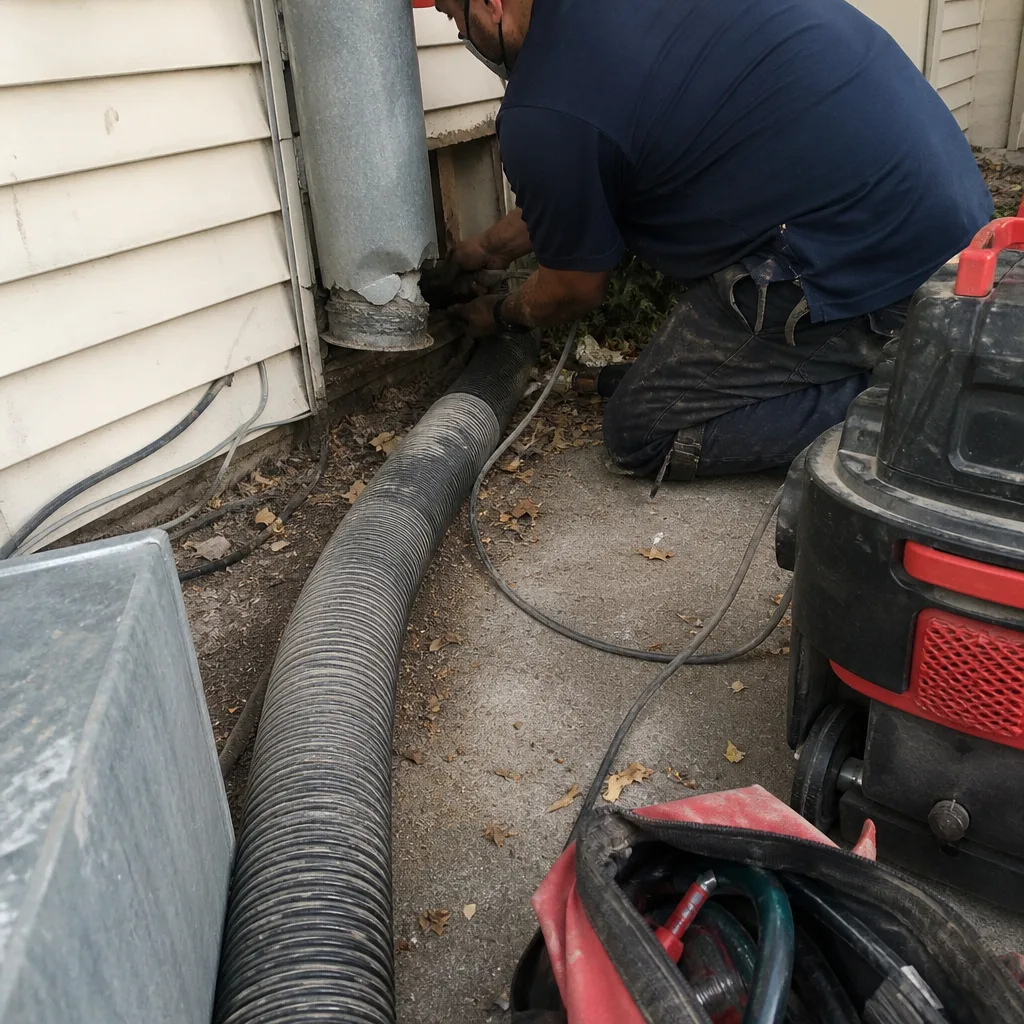 Before
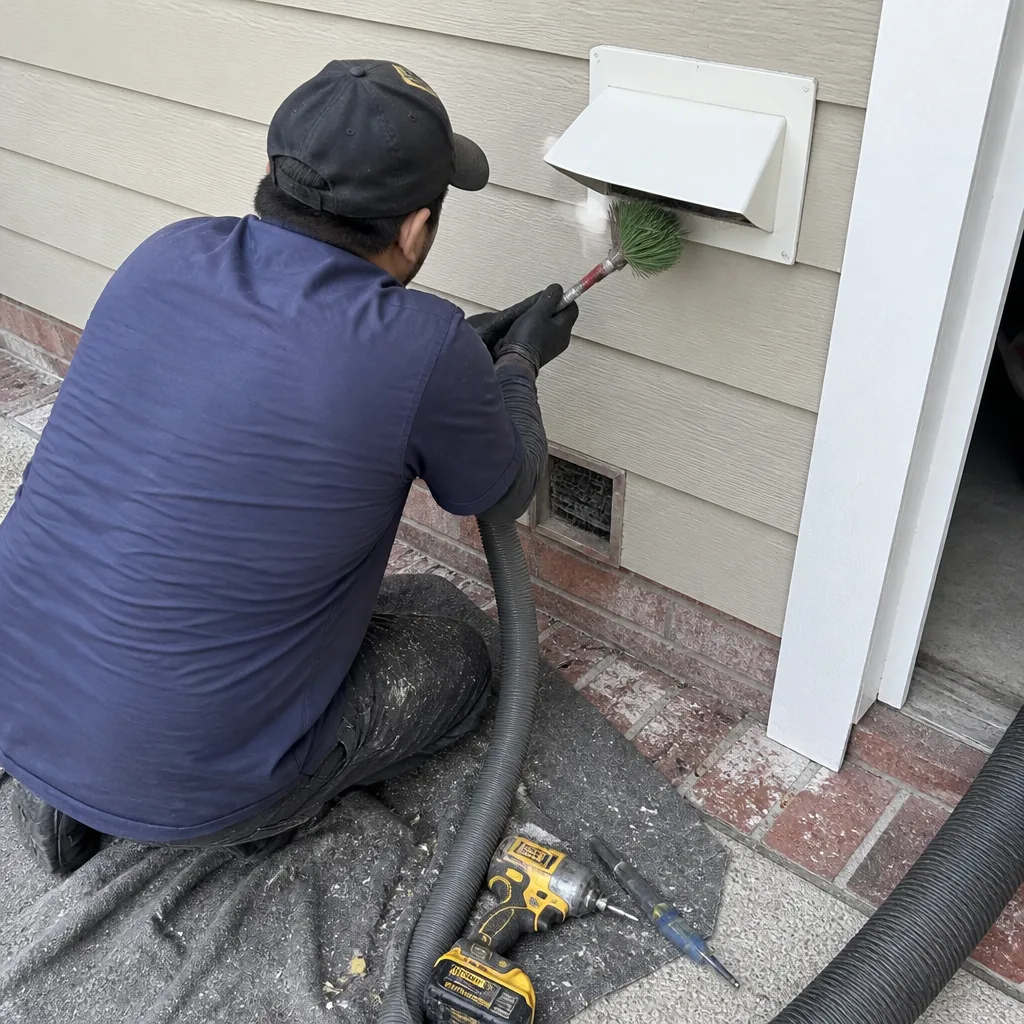 After
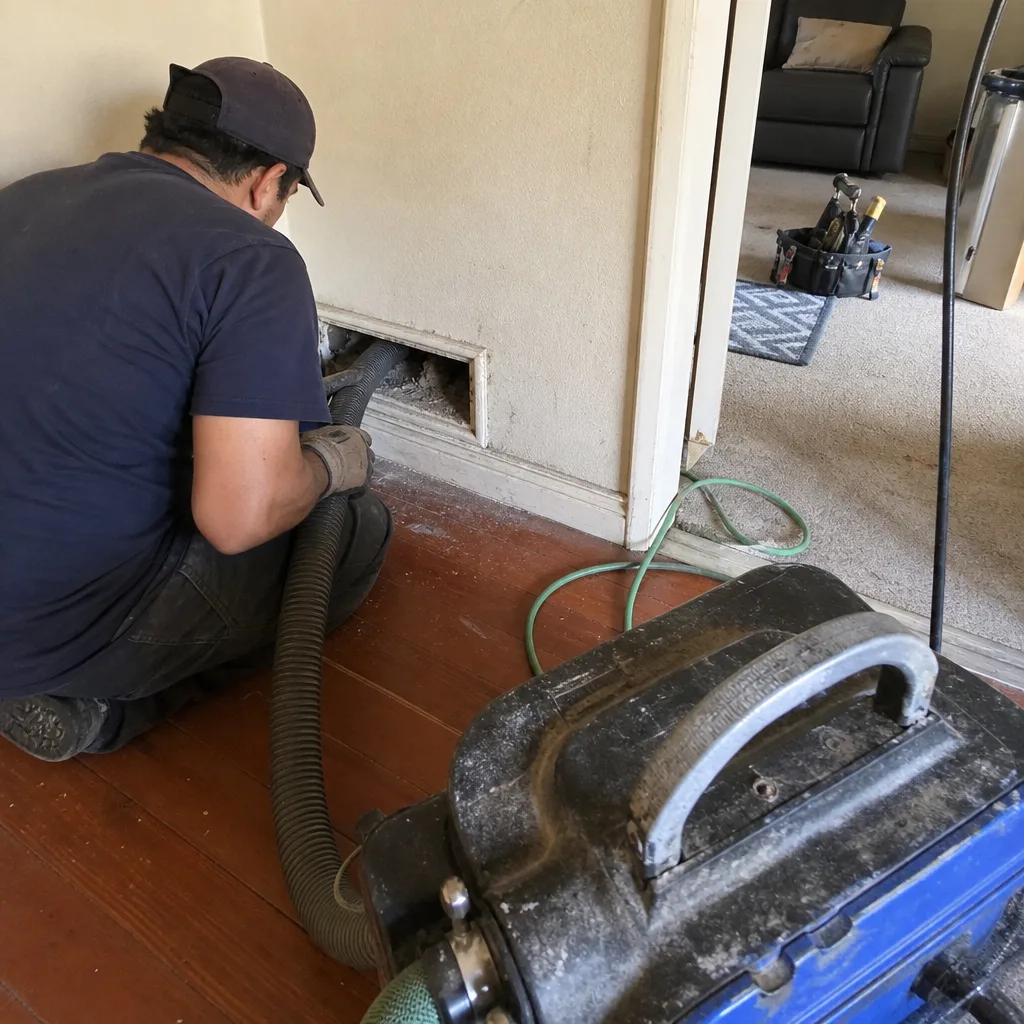 Before
 After
 Before
 After