
Last updated November 2, 2026
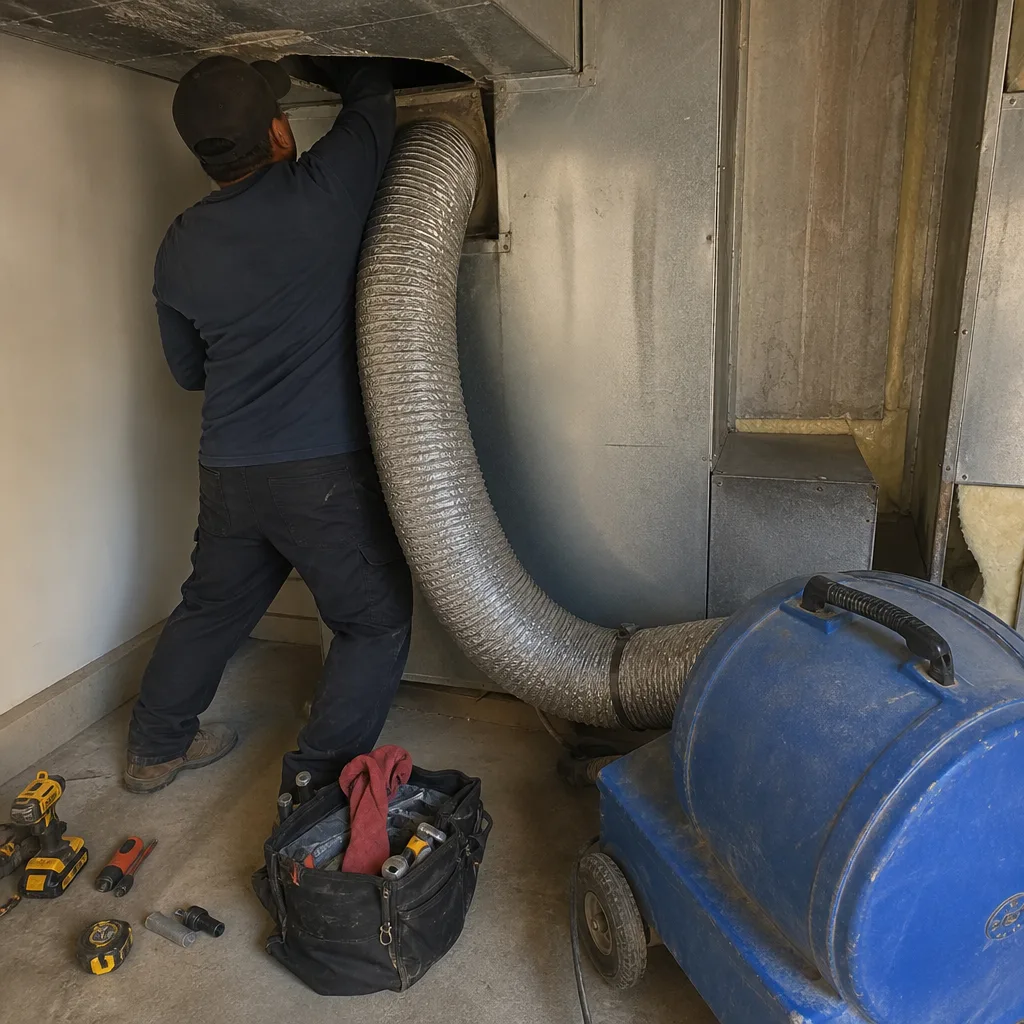
 Whole-home duct cleaning
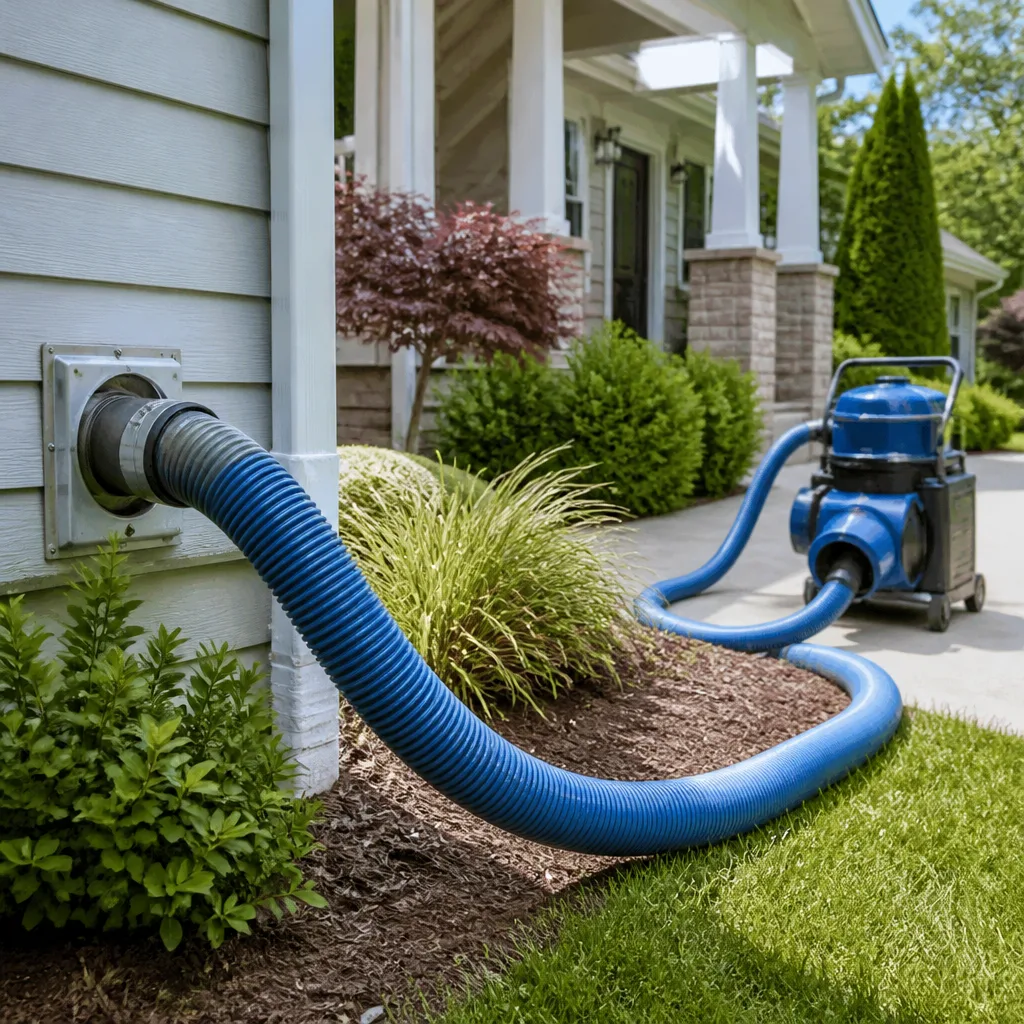
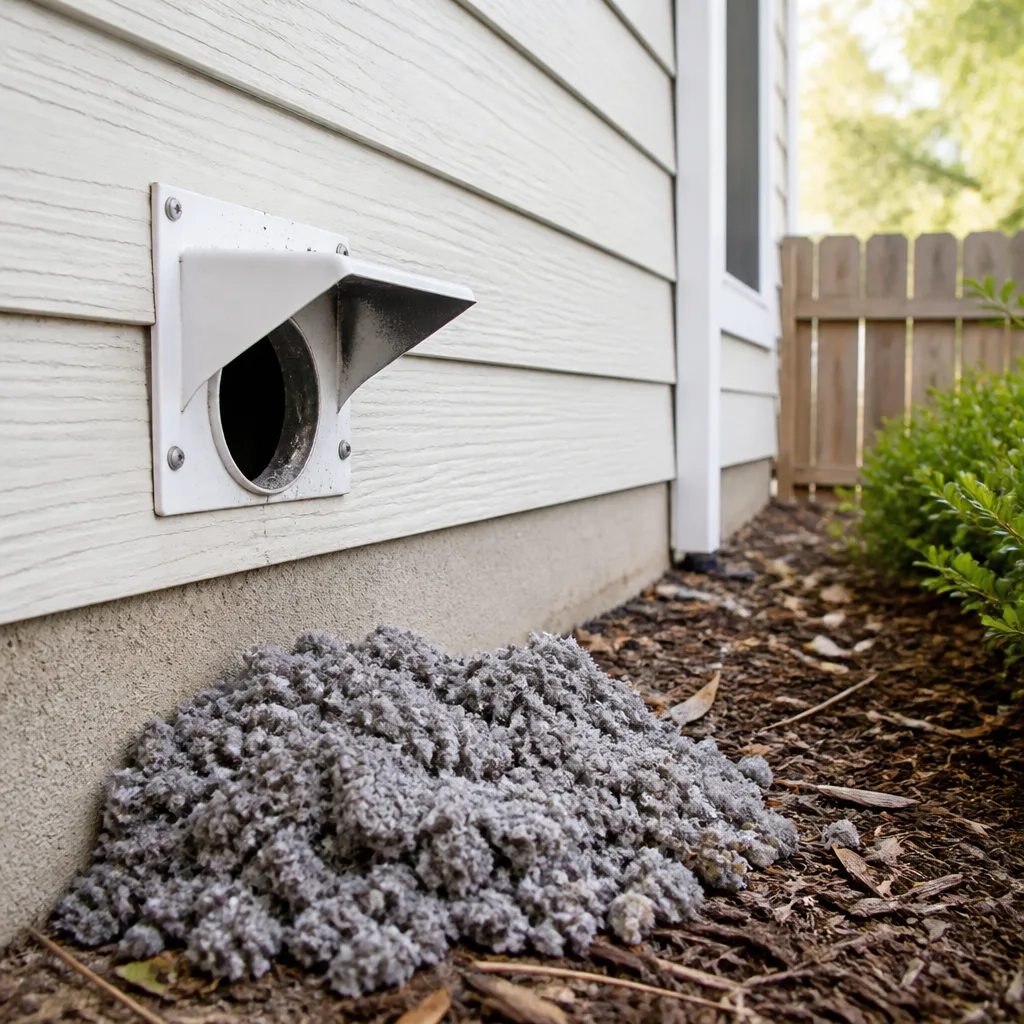 Dryer vent cleaning
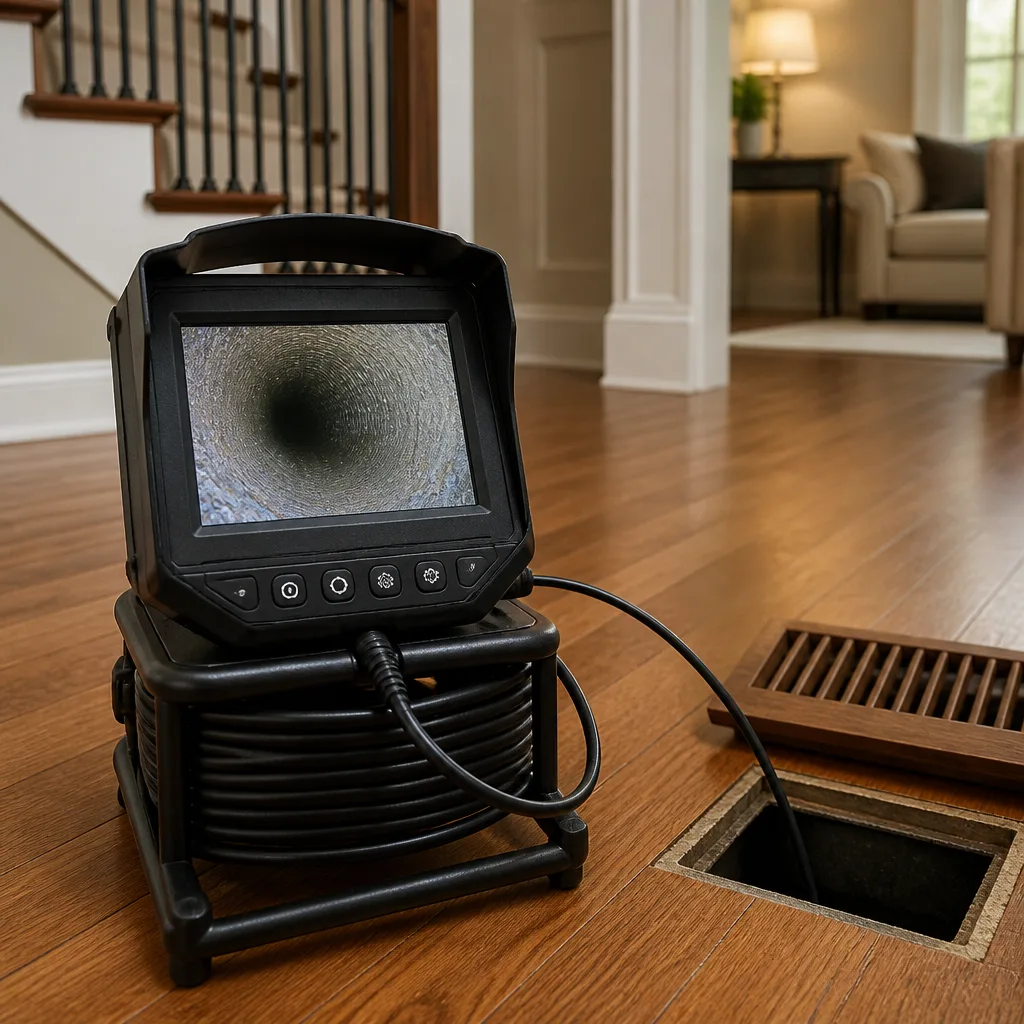 Camera inspection
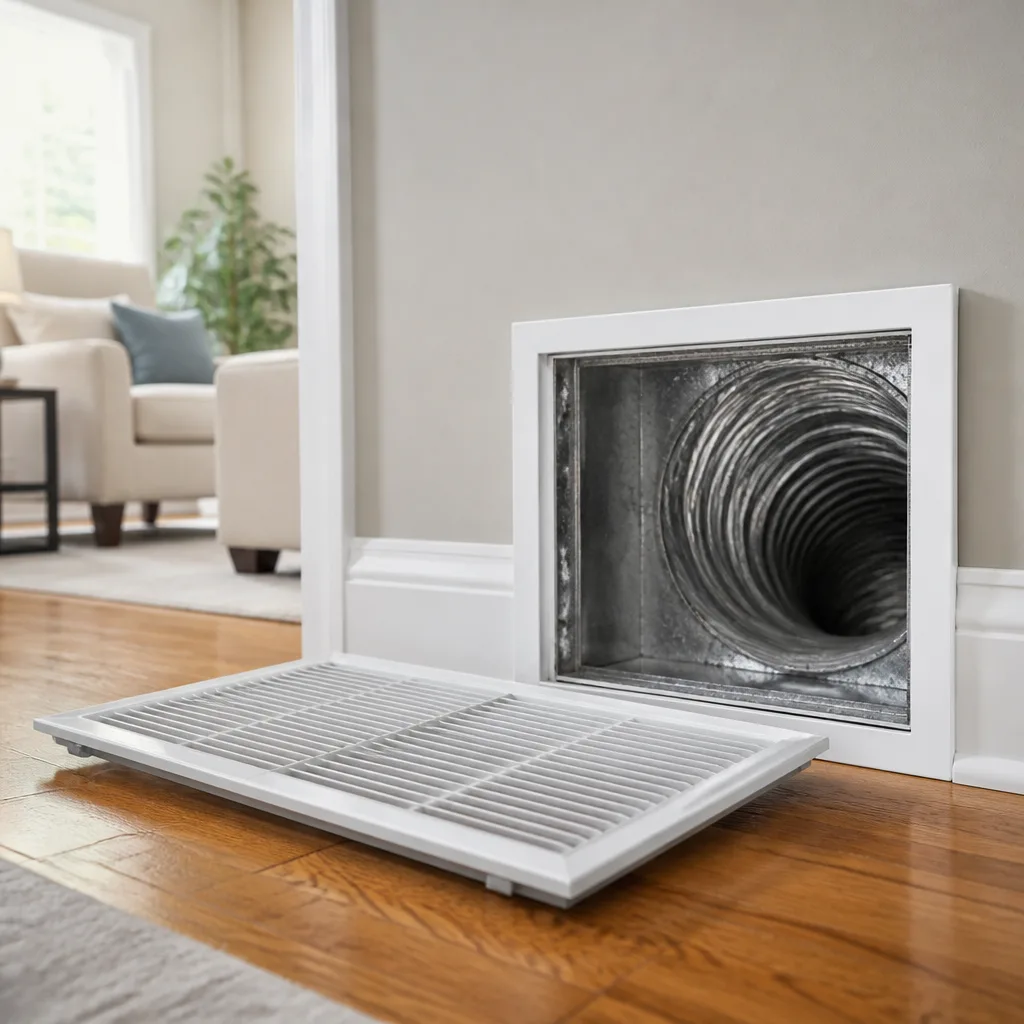 Sanitizing & deodorizing
Whole-system duct and dryer vent check with before-and-after photos - you see exactly what came out of your vents
That "$99 whole-house special" is a bait ad - the real number appears once they are in your hallway, or the "clean" is a shop-vac at the register. We photograph the inside of your ducts before and after instead.
Air Duct Cleaning Permits, Codes & Inspections in CA: What You Need to Know
Here’s a fact most homeowners don’t learn until closing day: a simple duct cleaning in Sunnyvale requires no permit whatsoever, but swapping out a 6-foot section of damaged flex duct can, in certain circumstances, trigger California Energy Code compliance that the majority of handyman services quietly ignore. The division between maintenance and modification is where unpermitted work hides, and it rarely surfaces until a home inspector flags it during escrow. This guide maps exactly where that line sits under California Mechanical Code, Title 24, and Santa Clara County enforcement practice, so you’ll know what documentation to demand before and after any work inside your duct system. For more guides & resources, see our blog.
Quick Answer
Air Duct Cleaning services are classified as maintenance in California and require no permit, but once duct sections are replaced, air handler connections are modified, or UV purification systems are hardwired into the system, permit and Title 24 energy compliance obligations begin. For Sunnyvale homeowners, the practical rule is simple: cleaning alone stays permit-free, while any alteration that changes airflow, duct dimensions, or electrical load crosses into regulated territory.
Styles & brands we work with
- Whole-home duct cleaning
- Dryer vent cleaning
- Camera inspection
- Sanitizing & deodorizing
Table of Contents
- Maintenance vs. Alteration: Where California Draws the Line
- Title 24 Duct Leakage Testing: The 15% Rule Explained
- UV Lights, Air Purifiers, and How California Classifies Them
- When Sunnyvale’s Building Department Gets Involved
- Santa Clara County Amendments That Affect Duct Work
- Documentation to Keep for Resale and Home Inspectors
- A Simple Test: Cleaning vs. Altering Your Ducts
- Common Mistakes to Avoid
- When to Call a Professional
- Frequently Asked Questions
Maintenance vs. Alteration: Where California Draws the Line
California Mechanical Code (CMC) Section 104.1 is the governing text, and it states that permits are required for any “erection, installation, alteration, repair, relocation, replacement, addition to, use, or maintenance” of mechanical systems, but the enforcement reality is far more nuanced than the statute reads. Sunnyvale’s building department, like most municipalities across Santa Clara County, treats routine cleaning, inspection, and minor servicing as exempt from the permit requirement. The operative question is whether the work changes the system’s physical configuration or performance characteristics.
Here’s the functional distinction we work from every day:
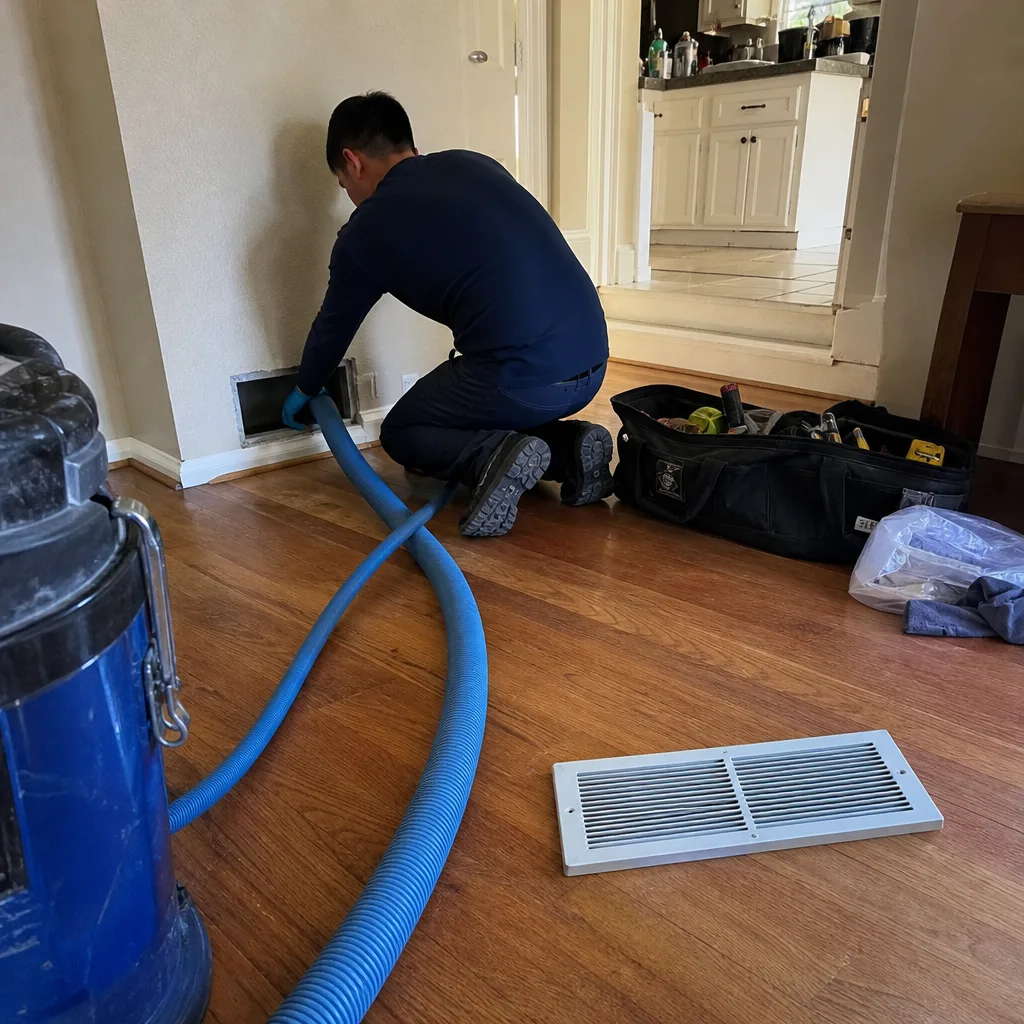
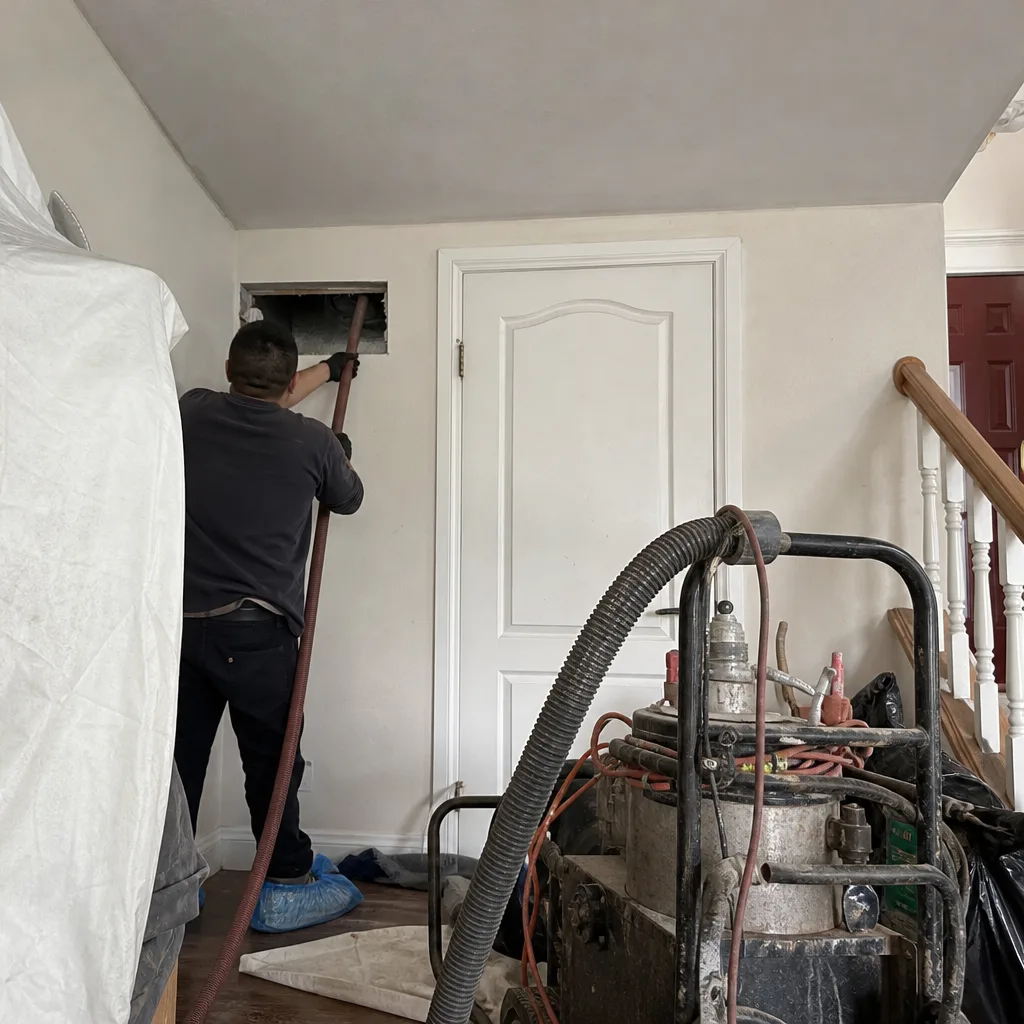
- No permit needed: Brushing and HEPA vacuum extraction of existing ducts, cleaning registers and grilles, replacing a standard air filter, tightening loose duct straps without relocating the run, and cleaning dryer vents.
- Permit territory: Replacing more than a short connector section of duct, resizing a duct run, re-routing ductwork to a new location, modifying the plenum or air handler cabinet, adding a new supply or return branch, and any work that requires disconnecting and reconnecting electrical circuits.
In practice, a homeowner replacing a collapsed 8-foot section of flex duct in a Sunnyvale crawlspace is technically required to pull a mechanical permit, though many don’t, and enforcement is complaint-driven rather than proactive. Learn more in our Air Duct Cleaning Warning Signs: A Sunnyvale Homeowner’s Reference Guide. That doesn’t mean the risk is theoretical: it materializes during home sales, when inspectors trained to spot newer flex duct alongside older systems will ask for the permit record. If none exists, the buyer can demand a retroactive permit and inspection, which means opening walls or ceilings if the duct is concealed. The cost of the permit was never the expensive part; the cost of proving compliance after the fact is where it hurts.
Title 24 Duct Leakage Testing: The 15% Rule Explained
California’s Title 24 Building Energy Efficiency Standards apply to duct systems whenever they are “substantially altered” or when HVAC equipment is replaced, and the rule most homeowners have never heard of involves duct leakage testing. Here’s the plain-language version: when a duct system falls under Title 24 scope, the code requires that measured duct leakage not exceed 15% of the system’s total airflow.
What does 15% actually mean? Air moving through your ducts is measured in cubic feet per minute (CFM). If your air handler moves 1,000 CFM, the ducts can collectively lose up to 150 CFM through leaks at joints, connections, and seams. A system losing more than that fails the test. It’s not a suggestion. It’s a compliance threshold that must be verified by a HERS rater or certified testing professional using a duct blaster and blower door in most cases.
- When it triggers: Replacing the furnace or air conditioner, altering more than 40 linear feet of duct, or relocating the air handler.
- Who tests: A certified HERS rater performs the leakage test and logs results in the CalCERTS or CHEERS registry.
- What happens if it fails: Leaks must be found and sealed, then retested until the system meets the threshold.
- What this has to do with duct cleaning: A cleaning job that discovers deteriorated flex duct, separated joints, or torn outer jackets often leads to repair work. That repair work, if it replaces significant runs, can trigger the leakage testing obligation even though the original cleaning didn’t.
The nuance worth knowing: a simple cleaning and re-sealing of accessible duct joints with mastic does not itself trigger Title 24 testing. For help diagnosing issues, see our Air Duct Cleaning Troubleshooting: Common Problems and How to Fix Them. But when a contractor in Sunnyvale replaces multiple duct sections as part of a repair, that’s an alteration, and if the homeowner replaces HVAC equipment within a few years after, the testing requirement can backdate to include that earlier duct work. Keeping a record of what was cleaned versus what was replaced matters more than most people realize.
UV Lights, Air Purifiers, and How California Classifies Them
UV germicidal irradiation systems installed inside ductwork, along with whole-house electronic air cleaners from manufacturers like Honeywell and Aprilaire, occupy a regulatory gray zone that many contractors prefer to keep vague. California Electrical Code (CEC) Articles 210 and 422 govern the wiring requirements for hardwired equipment, and CMC Section 301 governs the mechanical installation. Here’s the short answer: a plug-in portable air purifier sitting in a bedroom requires no permit. A UV lamp hardwired into the duct system, with a dedicated circuit or tapped power supply, is an electrical alteration that technically requires an electrical permit in Sunnyvale.
The mechanical side matters too. UV systems installed inside the plenum or duct work change the interior components of the air handling system. The manufacturer’s installation instructions must be followed exactly, which includes access panel requirements, lamp placement relative to coil surfaces, and minimum distances from filter media and flex duct interiors. Some UV-C wavelengths degrade flex duct inner liners over time if placed too close, which is a physical reality not a code citation. We’ve seen this in Sunnyvale homes where a poorly placed UV lamp scorched and embrittled the inner wall of a nearby flex duct run within two years.
Abatement Technologies and similar remediation-focused equipment, used for hospital-grade air purification in residential settings, generally installs downstream of the coil and upstream of the supply branches. That installation location matters for code compliance: any modification to the duct system to accommodate the unit, including cutting into sheet metal plenums or adding transition collars, is a mechanical alteration. The permit conversation in California is not about whether UV works; it’s about whether the installation changed the system’s electrical load or physical configuration. If it did, a permit was technically required.
When Sunnyvale’s Building Department Gets Involved
Sunnyvale’s Building Safety Division operates under the 2022 California Building Standards Code, also known as Title 24, with local amendments adopted by Santa Clara County. The department’s practical role in duct work is narrower than most homeowners assume: it provides permits, conducts plan reviews for larger projects, and performs inspections on work under permit. It does not knock on doors to check whether your flex duct was cleaned by a Nikro-equipped professional or a guy with a shop vac.
Here’s the real-world interaction pattern in Sunnyvale:
- Cleaning only: No interaction with the building department. None. The work is between you and the contractor.
- Duct repair, minor: Replacing a short connector or patching a small tear with mastic and tape. Technically an alteration, but the city’s enforcement practice focuses on health and safety violations, not mastic patching. We tell our Air Duct Repair in Sunnyvale clients that small patches are low-risk, but if we replace a full duct run, we’ll discuss permit options with them directly.
- Duct repair, significant: Replacing multiple duct runs, resizing supply branches, adding returns, modifying the plenum. This is where the building department legitimately gets involved. A mechanical permit, submitted by a licensed contractor, covers the work and requires a final inspection.
- UV or electronic air cleaner installation: If the unit is hardwired, an electrical permit is typically piggybacked onto the mechanical permit by the installing contractor.
- HVAC equipment replacement: Full mechanical and electrical permit, plus Title 24 compliance documentation including the duct leakage test result.
In our experience working in Sunnyvale’s housing stock, which skews toward 1960s and 1970s tract homes with original galvanized duct work plus multiple generations of flex duct additions, the most common permit-related issue is not the unauthorized work itself. It’s the surprise that a buyer’s inspector flags duct work installed in the last five to ten years and asks for the paper trail. The paper trail starts with knowing what kind of work was actually performed.
Santa Clara County Amendments That Affect Duct Work
Santa Clara County adopts the California model codes with local amendments, and two areas matter specifically for duct work. First, the county amended CMC to require mechanical permits for all duct replacement where the replacement is not “like for like” in size and material. That means swapping a 10-inch flex duct for a 10-inch flex duct in the same run is considered minor replacement in practice, while changing that run to 12-inch rigid metal duct is an alteration requiring plans. Second, the county strengthened the seismic bracing requirements for suspended duct work installed in crawlspaces, which is directly relevant to Sunnyvale’s single-story ranch homes with raised foundations.
The seismic angle is easy to overlook. California Building Code Section 1613, applied through Santa Clara amendments, requires suspended equipment, including duct runs over a certain weight, to be braced against lateral movement. In Sunnyvale, where a significant percentage of the housing stock predates 1980, original duct work was often hung with plumber’s strap and wire, long since fatigued and loose. When repair work involves re-hanging or re-supporting those runs, the new supports must meet the current bracing standard, not the 1970s standard that was there before. A contractor who simply re-hangs the old strap without upgrading to seismic-compliant supports has done work under a standard the county no longer accepts, even if no one notices until an inspector looks up at the crawlspace during escrow.
The practical takeaway for Sunnyvale homeowners is this: the city’s permit process is accessible, the inspectors are reasonable, and the fees are modest. The problem is never the permit. It’s the discovery of non-permitted work years later at the point of sale, when the negotiating leverage has shifted to the buyer. Duct Cleaning Sunnyvale home resources note this pattern repeatedly, and it’s the single strongest argument we know for doing repair work through legitimate channels the first time.
Documentation to Keep for Resale and Home Inspectors
When a home inspector asks about duct work, they’re not asking whether the ducts were cleaned. They’re asking whether any replacement or installation work was done under permit, and whether the current system matches the energy compliance records on file, if any. Here’s what you should retain from any duct-related work in Sunnyvale, and what each document actually proves:
- Work order or invoice with scope detail: Should specify cleaning versus repair versus replacement. A line item that says “replaced 12 feet of 8-inch flex duct in crawlspace” is documentation gold. A line item that says “duct service” is useless five years later.
- Permit number and final inspection sign-off: For any work that required a permit. Keep a digital copy. The paper will fade; the PDF won’t.
- Title 24 compliance documentation: If equipment replacement occurred, retain the CF-1R, CF-2R, or CF-3R forms and the HERS verification report, especially the duct leakage test result.
- Manufacturer documentation for any installed equipment: UV lamps, electronic air cleaners, HEPA bypass units. Model numbers, installation dates, and installer contact information.
- Before-and-after photos: Particularly of the crawlspace or attic duct runs. In our work at Air Duct Cleaning in Sunnyvale jobs, we photograph accessible duct sections before and after, and those images have settled more than one escrow dispute.
- Any correspondence about code questions: If you wrote to the city, to the contractor, or to a HERS rater about whether something needed a permit, keep the thread.
One more piece of Sunnyvale-specific advice: if your home was built before 1980 and has never had a full duct system audit, a buyer’s inspector will likely recommend one. Having a recent system-level assessment, even if it documents existing issues you choose not to fix, positions you better than having no information at all.
A Simple Test: Cleaning vs. Altering Your Ducts
If you’re standing in your Sunnyvale living room trying to decide whether the work you’re about to authorize needs a permit, run this five-question test:
- Does the work change the path the air travels? If no, continue. If yes, it’s an alteration.
- Does the work change the size or diameter of any duct run? If yes, it’s an alteration.
- Does the work involve adding or removing an outlet, register, or return? If yes, it’s an alteration.
- Does the work involve connecting new electrical wiring or a new circuit? If yes, it’s an alteration under the electrical code.
- Does the work merely remove accumulated debris from existing duct surfaces using brushes and negative-pressure vacuum equipment? If yes, that’s cleaning. No permit required in Sunnyvale or anywhere else in California.
That last question is the distinction between what we do with Rotobrush rotary brush systems and Nikro HEPA vacuum units versus what a repair contractor does with sheet metal and mastic. Both are legitimate. Only one triggers a permit conversation. Knowing the difference before the work starts protects your resale position; finding out after the fact creates leverage for the buyer.
Common Mistakes to Avoid
- Assuming all duct work is created equal. “They worked on my ducts” covers everything from a 45-minute cleaning to a full re-and-re of the supply plenum. Get a scope-of-work description in writing that distinguishes cleaning from alteration.
- Signing off on a repair without asking about permit status. If a contractor replaces duct sections and never mentions a permit, that’s not favor; that’s risk transfer. The liability for unpermitted work settles on the homeowner at resale, not the contractor who drove away.
- Throwing away work orders. The invoice from a duct repair job is the single most valuable document you can retain for resale. Scan it, email it to yourself, store it in two places.
- Installing a UV system with a handyman and no electrical permit. The installation may be flawless, but the missing permit will be flagged by any competent inspector if the system is hardwired.
- Ignoring the distinction between cleaning and duct sealing. Aeroseal and similar duct-sealing technologies are typically installed by licensed contractors and may trigger treatment under California building codes if they substantially modify system performance.
- Assuming Sunnyvale doesn’t care because enforcement is complaint-driven. Complaint-driven enforcement still surfaces during the home sale process, the one time you actually need clean paperwork.
- Failing to ask about the dryer vent as part of any duct assessment. It’s the most common omitted component in Sunnyvale homes, and a clogged vent is a fire safety issue under CMC Section 504 and the International Mechanical Code regardless of permit status. We treat Dryer Vent Cleaning in Sunnyvale as a fire safety service, not a convenience add-on.
When to Call a Professional
Call a professional when you’re uncertain about the distinction between cleaning and alteration, which is most of the time if you’re not in the trade. Specific triggers: you see separated or collapsed flex duct in the crawlspace; your registers have inconsistent airflow from room to room; you’re planning to sell in the next two years and want documentation of system condition; you’ve had a rodent or pest issue in the attic or crawlspace and want the full supply and return system assessed; your energy bills have drifted upward without explanation. Air Duct Repair in Sunnyvale clients often come to us for a cleaning and leave with a documented assessment that identifies problems early enough to address on their timeline, not the buyer’s. Duct Cleaning Sunnyvale offers free estimates in Sunnyvale – call (866) 593-7291.
Frequently Asked Questions
No permit is required for routine air duct cleaning using rotary brush or negative-pressure HEPA vacuum equipment in California, including Sunnyvale. Cleaning is classified as maintenance under the California Mechanical Code, provided the work does not replace, resize, or re-route any duct sections or alter electrical connections. Call (866) 593-7291 for a free estimate on a cleaning that stays squarely on the maintenance side of the line.
Duct repair requires a mechanical permit in Sunnyvale when it’s classified as an alteration: replacing more than a short connector section, resizing a duct run, adding or removing a supply or return, or modifying the plenum or air handler. Simple cleaning and minor patching with mastic and tape does not require a permit. Call (866) 593-7291 to discuss what your specific repair involves and whether a permit is warranted.
Under California’s Title 24 energy code, when HVAC equipment is replaced or duct systems are substantially altered, the duct work must be tested by a certified HERS rater and must demonstrate leakage of no more than 15% of total system airflow. The test uses a duct blaster and the results are filed with the CalCERTS or CHEERS registry. Call (866) 593-7291 if you’re planning equipment replacement in Sunnyvale and want to understand whether your existing duct work will likely pass.
Yes. A plug-in portable purifier requires no permit, but a UV germicidal lamp hardwired into the duct system or air handler is an electrical alteration under California Electrical Code and an installation alteration under the California Mechanical Code. Both may require permits in Sunnyvale, and the UV lamp placement must follow manufacturer specifications to avoid degrading flex duct liners. Call (866) 593-7291 for guidance on code-compliant placement of Honeywell, Aprilaire, or Abatement Technologies systems.
Keep the work order with scope detail distinguishing cleaning from replacement, any permit number with final inspection sign-off, Title 24 compliance forms including duct leakage test results if equipment was replaced, manufacturer documentation for any installed UV or purification equipment, and before-and-after photos of accessible duct runs. These documents answer the questions a buyer’s home inspector will ask. Call (866) 593-7291 if you’re preparing a Sunnyvale home for sale and want a current system assessment.
Santa Clara County amendments to the California Mechanical Code require mechanical permits for duct replacement that is not like-for-like in size and material, and the county applies stricter seismic bracing requirements to suspended duct work in crawlspaces. This matters in Sunnyvale’s post-war ranch housing stock, where crawlspace duct hanging methods from the 1960s and 1970s rarely meet current bracing standards. Call (866) 593-7291 for an assessment that includes a crawlspace support evaluation.
The Bottom Line
Simple duct cleaning in Sunnyvale is maintenance, pure and simple, with no permit required under California Mechanical Code. The regulatory line moves when duct work becomes alteration: replacing runs, resizing branches, adding UV systems with hardwired power, or modifying the plenum. At that point, Title 24 duct leakage thresholds, Santa Clara County amendments, and Sunnyvale’s building department become relevant parties to your project. The work itself is often straightforward; the documentation trail is what protects you years later at resale. Keep your work orders. Ask about permit status before signing. And if a contractor can’t distinguish cleaning from alteration in plain English, that’s your answer about whether they’re the right professional for the job.
Written by the team at Duct Cleaning Sunnyvale, serving Sunnyvale since 2015.
See the difference
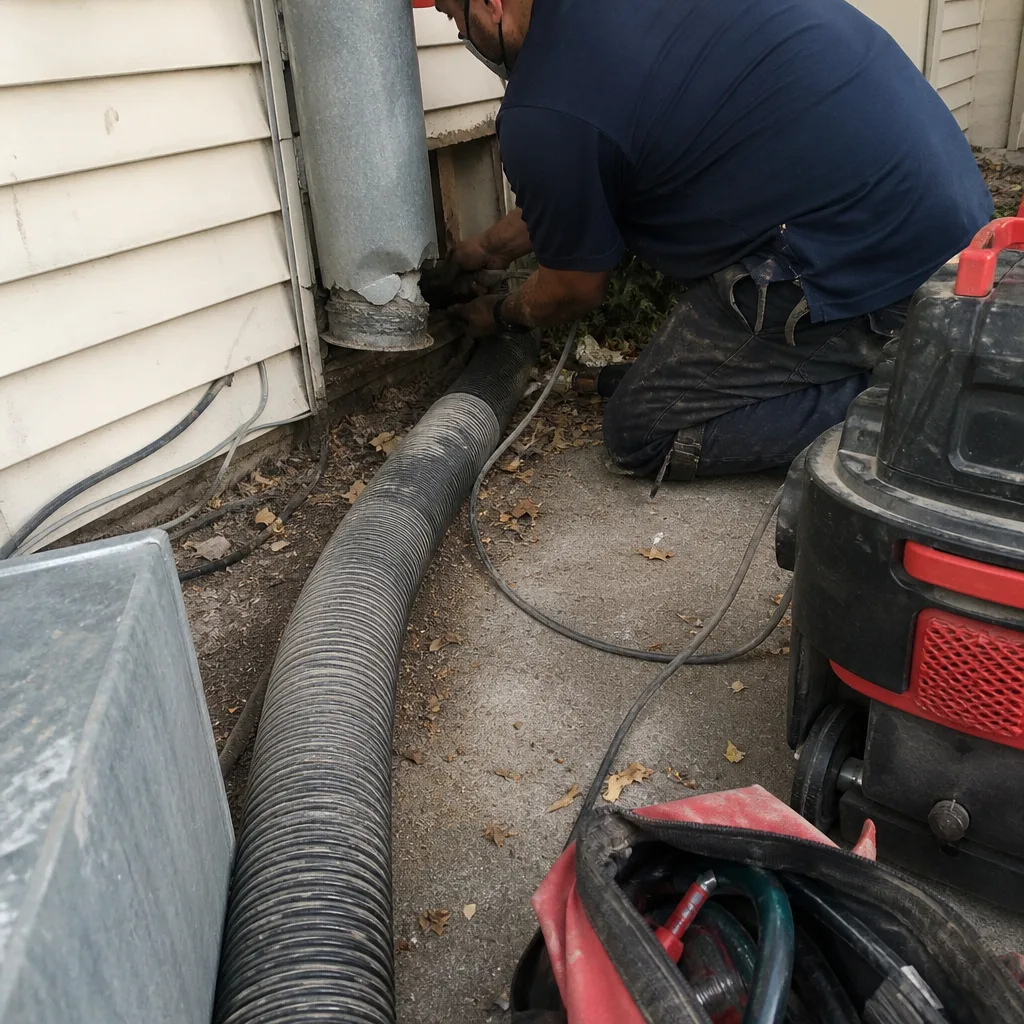 Before
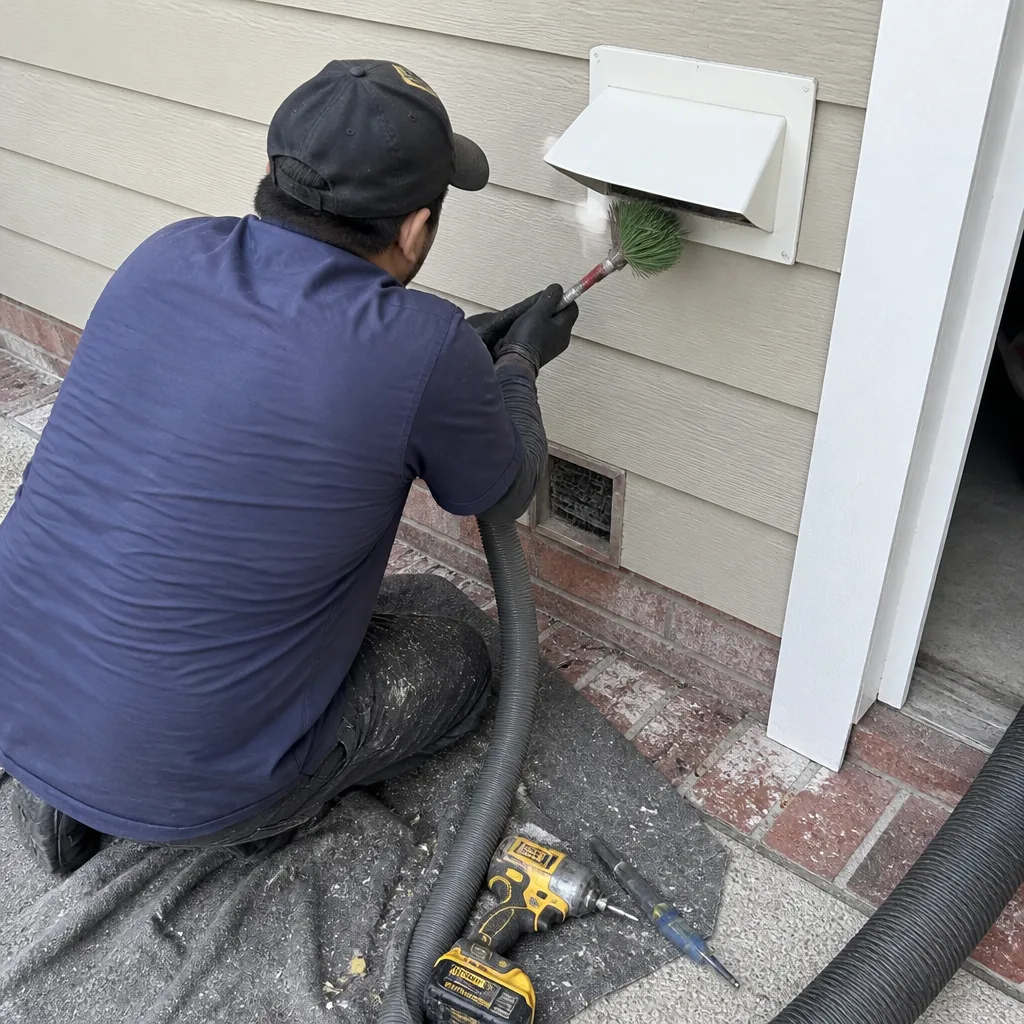 After
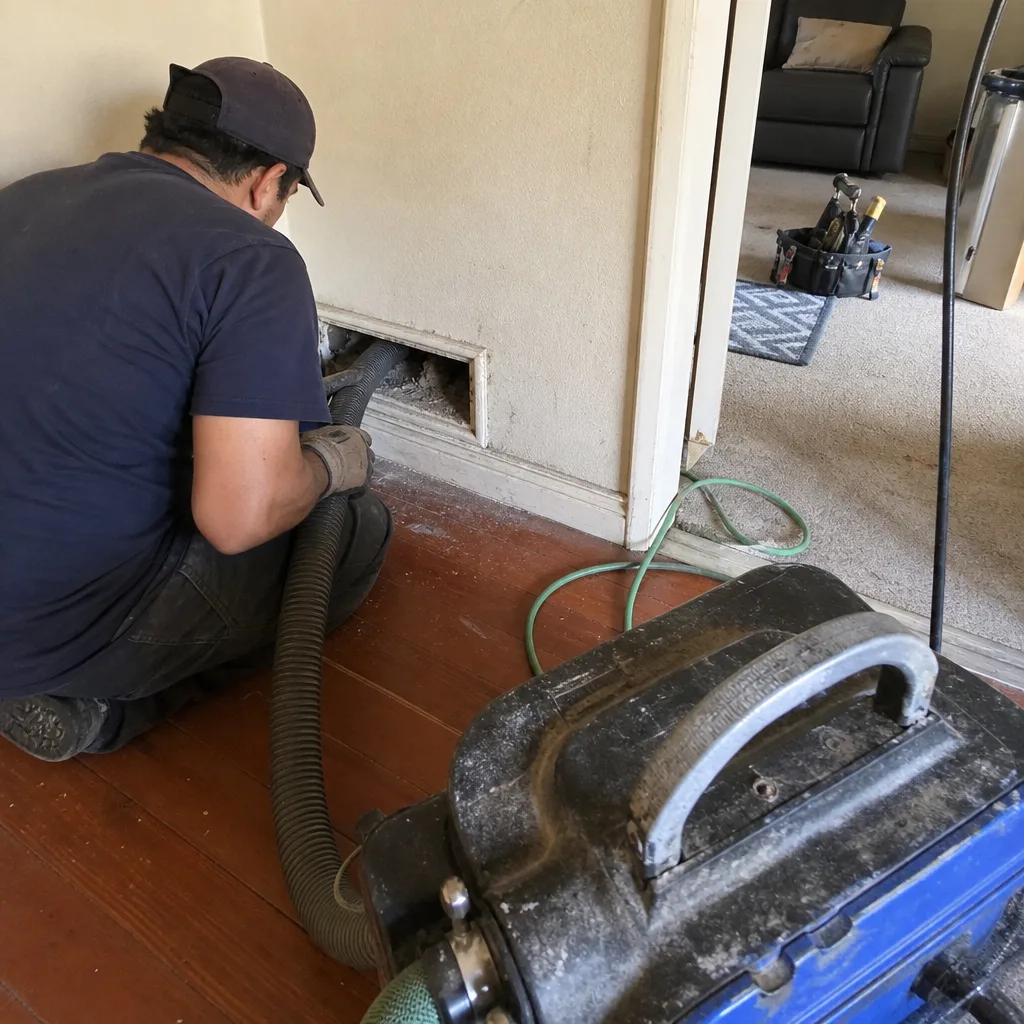 Before
 After
 Before
 After