
Last updated November 2, 2026
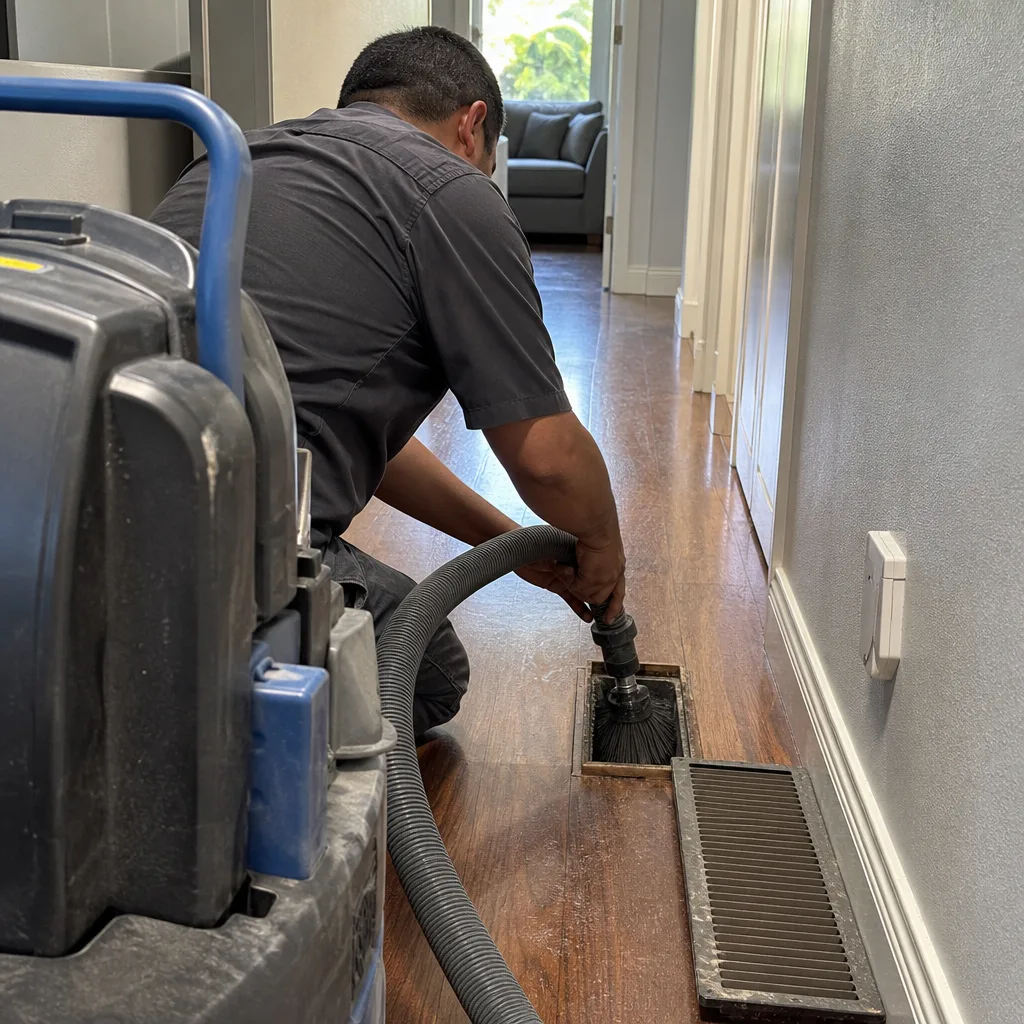
 Whole-home duct cleaning
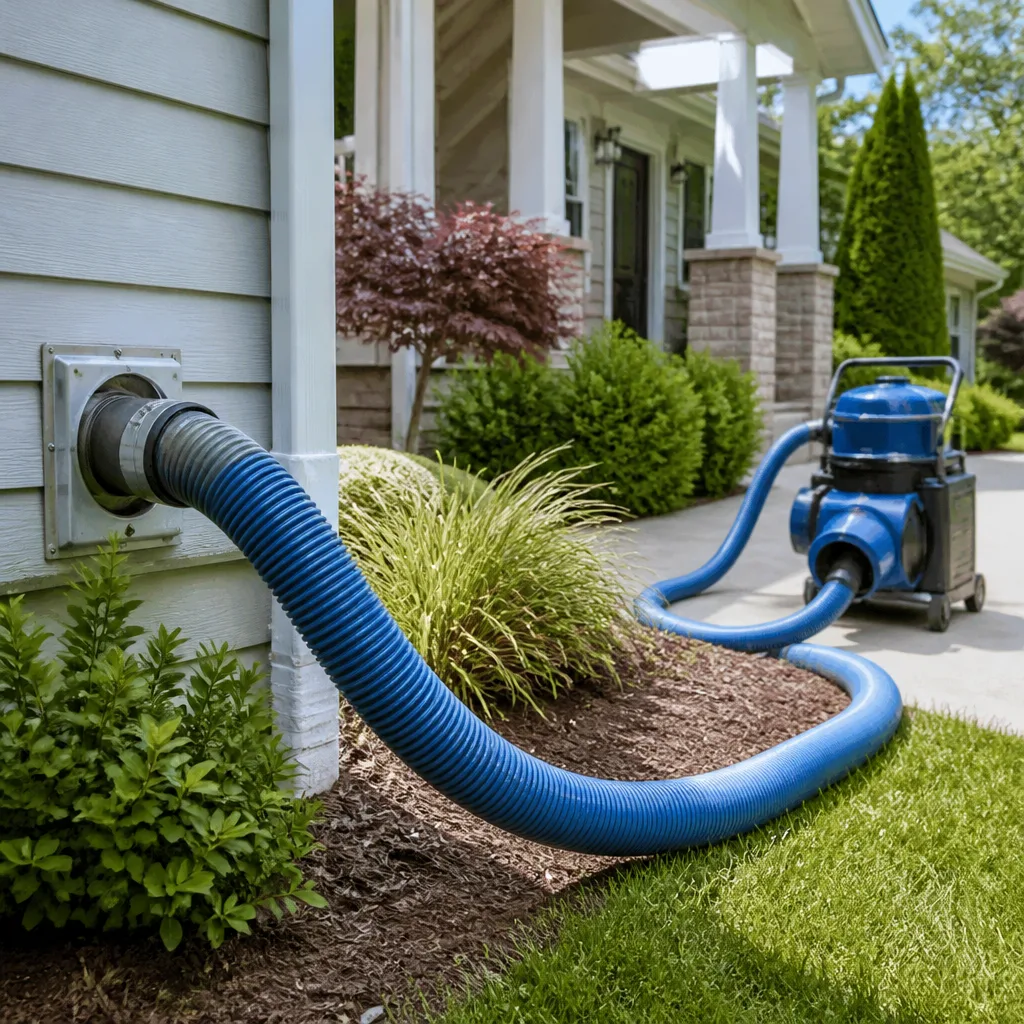
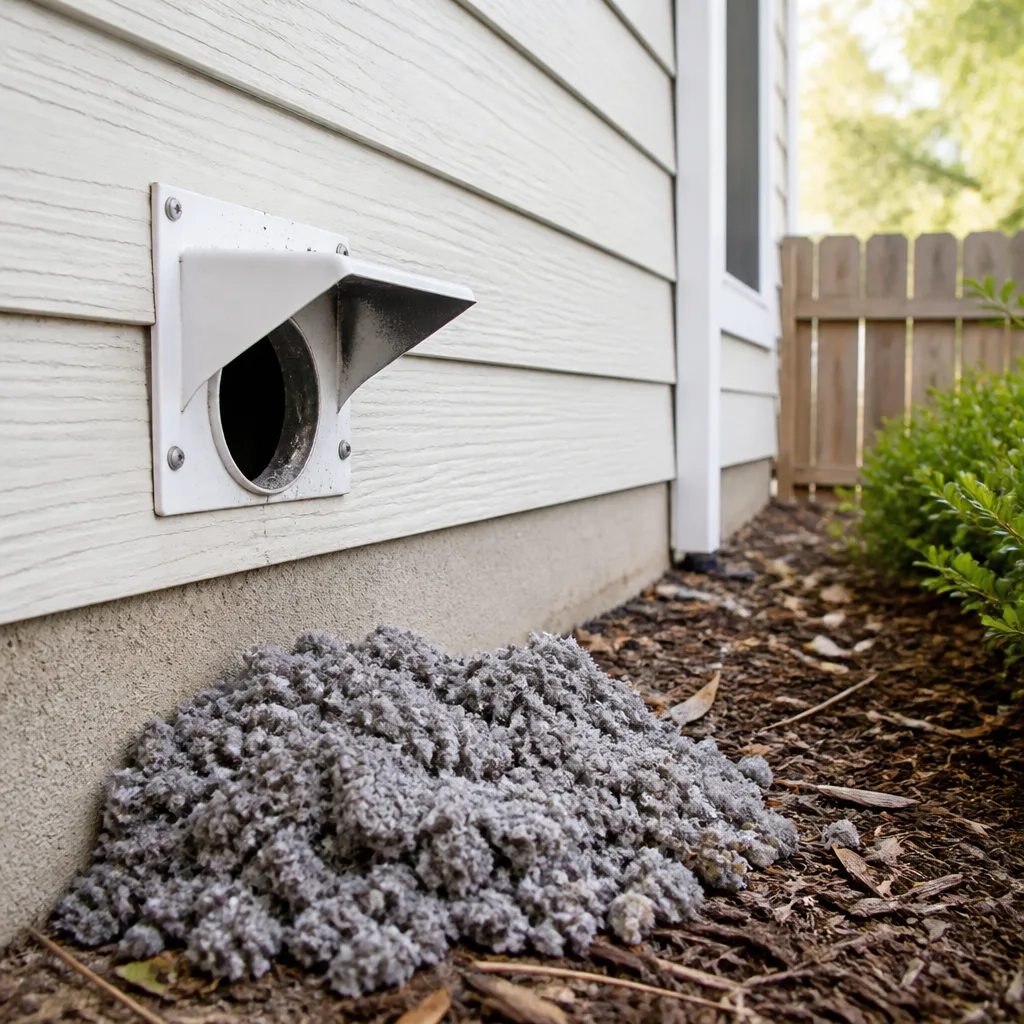 Dryer vent cleaning
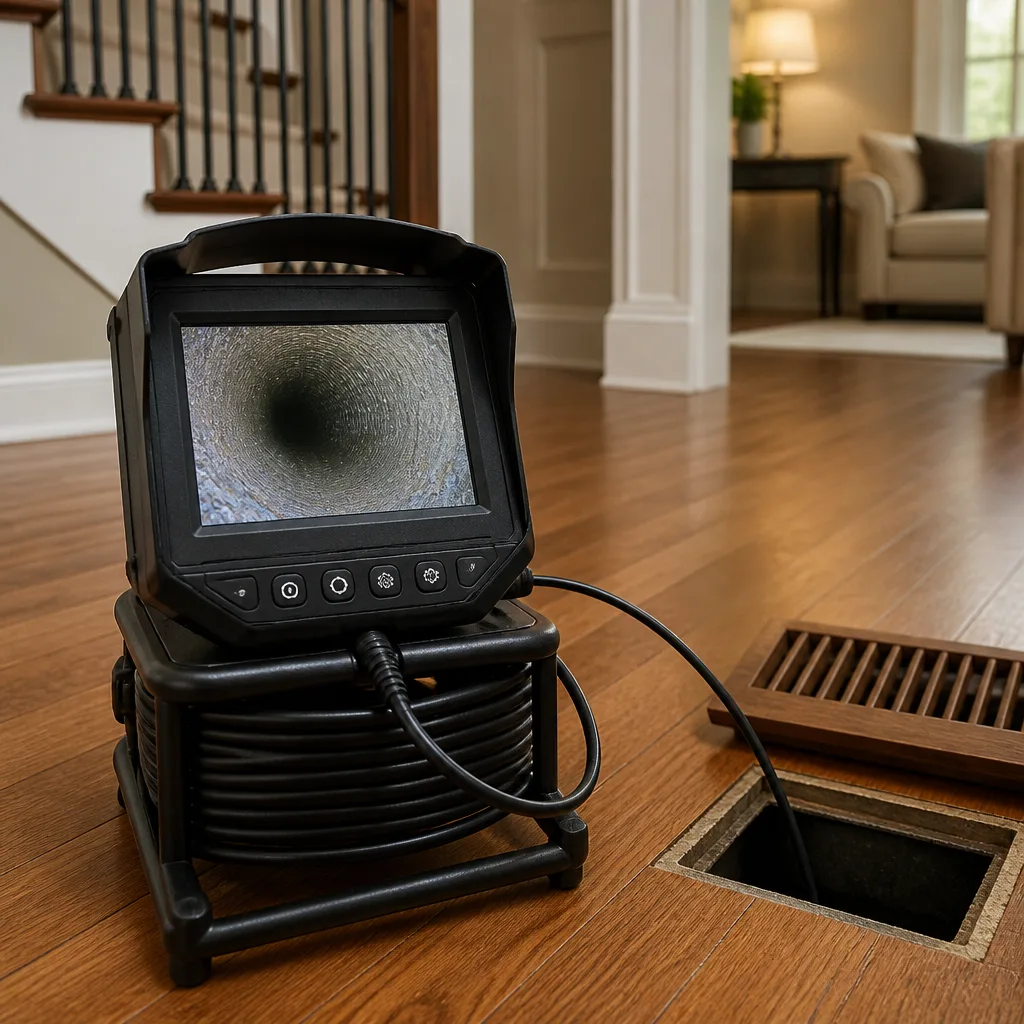 Camera inspection
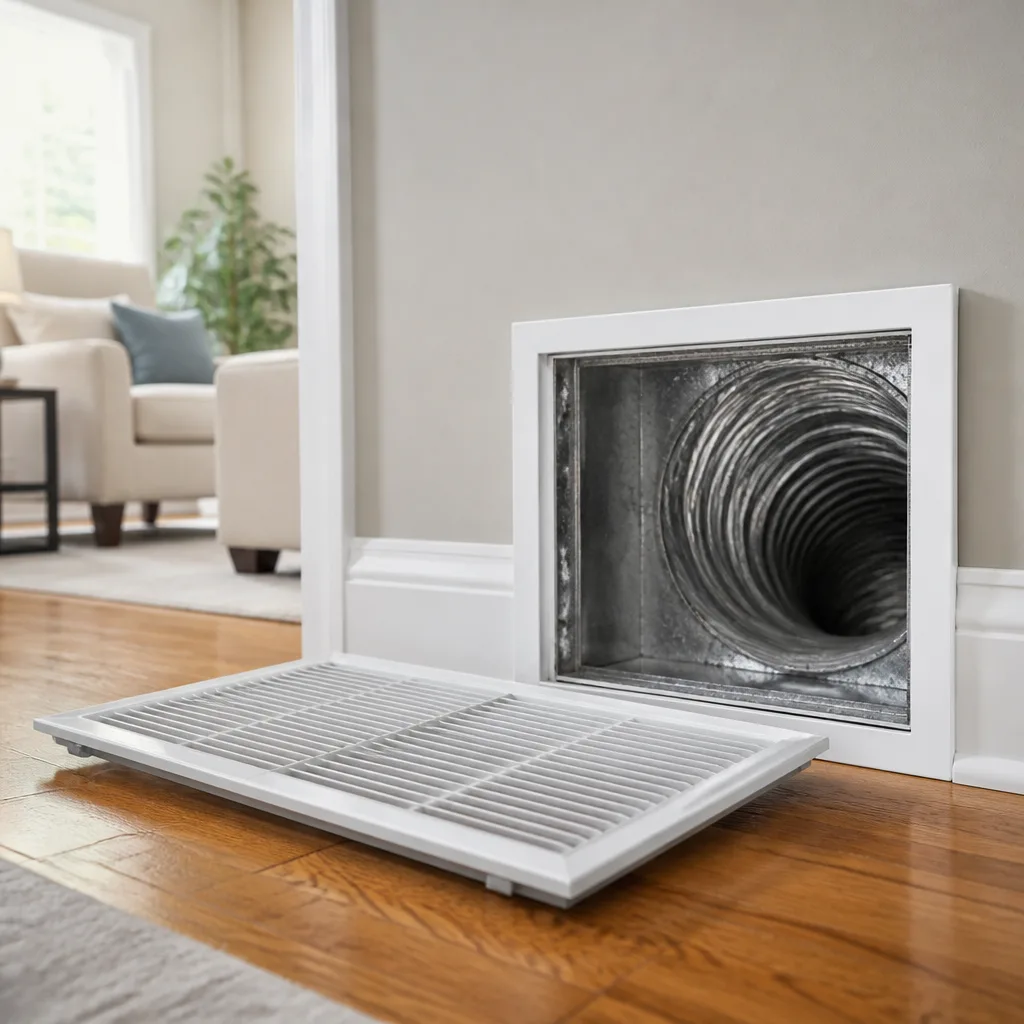 Sanitizing & deodorizing
Whole-system duct and dryer vent check with before-and-after photos - you see exactly what came out of your vents
That "$99 whole-house special" is a bait ad - the real number appears once they are in your hallway, or the "clean" is a shop-vac at the register. We photograph the inside of your ducts before and after instead.
Air Duct Cleaning Troubleshooting: Common Problems and How to Fix Them
Here’s a reality most homeowners in Sunnyvale don’t discover until they’ve spent money on the wrong fix: a room that stays stuffy after a professional cleaning, dust that reappears within a month, or a musty smell that lingers post-service usually isn’t a sign the cleaning failed. It’s a diagnostic signal. Your ductwork is telling you something specific about its condition, and until you know how to read that signal, you’ll keep chasing symptoms instead of the root cause. This guide – along with our companion piece, Air Duct Cleaning Warning Signs: A Sunnyvale Homeowner’s Reference Guide – walks through the most common duct-related problems, how to tell a cleaning issue from a structural defect, and the exact sequence of questions to ask before spending another dollar.
Styles & brands we work with
- Whole-home duct cleaning
- Dryer vent cleaning
- Camera inspection
- Sanitizing & deodorizing
Quick Answer
Most recurring air duct problems after a cleaning fall into three categories: inaccessible sections that were never reached, pre-existing duct damage that cleaning can’t fix, and moisture or contamination sources outside the ductwork itself. The fix depends on which category you’re dealing with. Odors and dust returning fast usually mean leakage pulling attic air into the system; weak airflow in one room usually means a crushed flex duct or closed damper. Re-cleaning without addressing the underlying issue typically produces the same result within months.
Table of Contents
- Mapping Symptoms to Root Causes: What Your Ducts Are Actually Saying
- Cleaning Failure vs. Duct Integrity Issue: How to Tell the Difference
- Odor After Duct Cleaning: When It’s a Problem and When It’s a Warning Sign
- Dust Returning Fast: The Leakage Problem Most Cleanings Won’t Fix
- Weak Airflow in One Room: Crushed Ducts, Dampers, and Design Flaws
- Moisture and Musty Smells: Why the Air Handler Matters More Than the Ducts
- Clean Again, Repair, or Call an HVAC Engineer: A Decision Tree
- Common Mistakes to Avoid
- When to Call a Professional
- Frequently Asked Questions
- The Bottom Line
Mapping Symptoms to Root Causes: What Your Ducts Are Actually Saying
Duct systems don’t fail silently. They produce consistent, repeatable symptoms that point to specific problems. The issue is that most homeowners, and frankly many generalist contractors, stop at the symptom. Dusty vents get blamed on dirty ducts. Uneven temperatures get blamed on the HVAC unit. A recurring odor gets blamed on the last person who cleaned the system.
Here’s what actually happens in homes across Sunnyvale, from the Eichler neighborhoods near Fairbrae to the newer construction around Lakewood Village. Each symptom has a primary suspect:
- Dust reappearing within weeks of a cleaning: A duct leak is pulling unfiltered attic air or crawlspace particulate into the supply side. The ducts were cleaned, but they’re re-contaminating themselves in real time.
- One room always 5-8 degrees off from the rest of the house: A crushed or kinked flex duct, a damper that was closed and never reopened, or a disconnected branch run. Not a dirt problem.
- Musty or mildew odor that returns every few weeks: Moisture at the air handler cabinet, the evaporator coil, or a section of duct in contact with a humid space. Cleaning treats the symptom; the moisture source keeps feeding it.
- Rattling or popping sounds when the system cycles on: Loose duct connections, expanding sheet metal, or a damper flapping under pressure. Mechanical, not microbial.
- Visible mold at the supply register but nowhere else: Condensation forming at the register boot where conditioned air meets warm room air. A specific, localized fix, not a full-system contamination event.
- Airflow strong in some rooms, nearly absent in others: The duct runs are unbalanced, or someone closed supply dampers years ago and forgot. Most “airflow problems” are damper positions and duct condition, not blower motor issues.
The truth is, many of these symptoms get mislabeled as “dirty ducts” by technicians who only clean and don’t diagnose. In our experience at Air Duct Cleaning Sunnyvale, roughly three out of ten homes where someone calls us for a “re-clean” don’t need another cleaning at all. They need a repair. That’s a meaningful distinction, because it changes what you should pay for.
Cleaning Failure vs. Duct Integrity Issue: How to Tell the Difference
When a homeowner calls us after another company cleaned their ducts and says the problem didn’t go away, the first question we ask is: “Did the technician show you before-and-after photos of the actual duct interior, or just describe what they did?”
That single question separates most cleaning failures from structural problems. A proper Air Duct Cleaning in Sunnyvale job produces photographic evidence. If no photos exist, you can’t verify what was actually reached. If photos do exist and the ducts are visibly clean, then the remaining problem isn’t dirt. It’s integrity.
Here’s the diagnostic framework we use, and you can use it too:
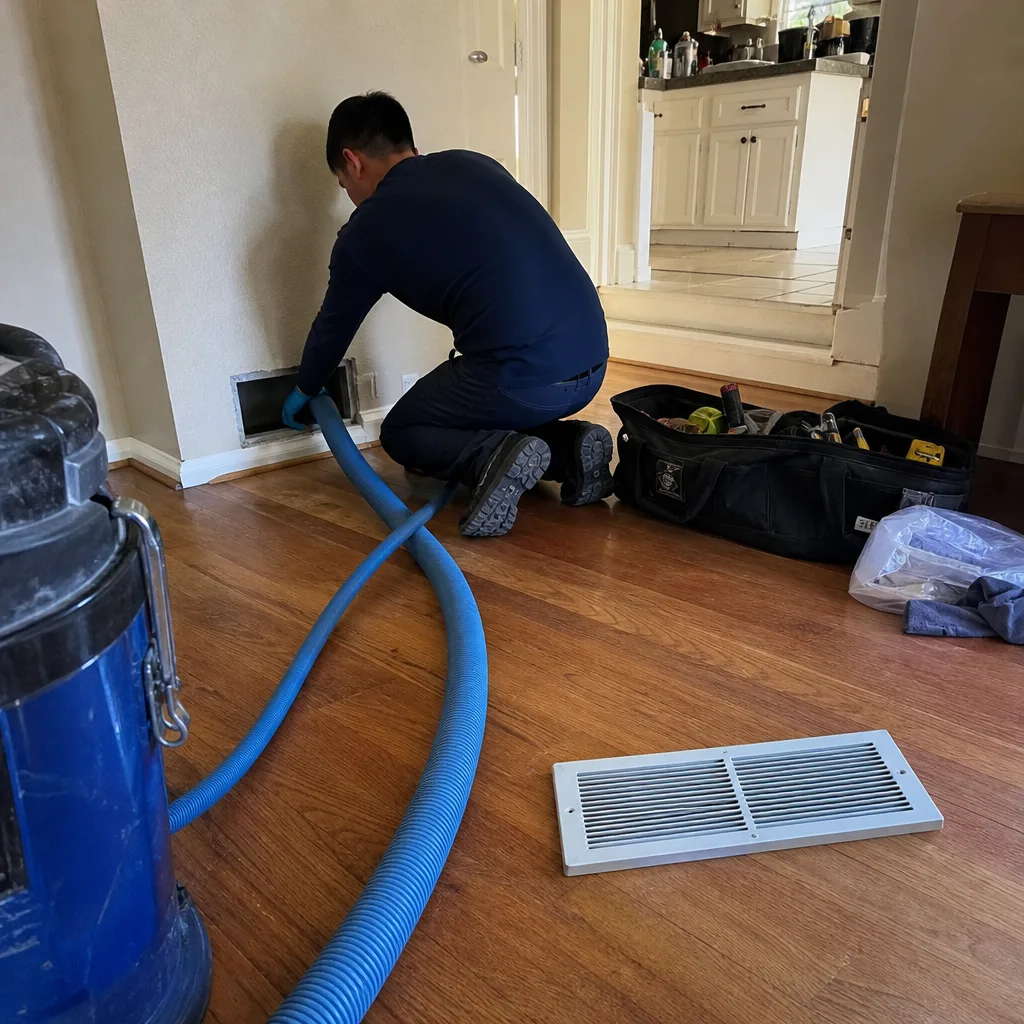
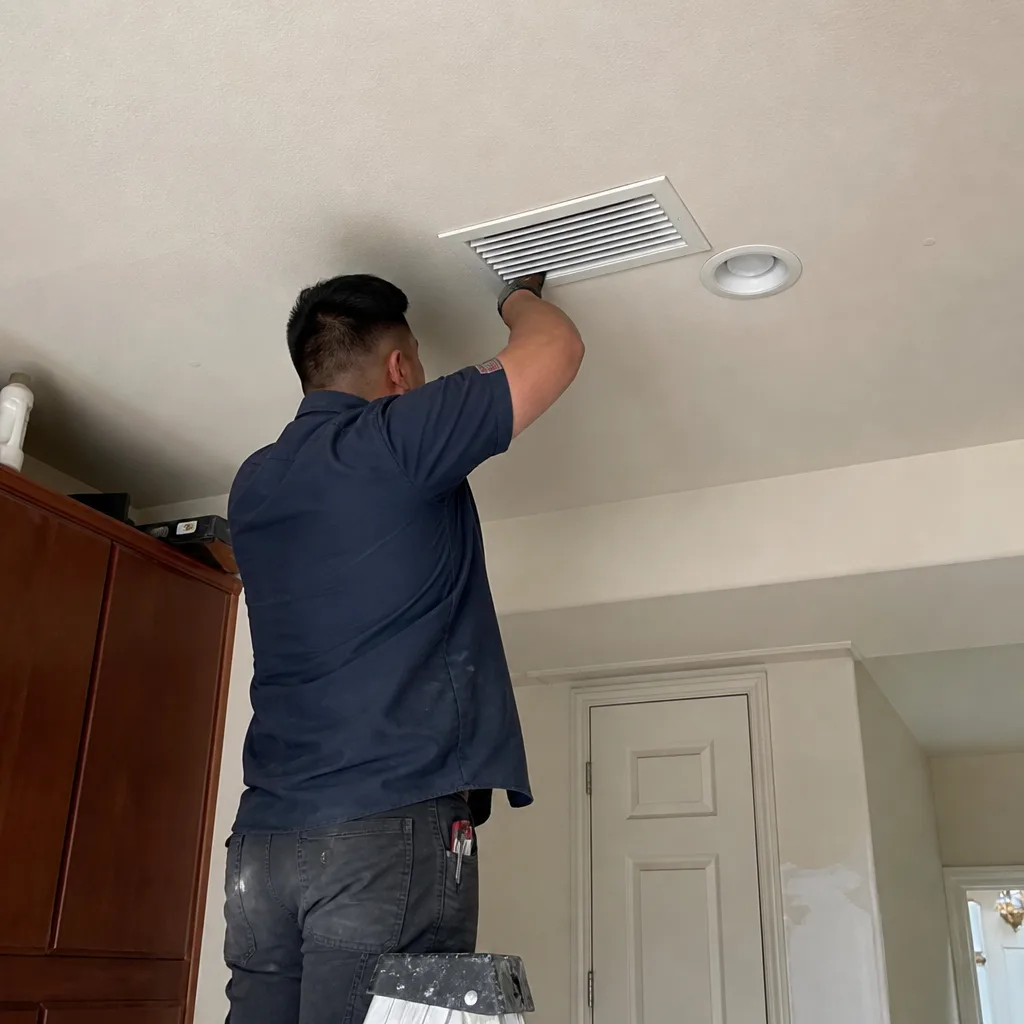
- Ask for access documentation. Did the technician open every supply register and the return plenum? Did they photograph the trunk line and major branch runs? Were they using a professional extraction system, or a portable unit that connects to one register at a time?
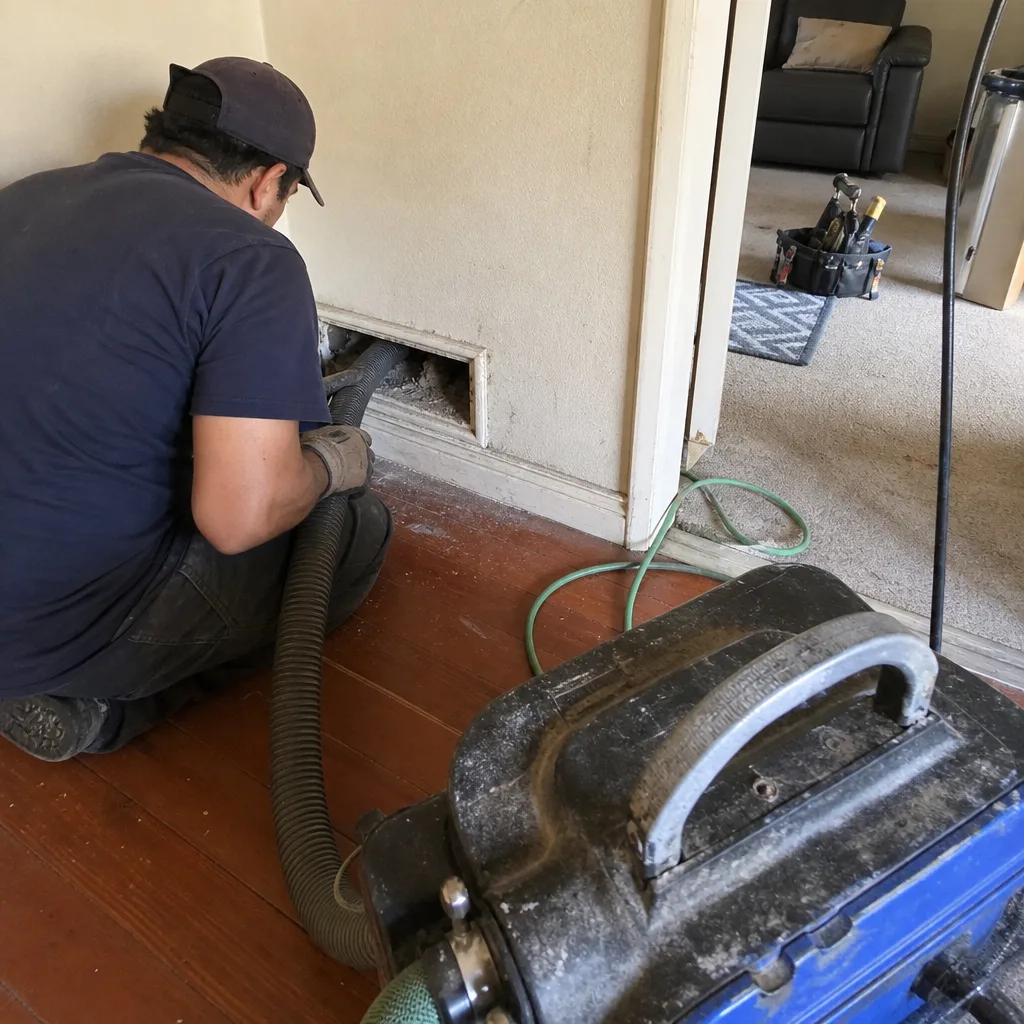
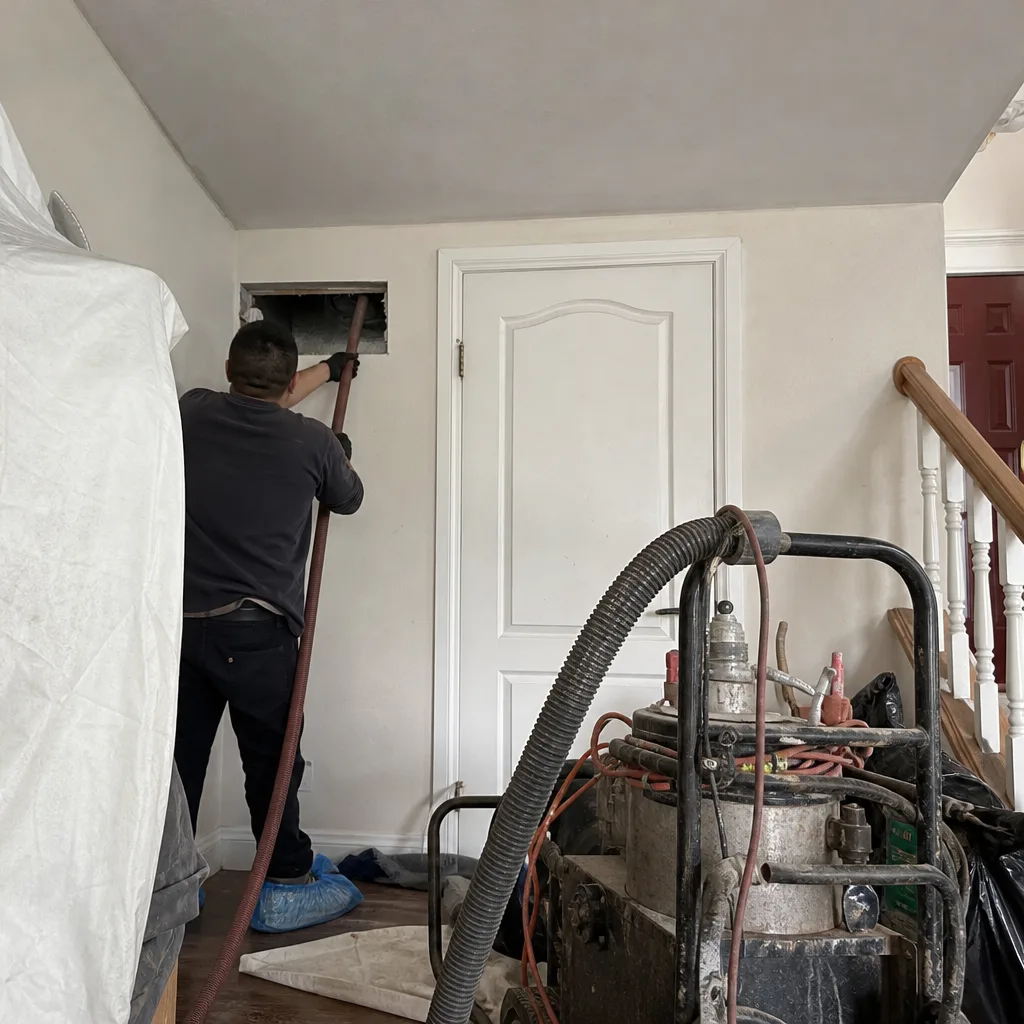
- Ask about negative-air containment. Commercial-grade cleaning requires the system to be placed under negative pressure so loosened debris exits the building instead of circulating through your living room. The equipment used matters. A Rotobrush rotary brush system paired with a Nikro HEPA vacuum unit extracts debris at the point of agitation and captures sub-micron particles through HEPA filtration. A shop-vac arrangement simply relocates dust.
- Ask whether the technician flagged any damage. A competent cleaner will note separated joints, crushed flex runs, or rusted sections. If they found damage and said nothing, they either didn’t look or didn’t care. If they found damage and couldn’t fix it, you now have a cleaning-only result with a known open issue. That’s the gap Air Duct Repair in Sunnyvale exists to close.
The distinction between “the cleaning wasn’t done well” and “the cleaning couldn’t fix this” determines your next move. If access was incomplete, another cleaning with proper equipment and documentation is reasonable. If the cleaning was documented and thorough but symptoms persist, you’re looking at air bypassing the duct system, moisture intrusion, or a component failure elsewhere. Spend money on diagnosis, not another cleaning.
Odor After Duct Cleaning: When It’s a Problem and When It’s a Warning Sign
An odor that appears immediately after a cleaning is often a temporary artifact. The mechanical agitation loosens years of accumulated films and debris that are now in transit through the system. In a properly contained cleaning, this material is extracted under negative pressure and exits the home. In an uncontained cleaning, that material gets blown into living spaces.
The distinction matters, and it’s visible. A properly contained cleaning uses a HEPA-filtered negative air machine connected to the duct system, creating continuous vacuum while the rotary brush agitates. The Nikro HEPA units used in commercial and remediation work capture 99.97 percent of particles at 0.3 microns. That’s the standard to look for. Anything less means loosened particulates are recirculating.
But here’s the stricter warning sign: an odor that appears weeks or months later, or one that smells specifically like decay or mildew rather than dust. That’s not a cleaning artifact. That’s a biological source in a section the cleaning didn’t reach, or a moisture source the cleaning couldn’t address.
Dead rodents in ductwork are unpleasant but not uncommon, particularly in crawlspace duct systems common in older Sunnyvale homes. A dead animal in a branch run produces a localized, sickly-sweet odor that gets worse when the blower runs. Cleaning won’t resolve this. The affected section needs to be located, opened, cleaned, and sanitized. If the animal entered through a failed duct joint, that joint also needs repair or the problem recurs.
Mildew odor is different again. It’s not coming from accumulated dust. It’s coming from active moisture. Locating the moisture source is the actual fix. Everything else is masking.
Dust Returning Fast: The Leakage Problem Most Cleanings Won’t Fix
If your ducts were professionally cleaned and dust started accumulating on registers and furniture within 30 to 60 days, you likely have duct leakage. This is one of the most common findings in residential systems, and it’s invisible from inside the living space.
What actually happens: The supply ducts, which carry conditioned air from the air handler to your rooms, run through the attic or crawlspace. In an attic duct system, which dominates Sunnyvale’s housing stock, duct runs are exposed to temperatures that routinely exceed 120 degrees in summer months. Over time, the foil tape and mastic at joints degrade from thermal cycling. The connections loosen. Now, conditioned air that was just cleaned and cooled is escaping into the attic while negative pressure on the return side pulls in attic air, insulation fibers, dust, and whatever else is up there.
Your dust isn’t coming from inside the ducts anymore. It’s coming from the attic, entering through leaks, and bypassing your filter entirely. This is why some homeowners report that dust returned faster after a cleaning. The cleaning removed the accumulated internal debris, which then made the leakage pathway more apparent.
The fix is sealing the leaks: re-taping and mastic-sealing joints, repairing separated connections, replacing damaged sections of flex duct. This is repair work, not cleaning work. And it’s exactly the scenario where choosing a company that only cleans leaves you stuck. You’d need a second contractor for the repair. A specialist who handles both can diagnose and fix the issue in one visit, which is why the Duct Cleaning Sunnyvale home service model combines the cleaning and repair functions under one team.
Weak Airflow in One Room: Crushed Ducts, Dampers, and Design Flaws
The most misunderstood duct symptom is a single room that won’t hold temperature. The homeowner assumes the HVAC is failing. Then maybe they get the ducts cleaned, and nothing changes. The room is still five degrees off, still stuffy, still uncomfortable. The issue was never dirt.
Three causes account for the overwhelming majority of single-room airflow problems:
- Crushed or kinked flex duct: Flexible duct runs are vulnerable to being pinched by storage boxes, punctured by wildlife, or collapsed by improper installation. A duct that’s crushed to 40 percent of its designed diameter delivers noticeably less air to that room. You can’t see this from the register. It requires inspection from the attic or crawlspace side.
- Closed or partially closed damper: Many homeowners don’t know their system has inline dampers, small metal levers on the branch ducts that regulate flow to each room. A damper that was closed to save energy in an unused bedroom and never reopened will make that room feel broken. This is a five-minute fix if you know where to look.
- Disconnected or fallen branch run: Duct runs can separate at the main trunk connection, which means conditioned air spills into the attic or crawlspace and never reaches the room. The living space register attached to that run is essentially decorative at that point.
None of these conditions responds to cleaning. A dirty duct still delivers air. A crushed or disconnected duct does not. If airflow in one room is the complaint, the workflow is: inspect the branch run for physical damage, verify damper position, confirm the connection at the trunk line. Cleaning comes after the airflow path is verified, not before. We’ve seen homes in Cherry Chase and Birdland where the homeowner had paid for two cleanings before anyone looked past the register box.
Moisture and Musty Smells: Why the Air Handler Matters More Than the Ducts
A musty smell that recurs within weeks of a duct cleaning almost always points to moisture at the air handler, not the duct runs themselves. This is the most common misdiagnosis in the entire trade.
Here’s the scenario: The evaporator coil sits inside the air handler cabinet, condensing moisture out of the air every time the system runs in cooling mode. That moisture drains through a pan and out a condensate line. If the drain line is clogged, the pan cracked, or the cabinet sweating due to poor insulation, you get standing moisture in a dark enclosed space. The result is biological growth that produces odor, and the blower pushes that odor through every duct in the house.
Cleaning the ducts in this scenario is like washing the hallways while the mold grows in the closet. The odor comes back because the source was never touched.
The sequence that actually works:
- Inspect the air handler cabinet, coil, and drain pan for standing water or visible growth.
- Clear the condensate drain line and verify it flows freely. A slow-draining line is a time bomb.
- Check the cabinet for condensation on the exterior during a cooling cycle. If the cabinet is sweating, the insulation is failing or the system is oversized for the space.
- Clean the coil and pan. A dirty coil holds moisture longer and gives biological growth a substrate.
- Only after the moisture source is addressed does duct cleaning make sense as a follow-up, and at that point it’s removing any odor that had already been distributed through the system.
We also recommend considering a UV or air-filtration addition at the handler if the homeowner wants to be proactive. Honeywell and Aprilaire both make in-duct and cabinet-mounted solutions that integrate with existing HVAC equipment. These don’t replace moisture control, but they add a layer of continuous air treatment that standalone choosing the right air duct cleaning brand can’t provide on its own. The point is that air quality is a system-level outcome, not a one-time service.
Clean Again, Repair, or Call an HVAC Engineer: A Decision Tree
Homeowners waste the most money when they act in the wrong sequence. Here’s the decision tree we walk customers through, tailored to what we see in Sunnyvale homes:
Step 1: Identify the symptom category.
- If the problem is visible dust around registers and the system hasn’t been cleaned in three-plus years: a professional cleaning is the reasonable first step, assuming it’s performed with proper containment and documentation.
- If the problem is odor: determine whether the odor is dusty (cleaning-related), decaying (pest-related), or musty (moisture-related). Only the dusty odor resolves with cleaning alone.
- If the problem is uneven room temperatures or weak airflow: skip cleaning. This is a duct integrity or design issue.
Step 2: Verify prior work.
- If you’ve already paid for a cleaning and the problem persists, request photos from the previous provider. No photos means unverifiable access. Documented clean ducts plus persisting symptoms means the problem is not dirt.
Step 3: Match the fix to the finding.
- Dusty ducts with photos showing buildup: clean again with a reputable firm, demand Rotobrush or equivalent agitation plus HEPA negative-air containment.
- Leaks, crushed runs, disconnected sections: repair. Sealing ductwork usually costs less than a second cleaning and produces a lasting result. This is the clearest case for a company that does both.
- Moisture at the air handler or coil: address the moisture source first. Then decide if distribution cleaning or air purification is warranted. An HVAC engineer or a duct specialist with air-handler experience can scope this.
- Persistent odor with no visible source: consider a camera inspection of the duct interior. A section that couldn’t be reached by a cleaning brush may need direct access.
Step 4: Verify the outcome.
- For cleaning: demand before-and-after photos of the duct interior, not just the registers.
- For repair: inspect the repaired section. You should see sealed joints with mastic or foil tape, secure connections, and a clean airflow path.
- For moisture: confirm the drain line flows, the pan is dry, and the odor does not return after two full cooling cycles.
Most homeowners never need an HVAC engineer. But you do need someone who will actually diagnose rather than sell a menu item. That’s the difference between a specialist and a revolving door.
Common Mistakes to Avoid
- Paying for a second cleaning without seeing photos from the first one. If the previous provider can’t show you what the duct interior looked like before and after, you have no evidence the first cleaning even reached the ducts. Paying for another blind cleaning repeats the same mistake.
- Treating a room-temperature problem as a dirt problem. Dirty ducts don’t create five-degree temperature imbalances. Crushed runs and closed dampers do. Cleaning before inspecting the airflow path wastes time and money.
- Ignoring a musty smell because “the ducts were just cleaned.” A musty odor within weeks of cleaning is diagnostic gold. It means you have a moisture source the cleaning couldn’t address, and it’s still active. The longer it runs, the more extensive the biological growth becomes.
- Using consumer-grade equipment or DIY duct kits. Home-grade tools can’t replicate professional extraction. Without negative-air containment, agitating duct debris simply pushes it into living spaces. This is how people make air quality worse while trying to improve it.
- Allowing a technician to work without showing access points. A professional will open the air handler, the return plenum, and every supply register. If someone cleans your entire system through two access holes, large sections never got touched.
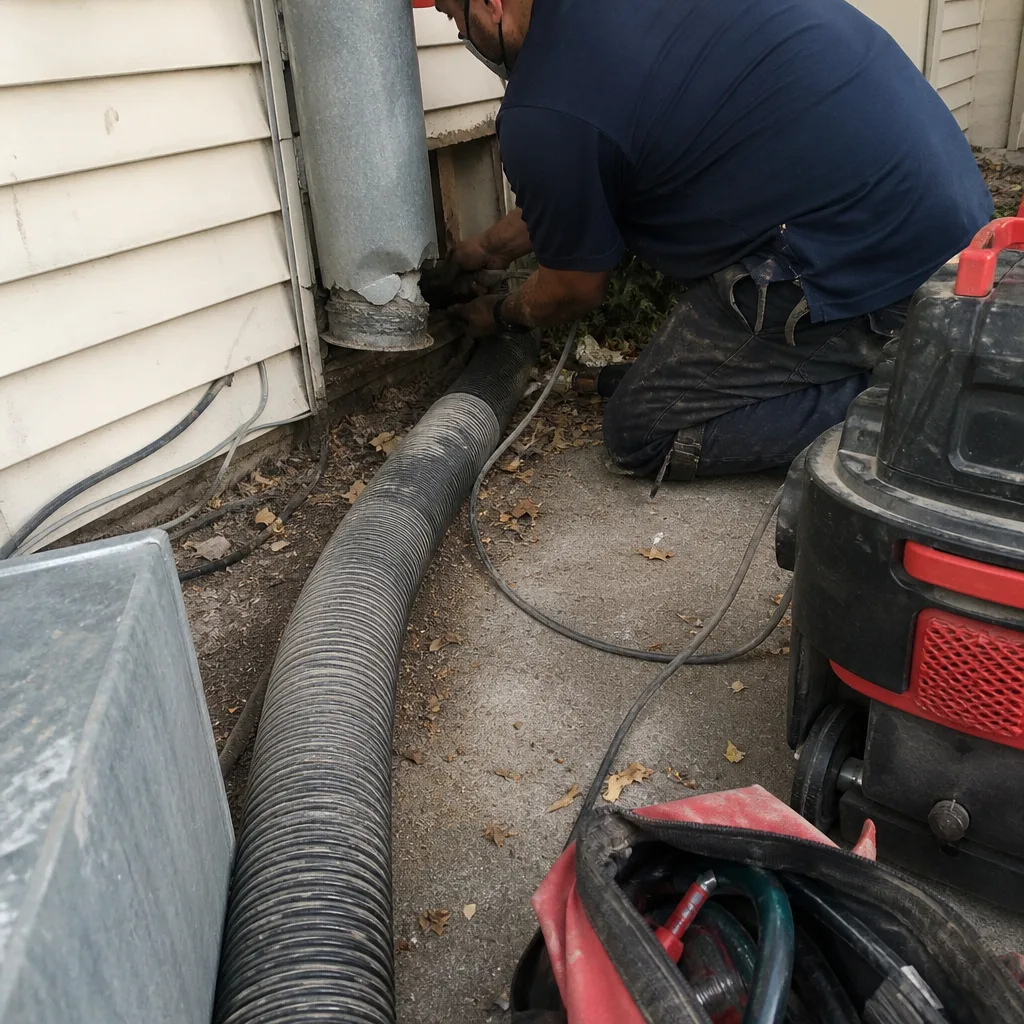
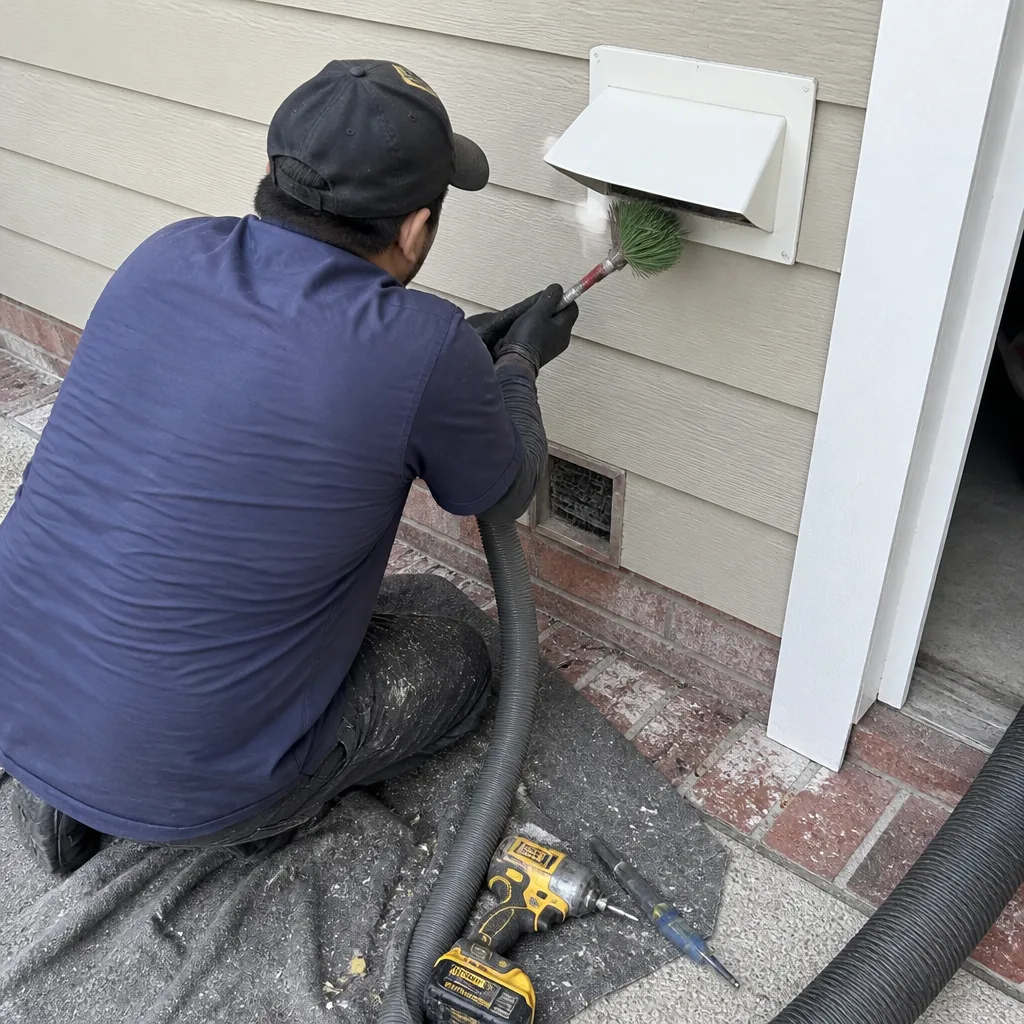
- Ignoring dryer vent cleaning as part of the system. Your dryer vent moves large volumes of lint-laden air through the home. It’s the highest fire-risk component of any residential air system, and in Sunnyvale’s older housing stock, many vents haven’t been serviced in years. We treat Dryer Vent Cleaning in Sunnyvale as a fire-prevention measure, not an add-on.
- Assuming all duct cleaning services are the same. The equipment gap is real. A Rotobrush rotary brush system actively dislodges bonded debris from duct walls. A Nikro HEPA vacuum captures the released particulate. This is the professional standard: agitation plus containment. If a quote doesn’t include both, you’re paying for partial work.
When to Call a Professional
Call a professional if you’ve documented clean ducts but symptoms persist, if you notice musty odor that returns after cleaning, if one room won’t hold temperature despite the HVAC running normally, if you see visible mold at registers, or if you haven’t had your dryer vent inspected in over a year. These are diagnostic scenarios, not guesses. A specialist with repair capability can address findings on the spot rather than referring you to someone else. Duct Cleaning Sunnyvale offers free estimates in Sunnyvale, call (866) 593-7291.
Frequently Asked Questions
Whole-system residential duct cleaning in Sunnyvale typically runs between $450 and $900 depending on the size of the home, the number of duct runs, and the condition of the system, with the price agreed as one flat figure before work starts, not per vent. Homes with crawlspace ducting or heavily contaminated systems trend toward the upper end. Call (866) 593-7291 for an exact quote. Estimates are free.
Cheaper quotes typically mean consumer-grade equipment, limited access points, or per-vent pricing that expands when the technician arrives. Professional cleaning requires HEPA negative-air containment and mechanical agitation, which costs real money. If someone quotes $99 for a whole house, you’re not getting a whole-house cleaning.
Demand before-and-after photos taken inside the ducts themselves, not just at the registers. A documented professional cleaning will show the trunk line and branch runs before agitation and after extraction. No photos means no verification.
Most homes need professional cleaning every three to five years, more often if you have pets, recent construction, smoke in the home, or if anyone has respiratory sensitivities. There’s no benefit to annual cleaning in a typical residential system, and honest technicians will tell you that.
Yes, particularly during the months when windows are closed and the HVAC is cycling continuously, duct systems re-circulate whatever is inside them plus anything pulled in through leaks. Pollen, dust, and pet dander concentrate in the return air. Cleaning plus sealing any leaks reduces the particle load your HVAC filter has to manage.
Yes. Both systems move air through your home, both collect debris, and both benefit from professional attention on the same schedule. Dryer vent cleaning is a fire-safety measure: lint accumulation in the vent line is a leading cause of residential dryer fires. If you’re scheduling duct cleaning, adding the dryer vent makes practical sense.
The Bottom Line
Air ducts communicate through symptoms. Dust that returns fast says “leak.” A room that won’t hold temperature says “blockage or damage.” An odor that persists after cleaning says “moisture or biological source.” The homeowners who get the best outcomes in Sunnyvale are the ones who stop treating these signals as generic dirt problems and start asking what each one specifically means. If the answer points to damage, a cleaning is wasted money. If it points to actual debris, only professional equipment and documented containment produce a lasting result. And if it points to a dryer vent that hasn’t been touched in years, treat it as the fire risk it is and schedule accordingly. Read the signal, match the fix, and verify the work. For more guides & resources, visit our blog.
Written by the team at Duct Cleaning Sunnyvale, serving Sunnyvale since 2015.
See the difference
 Before
 After
 Before
 After
 Before
 After