
Last updated November 2, 2026
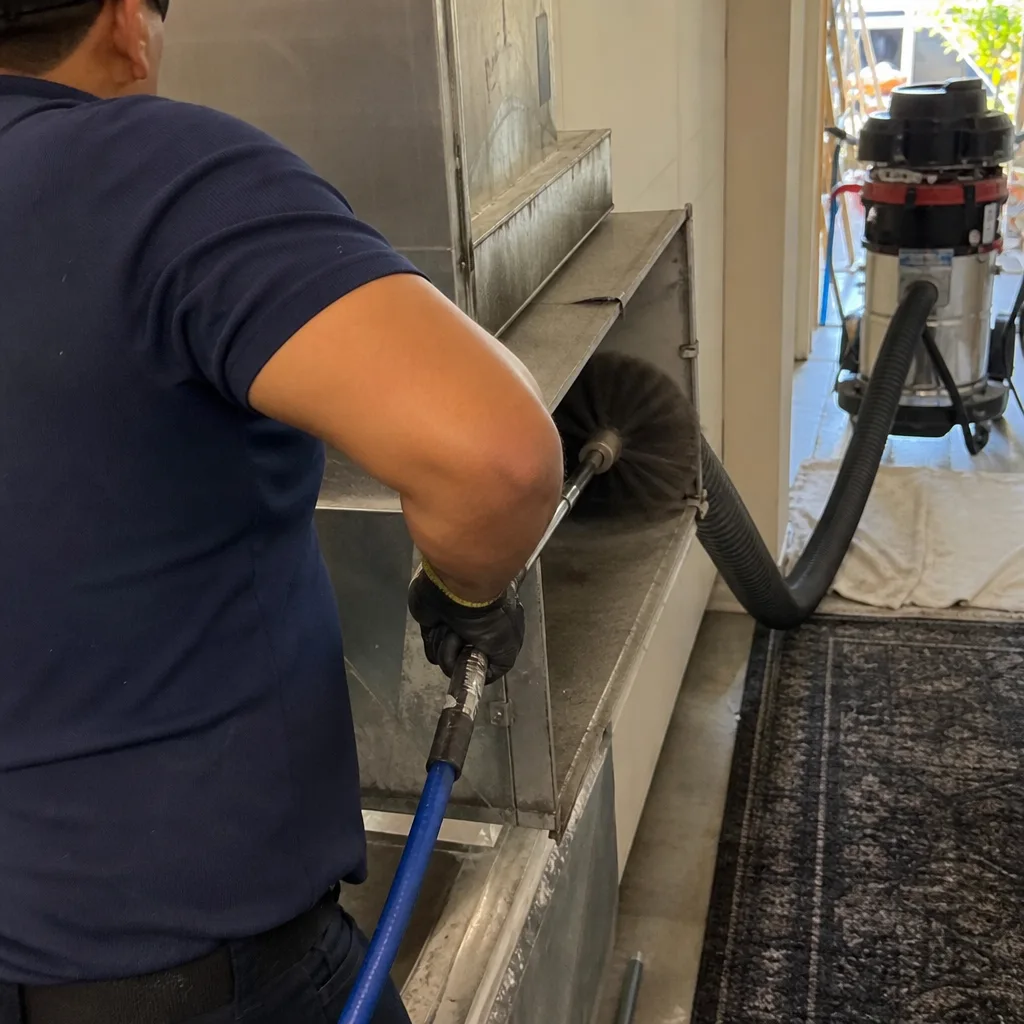
 Whole-home duct cleaning
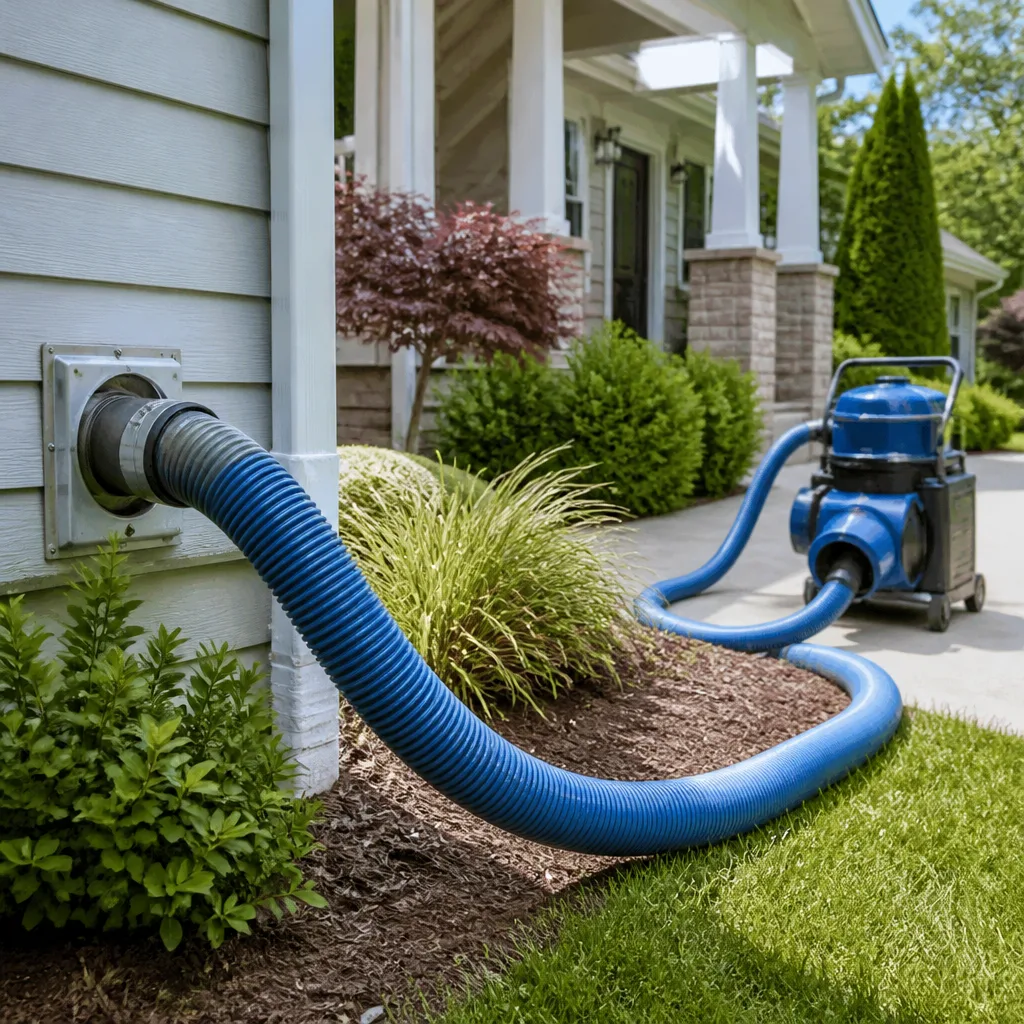
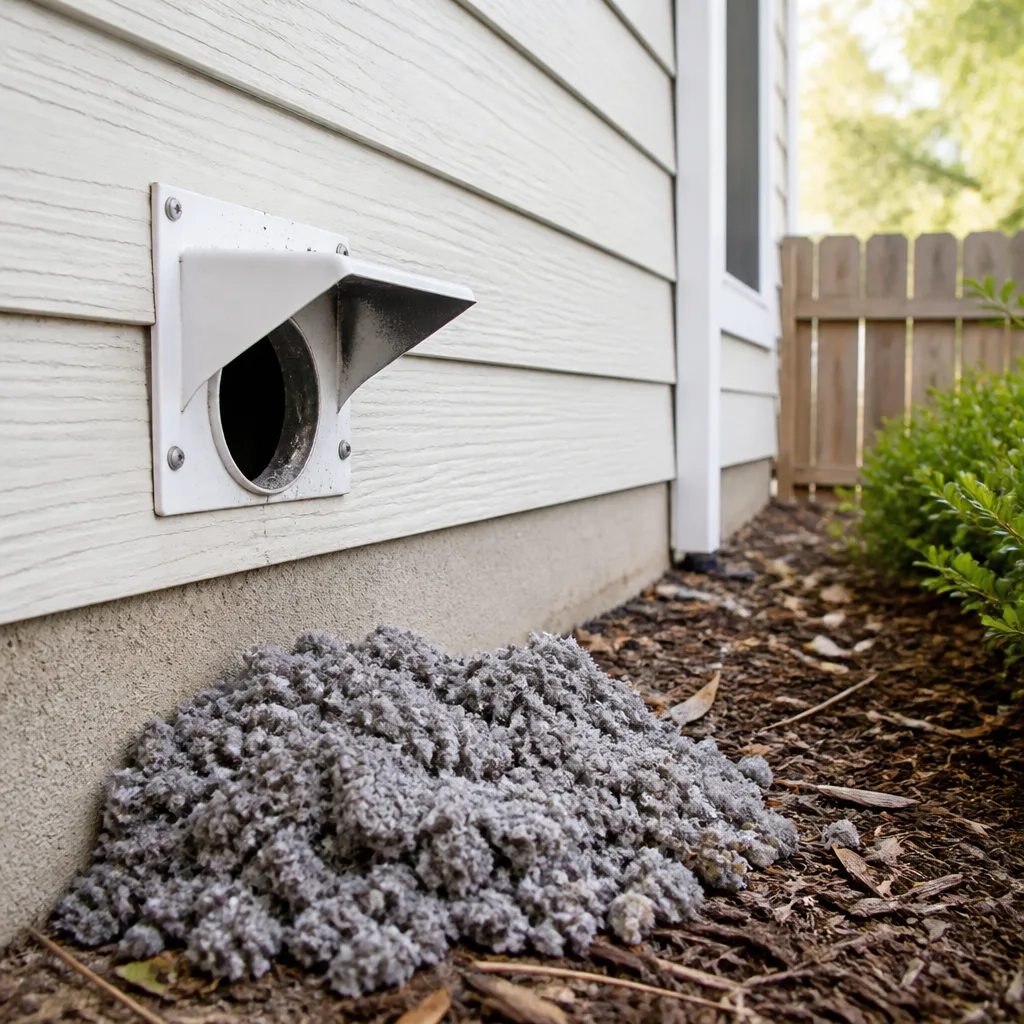 Dryer vent cleaning
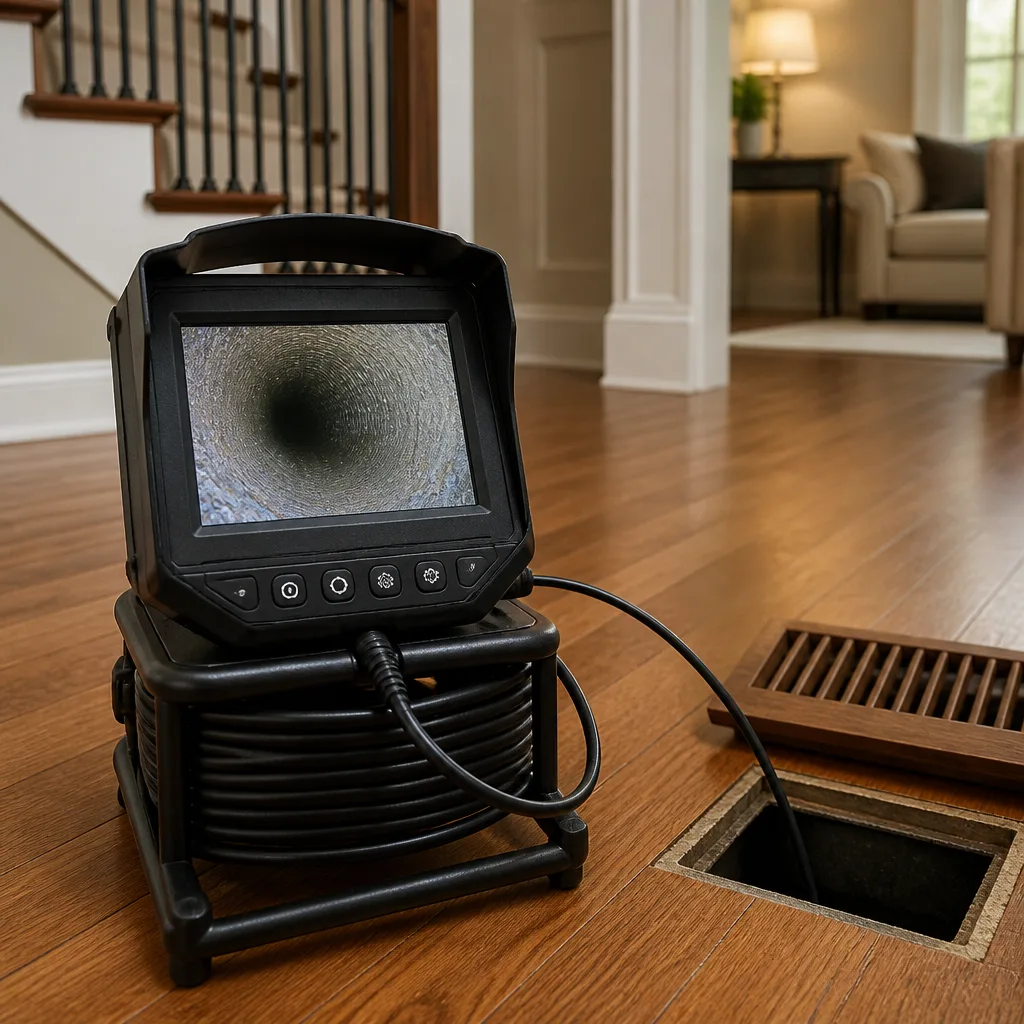 Camera inspection
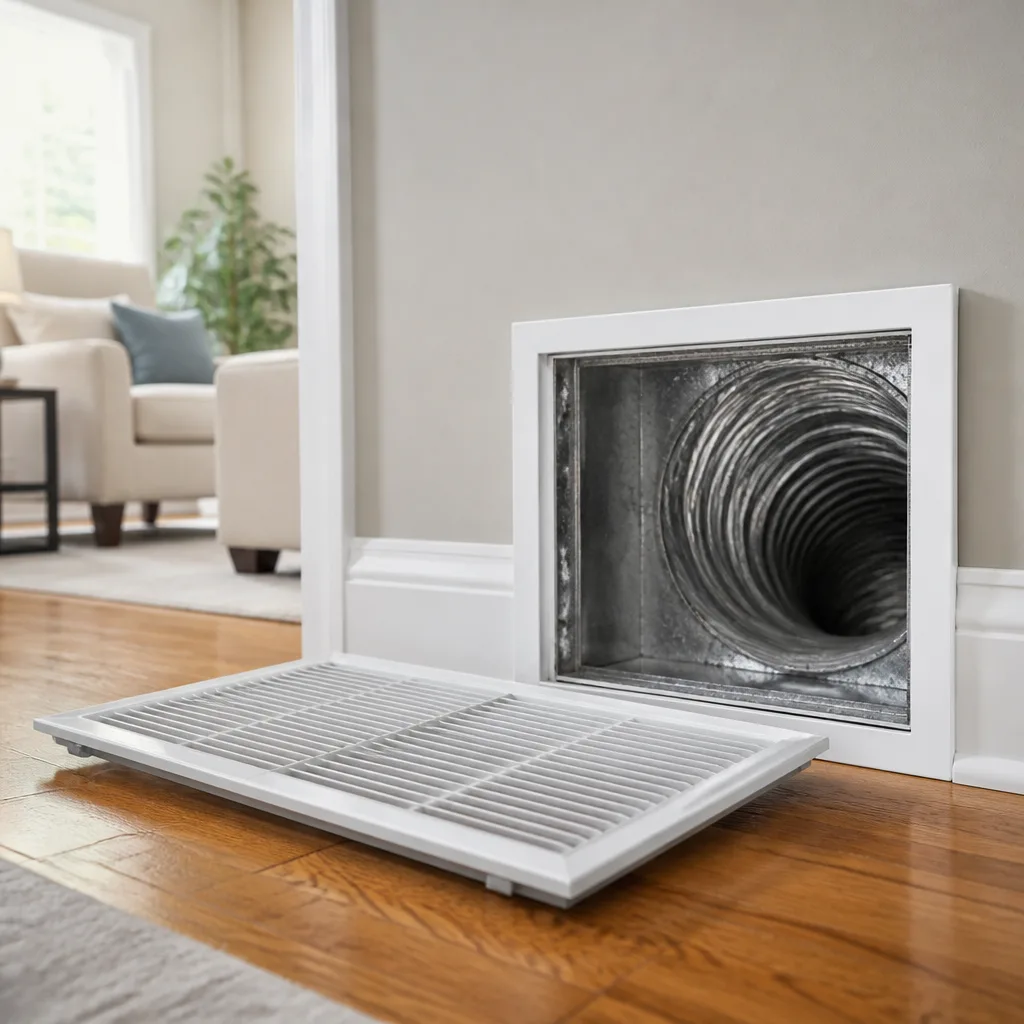 Sanitizing & deodorizing
Whole-system duct and dryer vent check with before-and-after photos - you see exactly what came out of your vents
That "$99 whole-house special" is a bait ad - the real number appears once they are in your hallway, or the "clean" is a shop-vac at the register. We photograph the inside of your ducts before and after instead.
DIY vs Professional Air Duct Cleaning: The Sunnyvale Homeowner’s Decision Guide
Here’s a statistic that should make you pause: a standard shop vac generates around 150 to 200 cubic feet per minute of airflow. A professional HEPA negative-pressure unit used by legitimate duct cleaning companies pulls 2,000 to 4,500 CFM. That’s the entire conversation. The DIY-versus-professional debate isn’t really about effort or willingness. It’s about whether consumer hardware can physically do the job, and for most of the ductwork inside a Sunnyvale home, it cannot. This guide walks you through exactly where that boundary sits: which tasks a careful homeowner can handle effectively, which ones require professional-grade equipment, and how to decide which path is right for your specific situation.
Quick Answer
For most Sunnyvale homeowners, professional Air Duct Cleaning is the correct choice when debris has accumulated inside the main trunk lines, return plenum, or supply runs deeper than a few feet from the register. DIY methods using a shop vac or consumer brush can handle visible surface cleaning at the register opening and exterior dryer vent cap, but they lack the reach and negative-pressure suction required to clean the full duct system without redistributing debris into your living space. The practical split: DIY handles the visible edges. Professionals handle the inaccessible interior.
Styles & brands we work with
- Whole-home duct cleaning
- Dryer vent cleaning
- Camera inspection
- Sanitizing & deodorizing
Table of Contents
- What Consumer Equipment Can Physically Reach
- Why Negative Pressure Is the Requirement, Not a Preference
- DIY Tasks That Genuinely Complement Professional Service
- When DIY Attempts Make Professional Cleaning Harder
- The Sunnyvale Decision Matrix: Four Variables That Determine Your Path
- What Each Path Actually Costs in Sunnyvale
- The Post-Event Exception: Renovation, Smoke, and Rodents
- Common Mistakes to Avoid
What Consumer Equipment Can Physically Reach
The anatomy of a standard Sunnyvale single-story home’s HVAC system matters here. Your returns draw air from the living space. That air travels through return registers and boots into return ducts, which merge into a return plenum attached to the air handler. From there, conditioned air moves through the supply plenum into the main trunk line, which branches into smaller supply runs terminating at register boots throughout the house. The system is extensive. In a 1,500-square-foot home, you’re looking at 200 to 400 square feet of interior duct surface area.
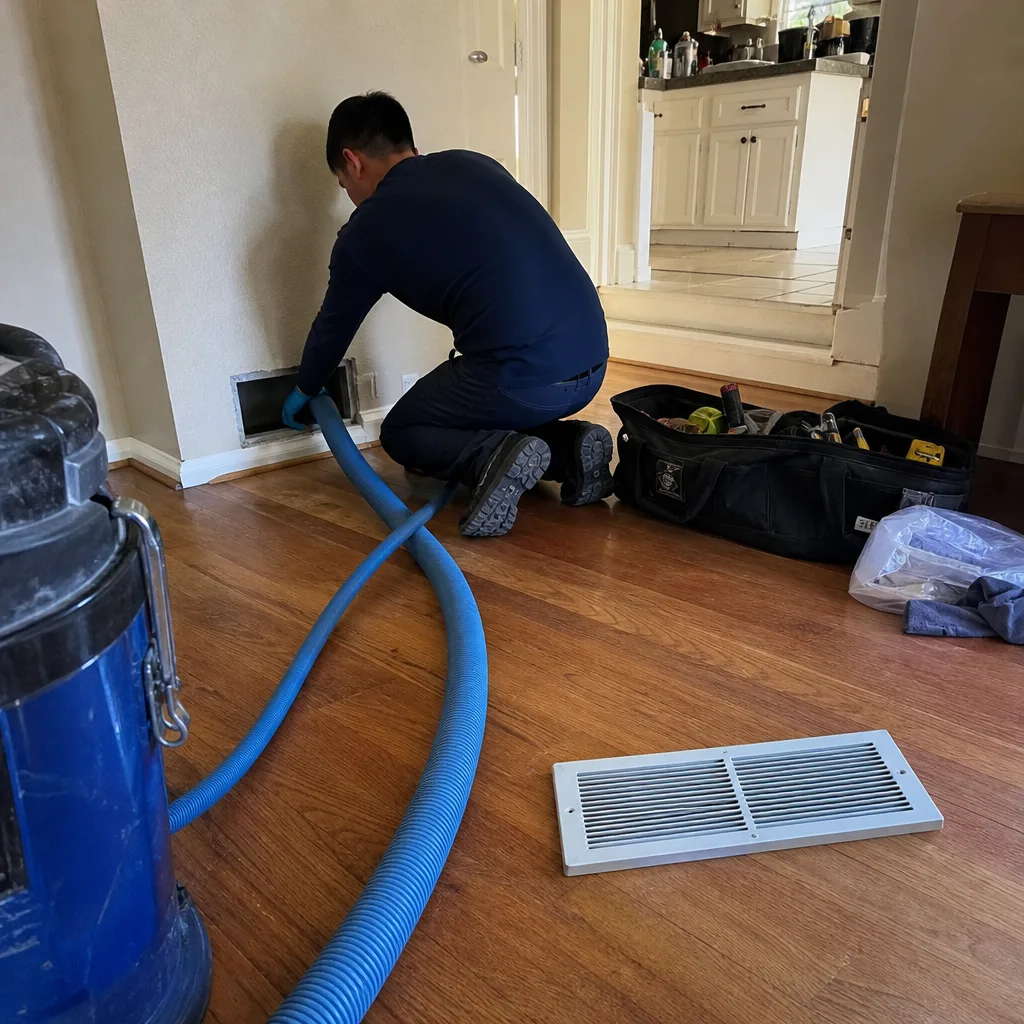
A shop vac with a 15-to-20-foot hose attached to a dryer vent brush reaches the first 12 to 18 inches inside a supply register boot. That’s where the brush stops. The register boot is the short metal elbow connecting the visible register to the horizontal supply run. Here’s the counterintuitive part that most DIY guides miss: that first foot and a half is typically the cleanest section of the entire system. The highest airflow velocity occurs right at the register opening, which means loose debris gets blown past the boot into the deeper run or into your living space. The heaviest accumulation sits in the main trunk line and return plenum, where airflow slows and cross-sectional area expands. That’s 20 to 50 feet away from any register opening a homeowner can access.
Consumer handheld blowers create a different problem. They push air into the duct from one end, which dislodges debris but sends it deeper into the system or horizontally into a neighboring supply run before it settles. Without collection at the opposite end, you’re moving dirt around, not removing it.
The Rotobrush Difference
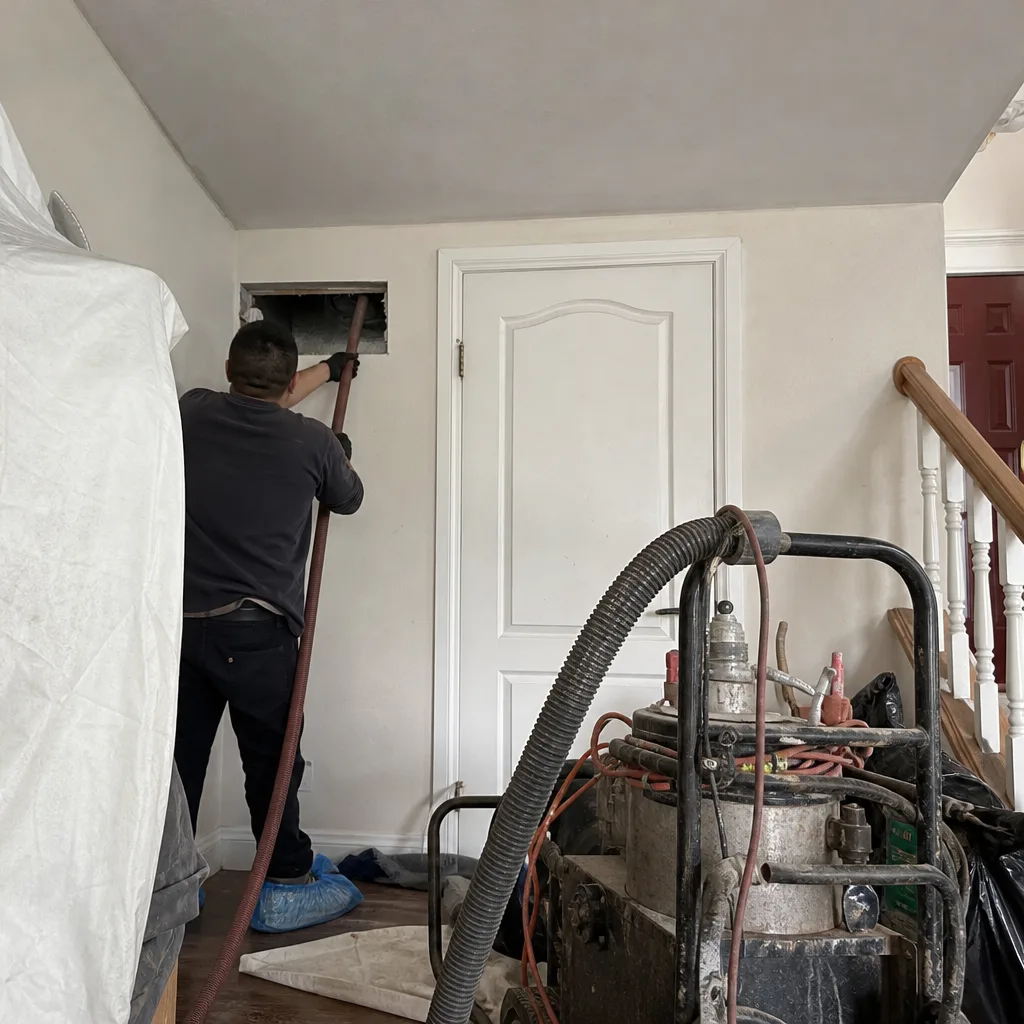
Professional Air Duct Cleaning in Sunnyvale uses a fundamentally different mechanical approach. A Rotobrush system pushes a rotating brush head down the supply run from the register opening. The brush scrubs the duct walls while a concurrent vacuum pulls at high CFM from the same access point. This simultaneous agitate-and-collect action is what removes the debris layer. It’s not just more powerful. It’s mechanically different from anything a hardware store sells. Nikro HEPA negative-pressure units connect at the plenum and pull a vacuum across the whole system while brushes work individual runs. The ductwork stays under negative pressure the entire time, which means loosened particles travel toward the collection unit, not into your living room.
Why Negative Pressure Is the Requirement, Not a Preference
In our experience across hundreds of Sunnyvale homes, the single biggest misconception about duct cleaning is this: suction alone equals cleaning. It doesn’t. You need suction that creates negative pressure across the entire duct system while agitation happens inside the runs. Here’s why.
Dust, pollen, construction debris, insulation fibers, and pet dander don’t sit loosely on duct surfaces. Over years of heating and cooling cycles, they compact and adhere to the metal or flex duct liner. A brush or air blast dislodges this layer. What happens next depends entirely on the pressure environment. If the duct is sealed except for one access point, and a professional HEPA unit is pulling 2,000-plus CFM from that point, dislodged particles have one exit: into the collection system. The negative pressure acts like a conveyor belt.
Dip into how the physics works. A system under positive pressure (air pushed in) will send whatever gets loosened into every available path: the open register, the return vents, the HVAC cabinet, your air handler. Without containment, DIY agitation actually introduces decades of accumulated dust into your home’s indoor air. That’s worse than not cleaning at all. Professional HEPA systems create the containment that makes agitation safe and effective. A consumer shop vac, even a powerful one, creates neither the CFM nor the ambient negative pressure required.
DIY Tasks That Genuinely Complement Professional Service
None of this means you should put down the screwdriver and step away from your HVAC system entirely. There are specific tasks a careful homeowner handles well, and they meaningfully extend the life of a professional cleaning. These are the things we tell Sunnyvale customers to do themselves, and we cover additional tips in more guides & resources.
- Supply register cleaning. Remove the register face, wipe with a damp cloth, vacuum the visible boot lip. Do this twice a year. It’s a 5-minute task per room.
- Filter replacement. Check your filter monthly during peak cooling months (July through September in Sunnyvale’s summer heat) and replace every 1 to 3 months. Use a MERV 8 to MERV 11 filter for balanced filtration and airflow. Higher MERV ratings can restrict airflow and strain your blower motor.
- Boot-connection inspection. Remove the register and look for visible gaps where the boot meets the drywall or subfloor. A $4 tube of mastic sealant closes small gaps and prevents conditioned air from leaking into wall cavities.
- Dryer vent lint removal at the exterior cap. The exterior termination point is the most dangerous part of your dryer vent system. Clear visible lint from the cap and vent opening monthly. This is a fire-prevention habit, not a cosmetic one. Your dryer vent is a fire risk without regular cleaning at both ends.
These four tasks are within homeowner capability, they’re safe when done properly, and they address the parts of your HVAC and ventilation system that require the most frequent attention. They don’t replace professional cleaning, but they slow accumulation between visits and catch problems early.
When DIY Attempts Make Professional Cleaning Harder
Here’s a truth nobody in the duct cleaning industry advertises: a failed DIY attempt can leave your system in worse shape than before you started. We’ve encountered specific scenarios in Sunnyvale homes where homeowner intervention created new problems.
Compressed debris plugs. When you push a brush into a supply run that still contains loose debris, and you don’t have meaningful suction pulling as you go, the brush acts like a ramrod. It compresses debris into a dense plug at the end of your reach or at the first 90-degree elbow in the run. A plug 5 feet into a supply run requires professional equipment to reach, break up, and extract. It’s one of the most common problems we encounter after DIY attempts.
Disturbed flex duct liner. Many Sunnyvale homes built in the 1970s through 1990s have flex duct supply runs. The interior liner of old flex duct becomes brittle with age. Aggressive DIY brushing can tear or dislodge that liner, which then blocks airflow or becomes a source of loose insulation fibers in your conditioned air. Duct repair in this situation requires a specialist.
Improperly reseated registers. After removing registers for cleaning, homeowners sometimes force a misaligned register back into a boot, bending the boot flange or stripping the screw holes. A register that doesn’t sit flush creates airflow turbulence, noise, and a new dust trap at the opening. Small mistake, ongoing consequences.
Disconnected runs. Flex duct connects to hard pipe or boots with zip ties and mastic at connection points. Those connections have a service life. If a section of flex duct is pulled, twisted, or yanked during a DIY attempt, the connection can separate entirely. You’ll lose conditioned air into an attic or crawlspace and won’t know until your energy bill arrives.
The Sunnyvale Decision Matrix: Four Variables That Determine Your Path
This is the practical section. If you’re trying to decide between DIY and professional service right now, work through these four variables. They’re the same four we use when advising Sunnyvale customers, and you can find How to Hire an Air Duct Cleaning Contractor in Sunnyvale: A Step-by-Step Guide if you need help selecting the right pro.
- House age. Homes built before 1990 in Sunnyvale’s older neighborhoods (Ortega Park, Heritage District, Cherry Chase) likely have 30-plus-year-old duct systems. The ductwork has had decades to accumulate debris, and the materials may be nearing replacement. Pre-1990 homes should lean professional. Homes built after 2010 may have less accumulation, but construction debris from the original build is common.
- Last professional cleaning date. If the system has never been professionally cleaned and the home is more than 10 years old, DIY is not a substitute. You’re not cleaning a system with 10 years of accumulation using a shop vac. Professional service is the only realistic path.
- Mold or rodent evidence. This one is non-negotiable. If you smell musty air when the HVAC runs, see visible mold growth around register openings, or find rodent droppings in the return plenum, DIY is done. These are contamination scenarios that require HEPA containment and sanitization protocols. Abatement Technologies equipment is designed for this level of remediation. Call a professional. See Air Duct Repair in Sunnyvale for damage scenarios.
- Post-event contamination. Renovation dust (especially drywall sanding), smoke exposure, or water intrusion events introduce debris throughout the full system, not just at register faces. This is whole-system contamination requiring whole-system extraction.
Your Decision in Plain Language
- Choose DIY when the home is newer, the system was professionally cleaned within the last 3 to 5 years, and you’re doing monthly or seasonal maintenance tasks.
- Choose professional when the home is older, the system has never been cleaned, contamination evidence exists, or a renovation/smoke event occurred.
- Mix both for most Sunnyvale homeowners: DIY for register faces and filter changes, professional for the interior system every 3 to 5 years.
What Each Path Actually Costs in Sunnyvale
The DIY-versus-professional decision ultimately comes down to what you’re willing to spend and what outcome you expect. Let’s look at real numbers for the Sunnyvale market.
DIY Costs
- Shop vac (consumer-grade): $80 to $150
- Dryer vent brush kit (15-foot reach): $25 to $50
- HVAC-rated filters (mid-MERV): $15 to $30 each, replace every 1 to 3 months
- Register cleaning supplies: Under $20
Total DIY investment for maintenance-level work: roughly $150 to $250 upfront, then recurring filter costs. What you’re buying is maintenance of accessible surfaces, not cleaning of the full system.
Professional Air Duct Cleaning in Sunnyvale
- Standard single-system cleaning (typical 1,500 to 2,500 sq ft home): $450 to $800 for the full system, including supply and return runs, trunk lines, and the plenum
- Dryer vent cleaning: $75 to $125 when bundled with duct cleaning; standalone dryer vent service runs $150 to $250
- Duct repair work: Variable. A separated flex run connection repair starts around $150 to $300. Replacing sections of damaged ductwork runs higher depending on accessibility.
These are whole-system prices, not per-vent pricing. If a company quotes per-vent pricing, that’s a red flag for bait-and-switch billing. Professional service should quote one flat price per system before work begins.
The value comparison: $250 in DIY equipment never reaches the main trunk line. $600 in professional service cleans the entire system, includes HEPA filtration throughout the process, and leaves before-and-after photo documentation so you can verify what was done.
The Post-Event Exception: Renovation, Smoke, and Rodents
There are situations where the decision isn’t a choice. When a specific event introduces contamination across the entire system, professional service is the only option that meets basic health and safety standards. Here’s what those scenarios look like in Sunnyvale.
Renovation dust. Drywall sanding produces silica dust fine enough to pass through most filters. It settles inside supply runs, on blower motor blades, and within the return plenum. This isn’t visible from the register. If you’ve completed a remodel with drywall work, assume the system is contaminated throughout.
Smoke exposure. Sunnyvale’s wildfire seasons have brought smoke infiltration into local HVAC systems. Smoke particles smaller than 2.5 microns bind to duct surfaces and create persistent odor. A HEPA-equipped professional cleaning is the only method that extracts these fine particles.
Rodent activity. Rats and mice are common in Sunnyvale crawlspaces. Their droppings and urine in the return plenum present a biohazard. This requires containment during cleaning, not just extraction. Professional Dryer Vent Cleaning in Sunnyvale addresses the dryer side of this issue, but full ductwork requires full-system remediation.
After any of these events, DIY methods will be inadequate. The contamination source is distributed across the entire duct system. The extraction method must be equally distributed.
Common Mistakes to Avoid
- Assuming visible registers indicate system condition. A clean register face says nothing about what sits 20 feet deeper in the supply run. We’ve seen pristine-looking homes in Sunnyvale’s newer developments with significant debris in the trunk line from construction.
- Using a leaf blower aimed into a register. This method pressurizes the system and forces accumulated dust through every gap, seam, and return vent into the house. It makes things worse, guaranteed.
- Buying into the “duct cleaning is a scam” narrative without checking your own system. That narrative comes from low-integrity operators using bait-and-switch pricing, not from the legitimacy of the service itself. Remove a register and shine a flashlight into your own supply run before making a decision. Evidence over opinion.
- Choosing the cheapest quote without asking what equipment they use. If the company can’t name the equipment brand and model when asked, they’re likely running a shop vac off a truck. Not the same service.
- Ignoring the dryer vent because “the dryer works fine.” Slow drying and reduced airflow are late-stage symptoms. By the time you notice, lint has been accumulating for months or years. Your dryer vent is a fire risk without regular cleaning. Treat it like the fire-prevention measure it is.
- Skipping filter replacement while waiting for a professional appointment. A clogged filter forces your blower to work harder and can push debris deeper into the system. Replace the filter before your cleaning date.
- Postponing duct cleaning because the system still “works.” HVAC function and HVAC hygiene are different things. A system can operate with significantly restricted airflow and accumulated debris for years before failure. By then, repair costs dwarf cleaning costs.
See the difference
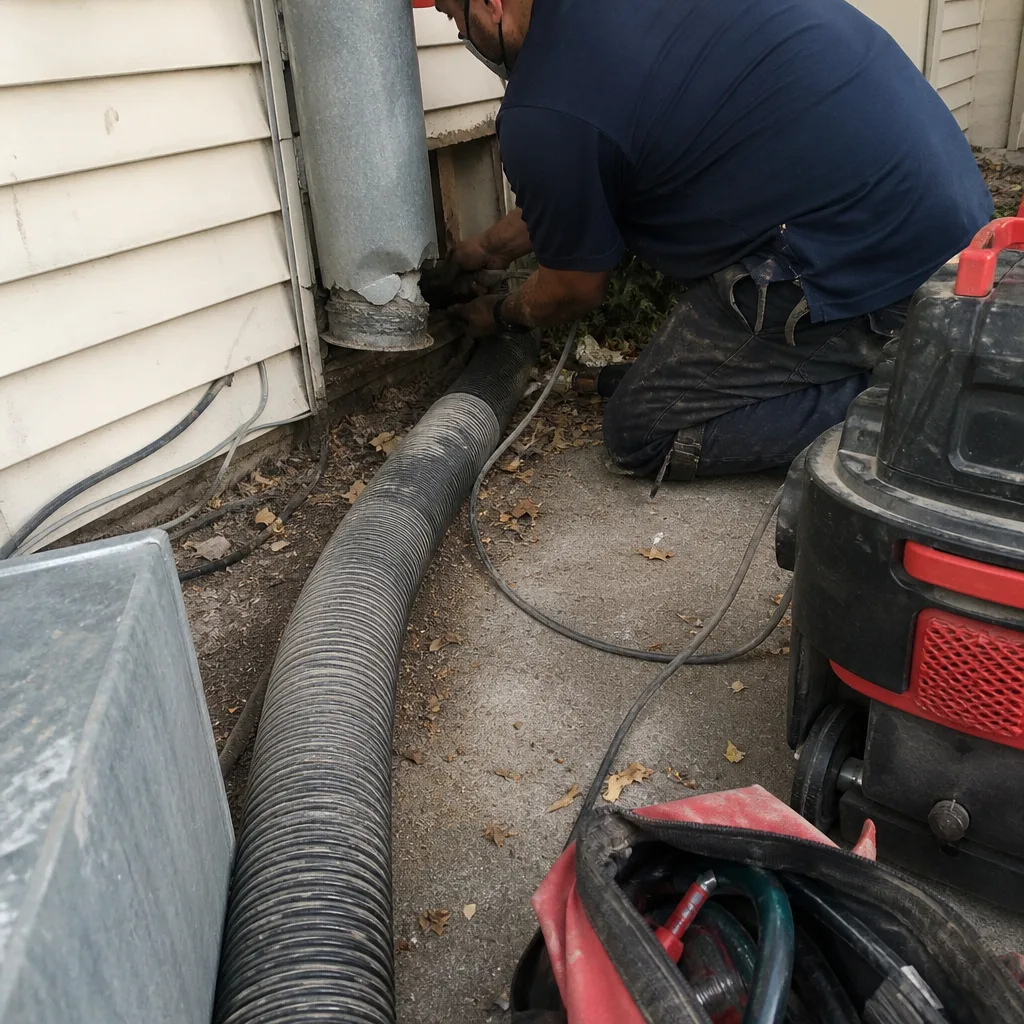 Before
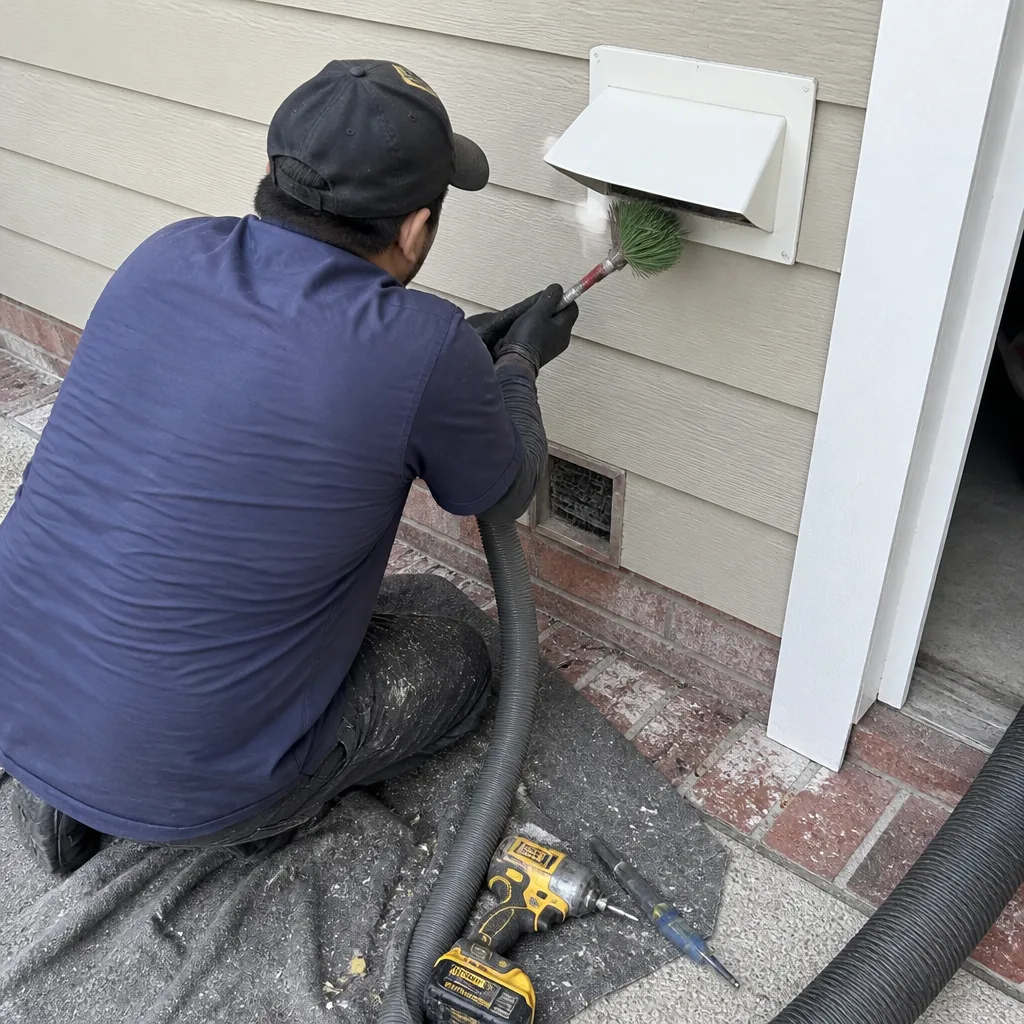 After
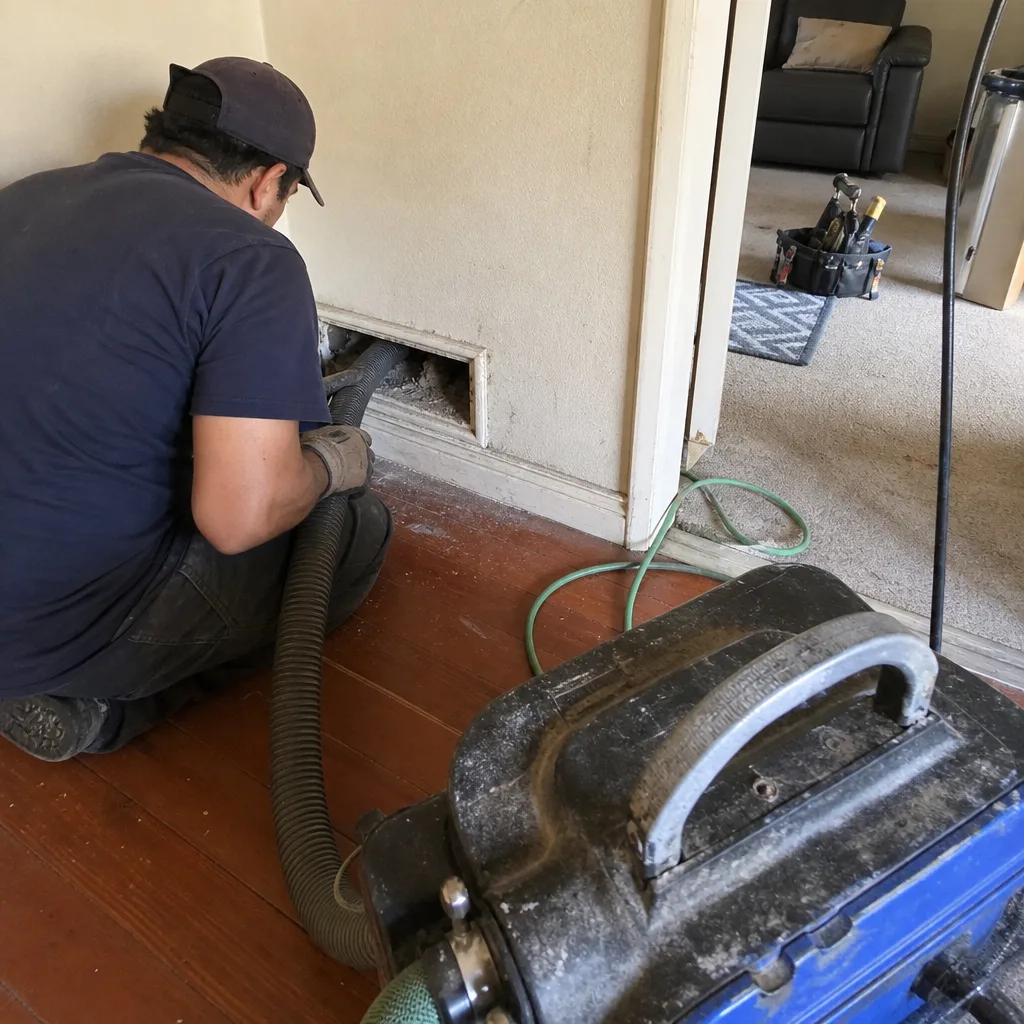 Before
 After
 Before
 After
When to Call a Professional
If you’ve worked through the decision matrix and any of these apply to your situation, the question isn’t whether to call someone. It’s who.
Call a professional when: your home is older than 1990 and has never had a full duct cleaning; you see visible mold growth at any register; you’ve found rodent droppings in or near the return plenum; you’ve completed a renovation with drywall work; smoke from wildfire season has permeated the system; you find standing water or moisture staining around the air handler; or a previous DIY attempt left you with compressed debris you can’t reach. Duct Cleaning Sunnyvale offers free estimates in Sunnyvale. Call (866) 593-7291 and we’ll assess your system using professional-grade Rotobrush and Nikro HEPA equipment.
Frequently Asked Questions
Professional air duct cleaning in Sunnyvale typically costs between $450 and $800 for a standard single-family home system. Duct Cleaning Sunnyvale charges one flat price per system based on square footage and system configuration, not per vent. Call (866) 593-7291 for a free estimate specific to your home.
You can clean the accessible portions of your HVAC system yourself, specifically register faces, visible boot openings, and the first few inches inside supply runs. You cannot clean the main trunk line, return plenum, or deeper supply runs with consumer equipment. Those sections require professional negative-pressure systems running at 2,000-plus CFM.
Cheap quotes typically mean the company is running consumer-grade equipment with minimal airflow, which cannot create the negative pressure required for legitimate cleaning. They may also quote a low teaser price per vent and inflate the final invoice on site. Ask for the equipment brand and model before booking. Professional-grade systems like Rotobrush and Nikro HEPA units cost $8,000 to $50,000. Companies using that equipment charge accordingly.
Most Sunnyvale homes need professional duct cleaning every 3 to 5 years. Homes with multiple pets, smokers, recent renovation history, or residents with respiratory conditions may need service every 2 to 3 years. See our Seasonal Air Duct Cleaning Care for Sunnyvale: Year-Round Homeowner’s Guide for a full maintenance calendar. Between professional cleanings, replace filters monthly during peak cooling season and clean register faces quarterly. Call us at (866) 593-7291 if you’re unsure whether your home is due. We’ll help you assess without pushing a service you don’t need.
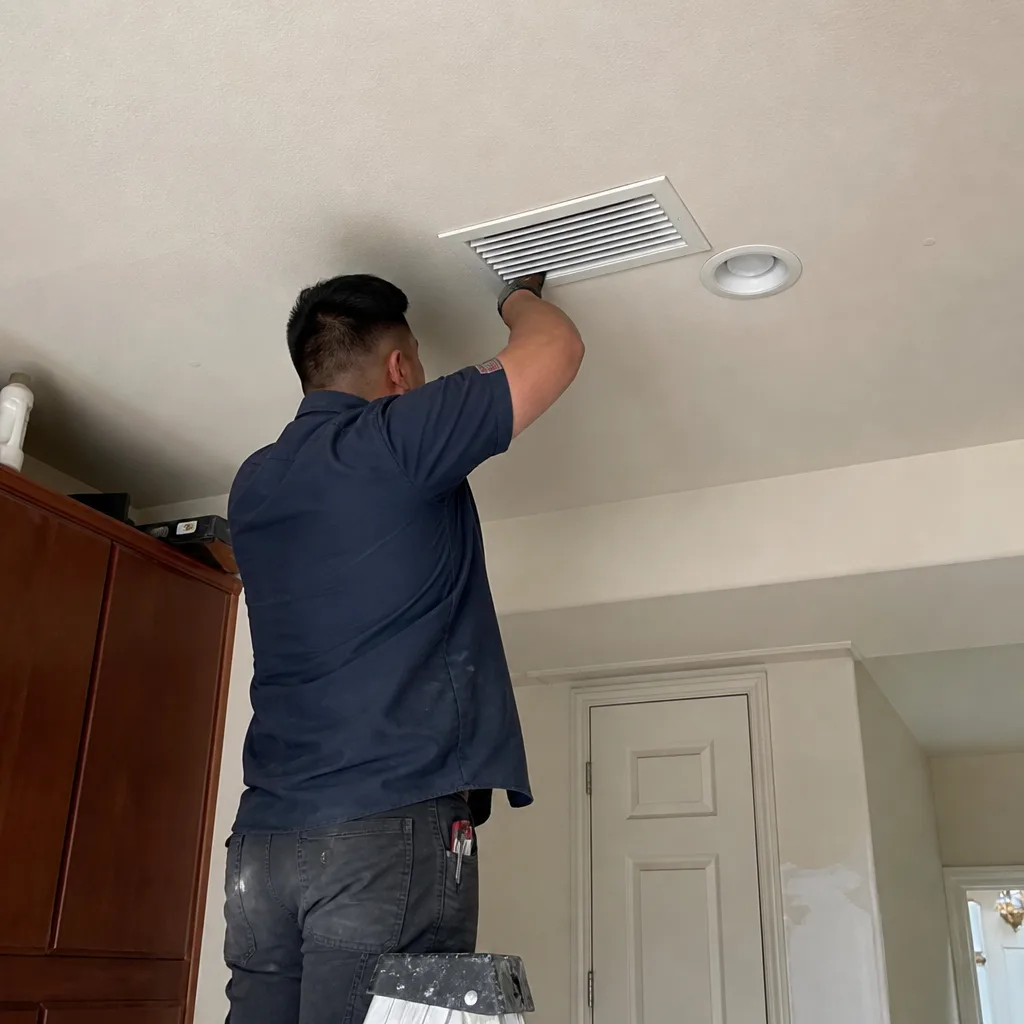
Ask for before-and-after photo documentation of the interior of your ductwork. A legitimate professional company photographs the trunk line and supply runs before and displays the same angles after. Duct Cleaning Sunnyvale provides this documentation as standard practice. If a company refuses or makes excuses, that’s your signal to walk away.
DIY dryer vent cleaning works for the first few feet from the exterior cap if your vent run is short and straight. Most Sunnyvale homes have vent runs of 10 to 30 feet with bends, where consumer brush kits cannot reach the full path. The majority of lint fires start mid-run where a brush can’t reach. Professional dryer vent cleaning addresses the full run and is a fire-safety measure, not an add-on.
The Bottom Line
The DIY-versus-professional question ultimately isn’t about willingness or effort. It’s about reach and physics. Consumer equipment tops out at 15 to 20 feet of reach and roughly 150 to 200 CFM of airflow. The debris that matters sits 20 to 50 feet inside your duct system, compressed against trunk walls and return plenums, where only professional systems operating at 2,000-plus CFM with simultaneous agitation and containment can extract it. Sunnyvale homeowners should DIY the maintenance tasks (registers, filters, exterior dryer caps) and hire a professional for what those tasks cannot reach. The smart approach uses both. For whole-system cleaning, repair, and dryer vent fire prevention in Sunnyvale, explore our full service offerings at the Duct Cleaning Sunnyvale home page.
Written by the team at Duct Cleaning Sunnyvale, serving Sunnyvale since 2015.