
Last updated November 2, 2026
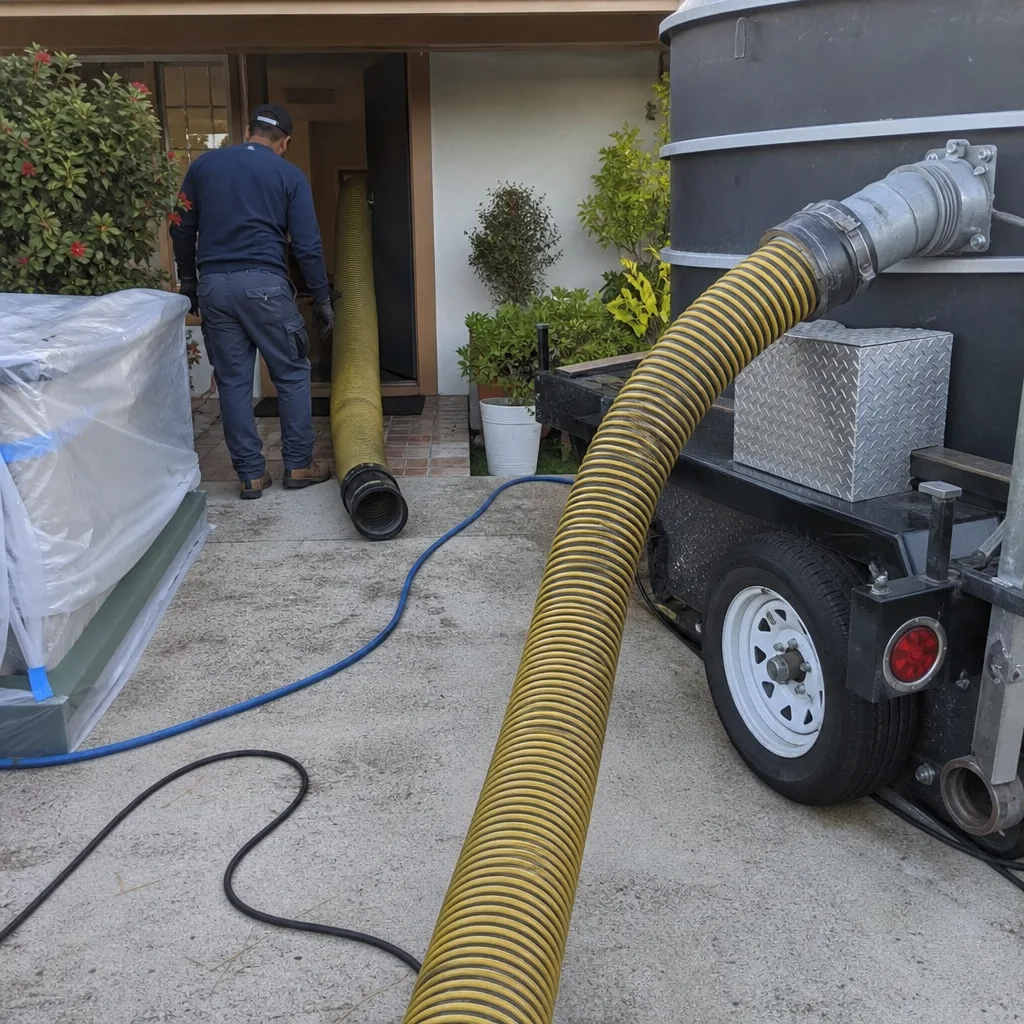
 Whole-home duct cleaning
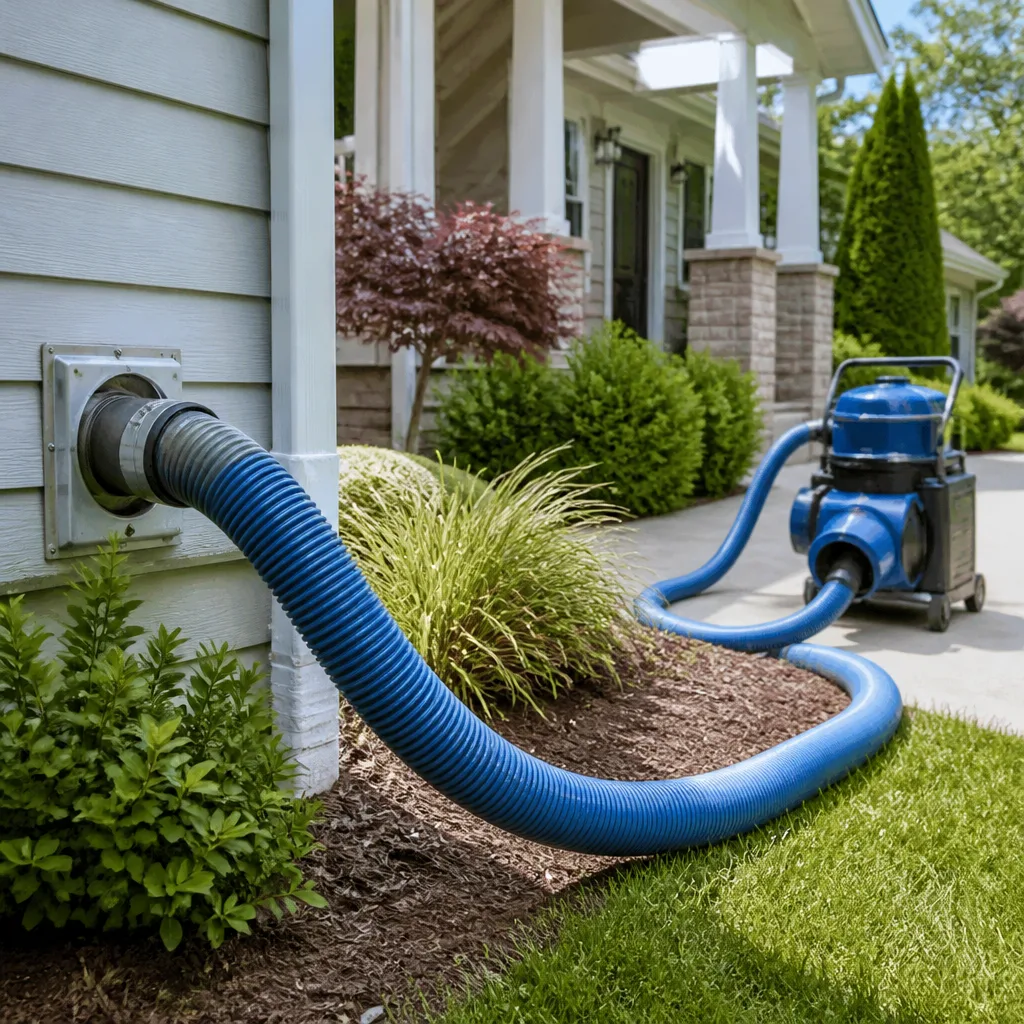
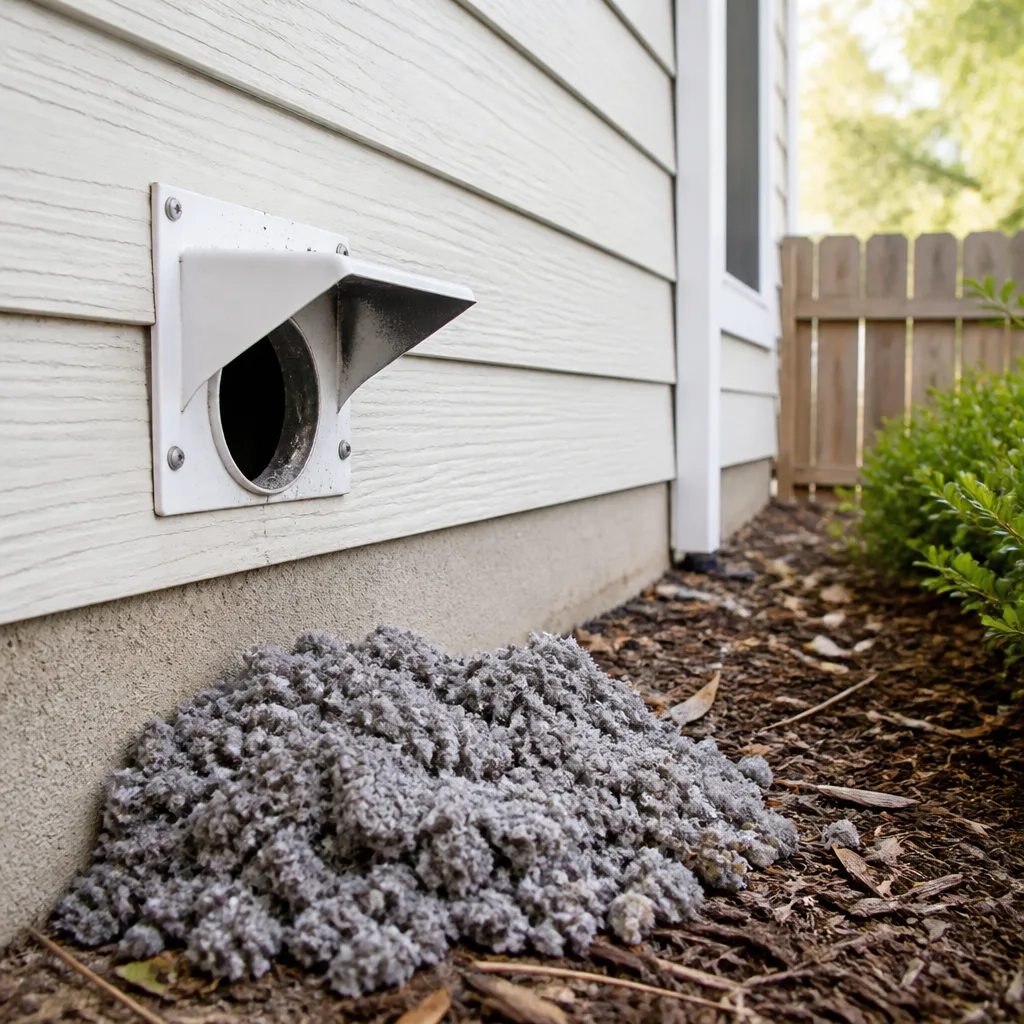 Dryer vent cleaning
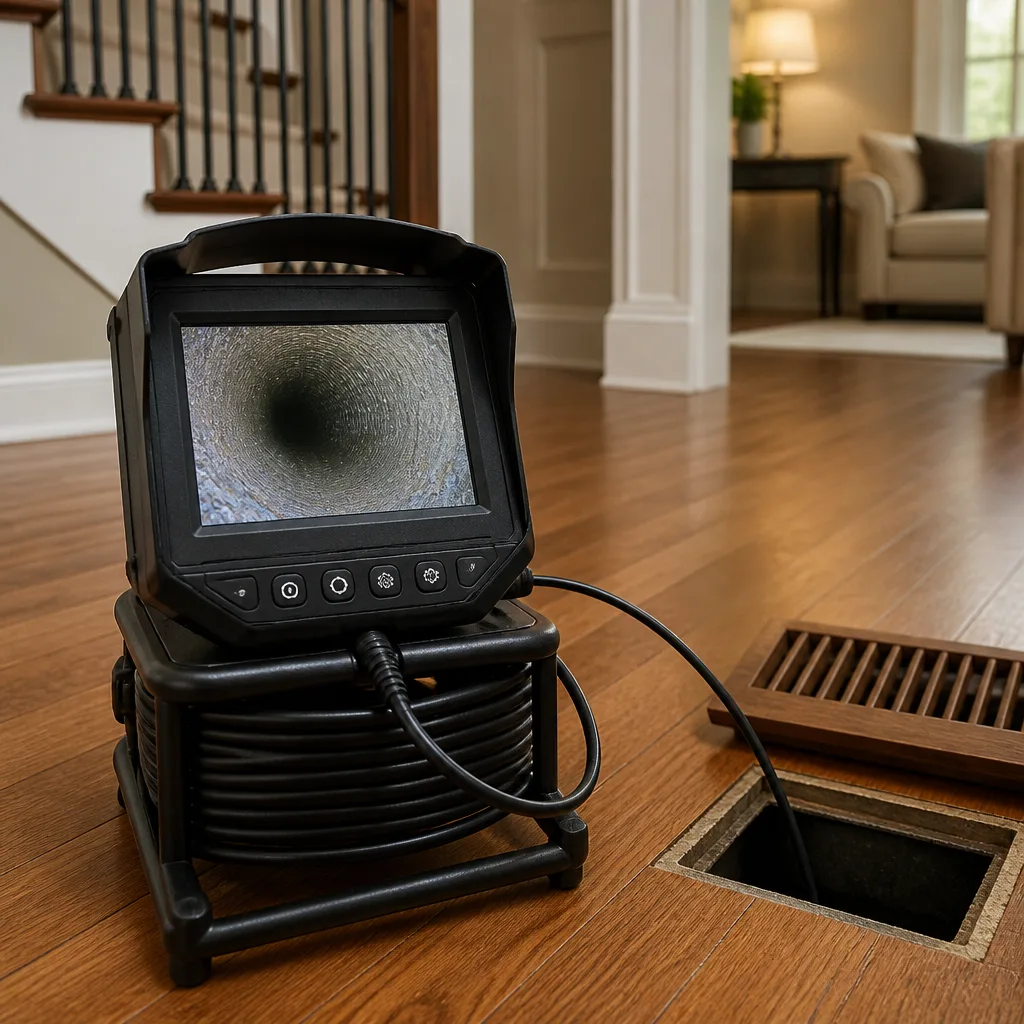 Camera inspection
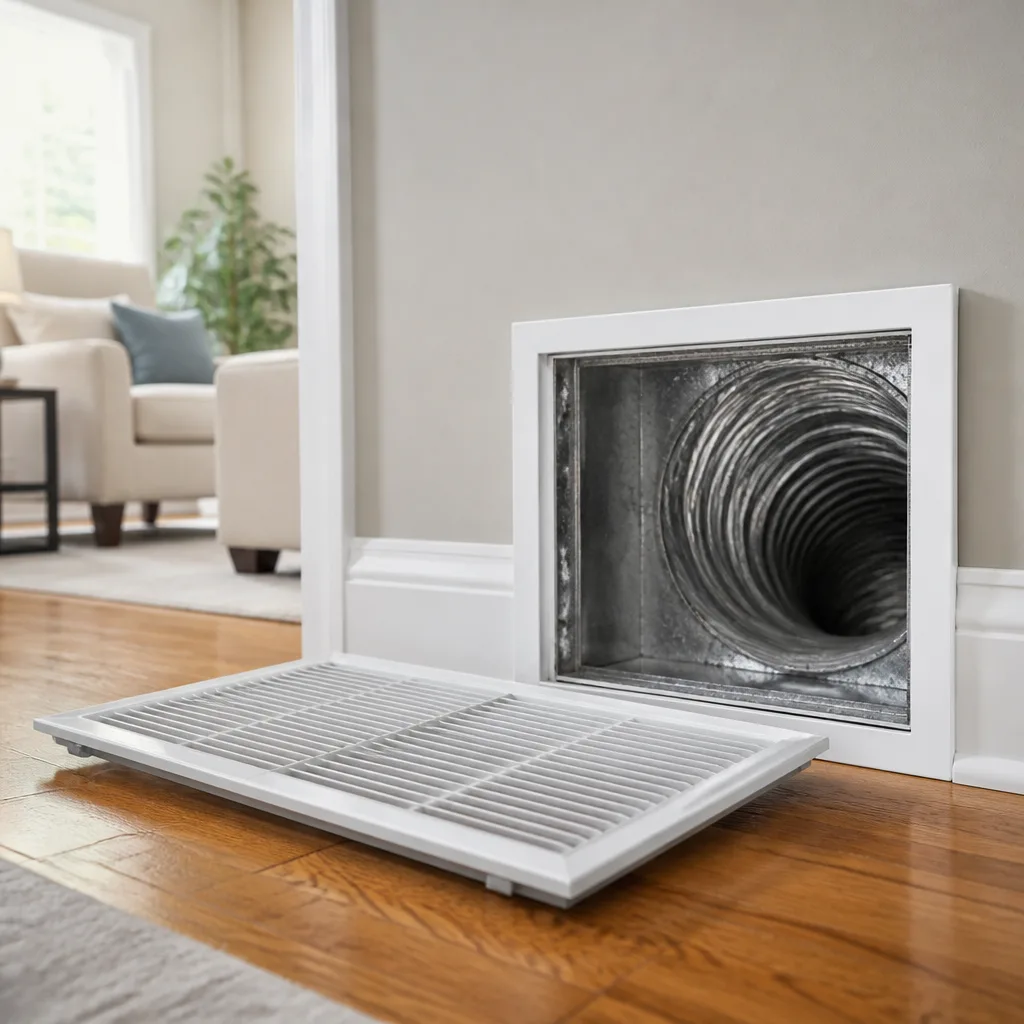 Sanitizing & deodorizing
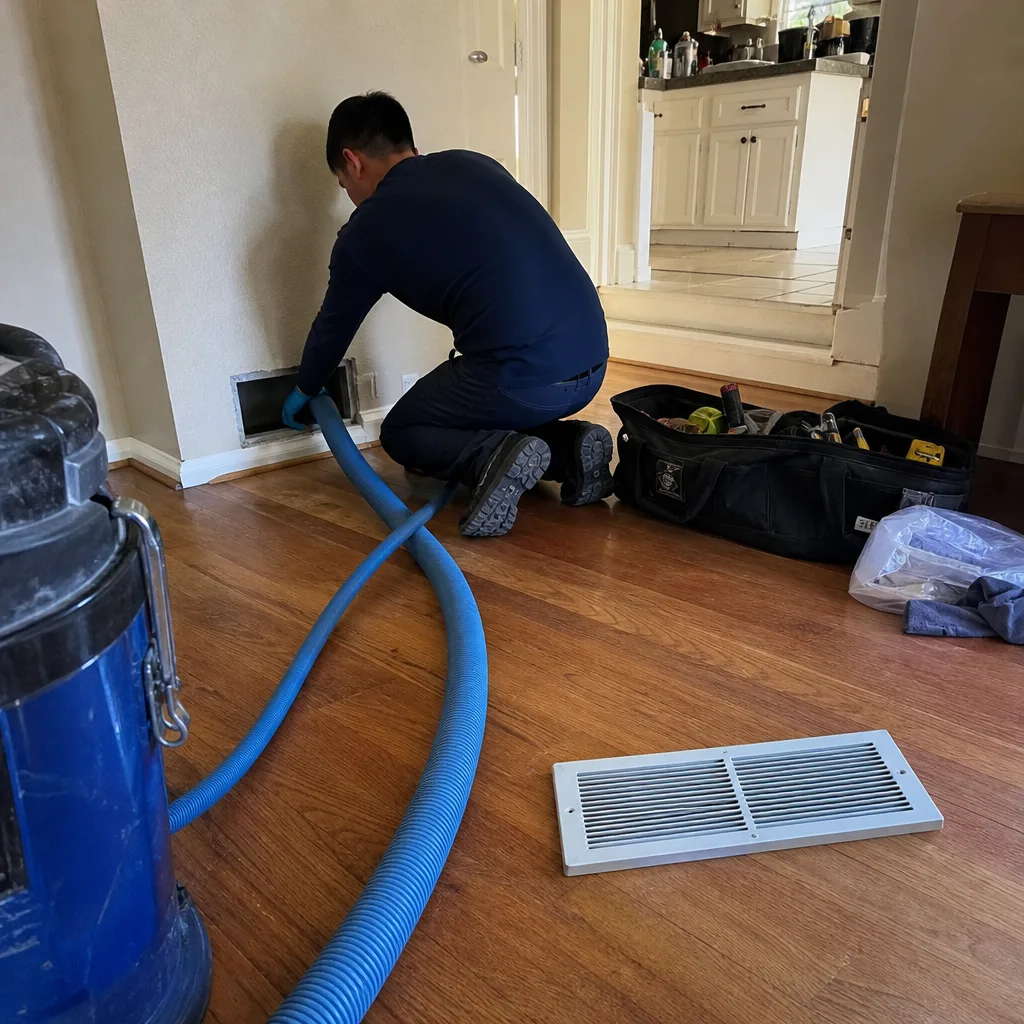
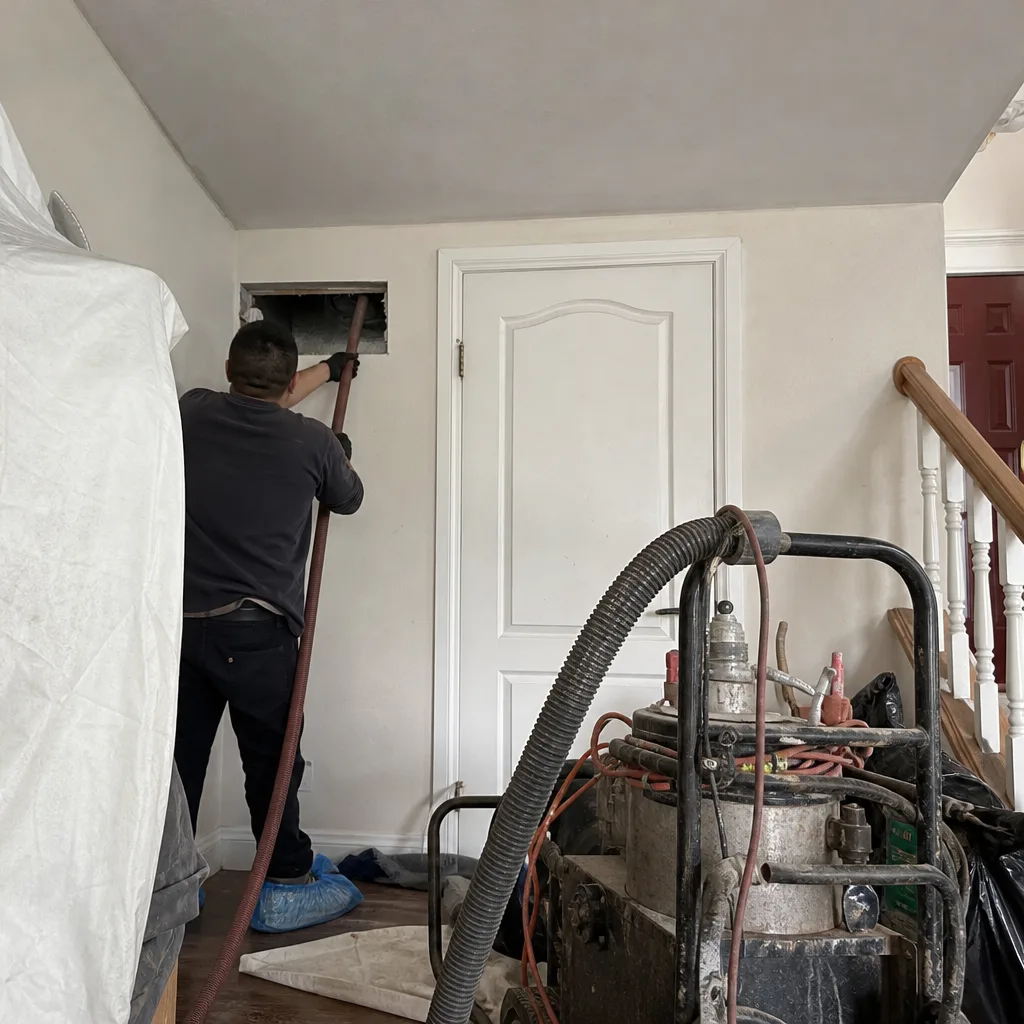
Whole-system duct and dryer vent check with before-and-after photos - you see exactly what came out of your vents
That "$99 whole-house special" is a bait ad - the real number appears once they are in your hallway, or the "clean" is a shop-vac at the register. We photograph the inside of your ducts before and after instead.
Choosing the Right Air Duct Cleaning Brand: A Buyer’s Guide for Sunnyvale
Rotobrush and similar contractor-grade rotary brush systems were originally engineered for commercial HVAC applications, not residential homes. The same mechanical agitation that clears a 20,000-square-foot office building’s ductwork happens to be exactly what a flex-duct residential system in Sunnyvale needs, where compressed-air whip methods used by budget operators leave behind a film of fine particulate that re-enters your living space within weeks. Our Complete Air Duct Cleaning Guide for Sunnyvale Homeowners explains the three cleaning system types, what HEPA certification actually means, how to verify a contractor’s equipment claims, and why owning equipment matters more than most homeowners realize. By the time you finish reading, you’ll know more about evaluating air duct cleaning equipment than most contractors expect you to.
Styles & brands we work with
- Whole-home duct cleaning
- Dryer vent cleaning
- Camera inspection
- Sanitizing & deodorizing
Quick Answer
The right Air Duct Cleaning services in Sunnyvale comes down to equipment type, not marketing polish. Look for a contractor using rotary brush extraction systems (like Rotobrush) paired with HEPA-rated negative air collection (like Nikro), ask whether they own their equipment or rent it, and verify their brand claims against manufacturer dealer locators before booking. Avoid compressed-air-only operators and anyone who can’t name the collection unit they’ll park in your driveway.
Table of Contents
- The Three Air Duct Cleaning System Types, Explained
- Nikro, Abatement Technologies, and What HEPA Really Means in Duct Cleaning
- Honeywell, Aprilaire, and the Air Quality Equipment Conversation
- Why Equipment Ownership Changes Service Quality
- How to Verify a Contractor’s Equipment Claims in Five Minutes
- What Sunnyvale Homeowners Should Know About Their Ducts
- Cleaning Is Step One: The Repair Conversation Nobody Has
- Common Mistakes to Avoid
- When to Call a Professional
- Frequently Asked Questions
- The Bottom Line
The Three Air Duct Cleaning System Types, Explained
Every air duct cleaning method falls into one of three categories. Once you understand what each one does to the inside of your ducts, you can evaluate any contractor’s pitch in about thirty seconds.
Contact Vacuum Systems
Contact vacuum is the entry-level approach. A technician uses a high-powered vacuum hose (sometimes attached to a truck-mounted unit, sometimes a portable one) and runs it through the ducts by hand. It removes loose dust and debris sitting on the duct floor, but it cannot dislodge anything adhered to the duct walls. Think of it as vacuuming a carpet without a beater brush: you get the surface debris, but the embedded particulate stays put. Contact vacuum is adequate for light maintenance in homes with minimal dust accumulation, but it underperforms in Sunnyvale homes where forced-air heating runs for several months each year and compacts debris onto duct surfaces.
Where it underperforms: flex-duct residential systems with textured interior surfaces, ducts with visible dust caking, homes with pets or recent construction, and any system that hasn’t been cleaned in five or more years.
Rotary Brush Systems (Rotobrush and Competitors)
Rotary brush platforms combine mechanical agitation with vacuum collection. A motorized brush head rotates inside the duct, physically scrubbing the walls while a vacuum extracts the dislodged material simultaneously. Rotobrush is the most recognized name in this category because its integrated design puts brush and vacuum in one tool, which prevents loosened debris from floating back into the living space during cleaning. This is the method used by most commercial HVAC contractors because it genuinely removes adhered particulate rather than just loose debris.
Where rotary brush underperforms: it’s slower than pneumatic methods, requires a technician who understands how to navigate duct transitions and dampers without damaging flex duct, and costs more than contact vacuum. What you’re paying for is mechanical removal of embedded dust, which is the difference between a system that stays clean for a year versus one that re-soils in six weeks.
Pneumatic Agitation (Compressed Air Whips and Skipper Balls)
Pneumatic systems blast compressed air through the ductwork to dislodge debris, relying on a separate vacuum to collect it downstream. The agitation tool is typically a whip with flexible tendrils or a skipper ball that rattles through the ducts. This method is fast and inexpensive to operate, which is why budget-priced duct cleaning companies favor it. But it has a meaningful flaw in residential flex-duct systems: the agitation is chaotic rather than controlled, which means some debris gets pushed into branch runs or return cavities rather than extracted. The pressure can also stress aging flex duct connections in Sunnyvale homes built during the 1970s and 1980s, when duct sealants were less durable.
Where pneumatic underperforms: flex-duct systems with multiple bends, ducts with compromised seals, systems with visible mold or moisture damage, and any home where you want the cleaning to last. Pneumatic is also the method most associated with the low-coupon operators who quote a living-room price and then find “additional charges” once the scope becomes clear.
Key Takeaways for System Types:
- Contact vacuum: cheapest, removes loose debris only, fine for annual maintenance on clean systems
- Rotary brush (Rotobrush): commercial-grade mechanical cleaning, removes adhered particulate, best for long-lasting results
- Pneumatic whip: fast and cheap, but chaotic agitation leaves debris behind and can stress older ductwork
Our team at Duct Cleaning Sunnyvale home runs Rotobrush rotary brush extraction on every residential job because we’ve seen what pneumatic methods leave behind when we’re called in to fix someone else’s incomplete work. The difference is visible on before-and-after camera inspection, and camera inspection should be standard on any cleaning you pay for.
Nikro, Abatement Technologies, and What HEPA Really Means in Duct Cleaning
HEPA stands for High Efficiency Particulate Air, and it refers to a filter standard that captures 99.97% of particles at 0.3 microns. In duct cleaning, HEPA matters on the collection side: the vacuum unit pulling debris out of your ducts needs HEPA-level filtration to ensure the fine particulate doesn’t get exhausted back into your home. A contractor running a shop vac with a standard filter is moving dust around, not removing it.
Nikro Industries builds HEPA-rated negative air machines and duct cleaning vacuums that are standard equipment in commercial, hospital, and remediation work. When a contractor runs a Nikro unit on a residential job in Sunnyvale, they’re using the same filtration standard required for mold remediation and asbestos abatement projects. That’s a meaningful fact, because it means the air leaving the collection unit is cleaner than the air in most homes even before the work starts.
Abatement Technologies occupies a similar space, with a focus on HEPA filtration units designed for environments where air quality is a health and safety issue, not a comfort preference. The presence of Abatement Technologies equipment on a truck signals that the operator handles contaminated or compromised duct systems, not just dusty ones.
What CFM Ratings Actually Tell You
Cubic feet per minute (CFM) measures how much air a vacuum unit moves. For residential duct cleaning, you want a collection unit that can sustain at least 2,000 CFM while maintaining HEPA filtration. Below that threshold, the suction isn’t strong enough to pull dislodged debris from the far end of a long duct run before it settles back down. Commercial units from Nikro and Abatement Technologies run in the 2,000 to 4,000+ CFM range. Consumer-grade equipment runs far lower.
How to Ask a Contractor to Verify Their HEPA Claim
- Ask the model number of the collection unit they’ll bring. A legitimate contractor can answer this from memory because they own the equipment.
- Look up the model number on the manufacturer’s website. Confirm it’s listed as HEPA-rated for duct cleaning or negative air applications.
- Ask to see the filter when they arrive. A HEPA filter is thick, rigid, and typically framed in metal or dense cardboard. If it looks like a pleated furnace filter, it’s not HEPA.
- Ask where the exhausted air goes. A properly configured HEPA vacuum exhausts indoors, because the filtered air is clean enough to introduce back into the space. A contractor who wants to vent outdoors may be running a filter they don’t fully trust.
We run Nikro HEPA-rated vacuum equipment on every job because the filtration standard is the part of this work that protects your family’s lungs. The brush removes the debris; the HEPA filtration ensures it doesn’t come back.
Honeywell, Aprilaire, and the Air Quality Equipment Conversation
A thorough duct cleaning should lead to a conversation about whole-home air quality, and the brands your contractor knows tell you something about their depth. For more guides & resources, see our blog. Here’s the landscape as we work with it in Sunnyvale.
Honeywell builds whole-home electronic air cleaners and media filtration cabinets that replace standard 1-inch furnace filters with 4- and 5-inch media filters. A 5-inch media filter captures more particulate per pass and lasts six to twelve months instead of one to three. The difference in filtration surface area is substantial, and in a Sunnyvale home with forced-air heating running from November through March, that means measurably less dust accumulation on surfaces.
Aprilaire splits its product line into two categories that often get confused. Aprilaire air purifiers are whole-home filtration systems installed in the ductwork, using media filters or electronic air cleaners. Aprilaire humidifiers are a separate line: whole-home humidification systems that add moisture to the air during dry winter heating months. The distinction matters because a contractor who recommends a humidifier when you asked about filtration is either confused or selling what they have in stock. In Sunnyvale’s Mediterranean climate, whole-home humidification is rarely necessary the way it is in Minnesota or Arizona, but whole-home filtration is valuable anywhere with forced-air systems.
Abatement Technologies and RGF both manufacture UV germicidal systems that install in the ductwork or at the coil. UV-C light at the evaporator coil kills biological growth on the coil surface and in the condensation pan, which is where mold and bacteria actually grow in a central air system. The key variable is installation placement: a UV lamp mounted at the coil where moisture exists does meaningful work. A UV lamp mounted in the return duct where air passes in less than a second does far less. Ask where the lamp goes and why, and you’ll know quickly whether the contractor understands the technology or is just selling a line item.
Our technicians are familiar with Honeywell and Aprilaire filtration systems because most Sunnyvale homeowners we clean for want to know what happens next. Air Duct Cleaning in Sunnyvale removes what’s already in your ducts; whole-home filtration reduces what gets in from here forward. The two conversations belong together.
Why Equipment Ownership Changes Service Quality
A contractor who owns their Rotobrush or Nikro equipment has made a capital investment in the trade. A contractor who rents equipment by the day is running a different business model. Both can clean your ducts, but the incentives point in different directions.
Equipment ownership means the technician has used the same machine hundreds of times. They know its quirks, its optimal settings for different duct configurations, and when it’s not performing correctly. They also have a financial stake in maintaining the equipment, which means filter changes and servicing happen on schedule. When something breaks, they fix it, because the alternative is losing the tool that generates their income.
A contractor who rents is often newer to the trade or running duct cleaning as a side service. They’re familiar enough with the equipment to operate it, but not deeply, and rental equipment gets used by many different hands between maintenance cycles. Rental also creates time pressure: the daily rate pushes toward faster jobs, and faster jobs mean corners cut in the far reaches of the duct system.
How to ask without being confrontational: “What equipment do you run, and do you own the unit or rent it per job?” A legitimate contractor will answer directly. A contractor who hedges is telling you something worth knowing.
This is one reason we run our own Rotobrush and Nikro equipment. The investment means we’ve committed to this trade specifically, not duct cleaning as one line item on a long menu of services. In our experience, that focus shows up in the quality of the work, and our customers in Sunnyvale notice the difference.
How to Verify a Contractor’s Equipment Claims in Five Minutes
Duct cleaning is an industry with low barriers to entry and a meaningful number of operators who exaggerate their equipment. You can filter out most misrepresentation before you book with three quick steps.
- Check the manufacturer’s dealer locator. Rotobrush, Nikro, and Abatement Technologies all maintain online locators of authorized dealers and service providers. If a contractor claims to run Rotobrush equipment but doesn’t appear in the Rotobrush dealer network, that’s not automatically disqualifying, but it’s a data point. Combined with other signals, it matters.
- Search the specific model number. Ask for the make and model of the collection unit (e.g., “Nikro NE611” or “Abatement Technologies HEPA-AIRE”). Then search that model number. If it’s a commercial HEPA vacuum, you’ll find spec sheets confirming CFM ratings and filtration standards. If you can’t find the model, or the model turns out to be a consumer shop vac, you’ve learned what you need to know.
- Ask what happens with the exhausted air. A real HEPA unit exhausts indoors because the filtration removes essentially all particulate. A contractor who says they’ll vent outside through a window is using equipment that can’t pass that test. This one question catches more exaggerators than any spec sheet.
The five minutes this takes is the cheapest insurance you’ll buy for the project. A contractor who misrepresents their equipment will also misrepresent their process, their pricing, and their results.
What Sunnyvale Homeowners Should Know About Their Ducts
Sunnyvale’s climate and housing stock create specific conditions for duct cleaning that generic advice doesn’t cover. Understanding your own system helps you evaluate contractors more effectively.
Most single-family homes in Sunnyvale were built between 1950 and 1980, with a second wave of construction in the 1990s. Homes from the earlier period often have metal ductwork with interior insulation that degrades over time, releasing fiberglass particles into the air stream. Homes from the 1990s era typically have flex duct, which is more susceptible to compression, sagging, and disconnection at joints. Both scenarios matter: older metal ducts benefit from rotary brush cleaning to remove years of accumulated debris, while newer flex duct requires careful handling to avoid tearing the inner liner.
Sunnyvale’s dry summer season means dust from the surrounding hills and the valley floor enters homes through open windows and door gaps, much of it settling into the return ductwork. Then the heating season pulls that dust into the system and circulates it. Homes along El Camino Real and near the 101 and 85 freeways see heavier particulate accumulation from road dust and brake wear, which means their duct systems load up faster than homes in quieter residential pockets like the Cherry Chase or Birdland neighborhoods.
One more local factor: many Sunnyvale homes have crawl-space foundations rather than slabs, and the ductwork often runs through those crawl spaces. If the crawl space has loose insulation or pest activity, that debris enters the duct system through gaps and joints. A cleaning that doesn’t identify those entry points is a temporary fix. This is where the repair conversation comes in.
Cleaning Is Step One: The Repair Conversation Nobody Has
Most duct cleaning companies in Sunnyvale will clean your ducts and hand you an invoice. If they find damaged ductwork, disconnected runs, or collapsed flex duct, they’ll either ignore it or tell you to call an HVAC contractor. That means you’ve paid for a cleaning that won’t last, because the same gap that let debris in will let it back in within months.
This is the clean-through-repair continuum we operate on. A proper duct cleaning includes a camera inspection of the system. That inspection identifies more than dirty ducts: it identifies torn flex duct, separated joints in metal ductwork, crushed sections under crawl space debris, and pest intrusion points. All of these are repairable, and in most cases, the repair is straightforward for a technician who works on ducts specifically.
Our position is simple: we clean it. If it’s damaged, we repair it. The two services belong under one roof because the diagnosis happens during the cleaning inspection. Air Duct Repair in Sunnyvale means you don’t pay for a cleaning, learn about damage, and then start over with another company. You get one specialist who identifies the problem and fixes it in the same visit.
This is a point most homeowners don’t think to ask about before booking. “What happens if you find damage?” The answer tells you a lot about whether you’re hiring a cleaning company or a duct specialist.
Common Mistakes to Avoid
- Choosing by coupon price. A $99 whole-house duct cleaning in Sunnyvale means the operator is either doing contact vacuum only, running pneumatic agitation with a rented vacuum, or planning to upsell aggressively once they’re in the door. None of those scenarios end well. Ask what method and equipment the price includes before comparing quotes.
- Assuming all HEPA claims are equal. “HEPA filter” on a brochure means nothing without the collection unit model. Verify the model number and look up the spec sheet. A genuine HEPA unit from Nikro or Abatement Technologies is documented, and the documentation is public.
- Skipping the dryer vent conversation. Your clothes dryer vent is a fire risk without regular cleaning, and in Sunnyvale’s dry climate, lint accumulation happens faster than in humid regions. Dryer Vent Cleaning in Sunnyvale is a separate service from duct cleaning, and it’s a fire prevention measure, not an upsell. Homes with longer dryer vent runs (common in larger Sunnyvale lots and second-floor laundry rooms) need cleaning more frequently.
- Accepting a cleaning with no camera inspection. If the contractor can’t show you before-and-after images of your own ductwork, you can’t verify anything. Camera inspection equipment is standard on professional-grade jobs. No camera means no accountability.
- Treating all rooms as equal. Some duct cleaning quotes only cover the main trunk line and ignore branch runs to individual rooms. Confirm the scope includes every vent in the home, including return registers, before you book.
- Waiting for a problem to appear. By the time you see visible dust blowing from vents or smell musty air when the system runs, the ductwork has been accumulating for years. Routine cleaning every three to five years (depending on the factors in the Sunnyvale section above) is cheaper than remediation later.
- Ignoring the filter conversation. The duct cleaning is complete, but your standard 1-inch filter is putting back what the cleaning removed. Ask your contractor about whole-home filtration options from Honeywell or Aprilaire while they’re still in the driveway.
When to Call a Professional
If you’re seeing dust accumulate on surfaces within days of cleaning your home, that’s a sign the duct system is releasing particulate back into the living space. If one room stays consistently dustier than others, or a particular vent blows noticeably weaker than it used to, you may have a disconnected or crushed duct run. If anyone in the home has unexplained allergy symptoms that worsen when the heat runs, it’s time for an inspection. Musty odors when the system cycles on point to biological growth that won’t clear up on its own. None of these situations improve with time. Duct Cleaning Sunnyvale offers free estimates in Sunnyvale; call (866) 593-7291 and we’ll assess the situation with a camera inspection before any cleaning begins.
Frequently Asked Questions
Professional duct cleaners in Sunnyvale primarily use rotary brush extraction systems like Rotobrush paired with HEPA-rated vacuum collection units from brands like Nikro and Abatement Technologies. Rotary brush systems physically scrub duct walls while the HEPA vacuum collects dislodged debris at 99.97% filtration efficiency, preventing particulate from re-entering the home. Budget operators use compressed air whips or contact vacuum only, which leave adhered debris behind.
For residential flex-duct systems, Rotobrush and similar rotary brush platforms remove measurably more adhered particulate than compressed air methods because the brush head makes physical contact with the duct surface while vacuuming simultaneously. Compressed air agitation is chaotic and pushes debris into branch runs rather than extracting it. In our experience cleaning Sunnyvale homes, rotary brush results last significantly longer before resoiling occurs. Call (866) 593-7291 to discuss which method fits your system.
Ask for the collection unit’s make and model number, then search that model on the manufacturer’s website to confirm HEPA certification. A legitimate contractor answers the question instantly because they own the equipment. Also ask where the exhausted air goes: a true HEPA unit vents indoors because the filtered air is clean enough to introduce back into the home. If a contractor says they’ll vent outside through a window, their filtration isn’t up to the standard they’re claiming.
Equipment ownership signals commitment to the trade and deep familiarity with the machine’s operation, maintenance, and optimal settings. Rental equipment is used by many different hands between maintenance cycles and creates time pressure from daily rental fees, which pushes toward rushed jobs. Ask the question directly: “Do you own your equipment or rent it per job?” The answer tells you about the business model behind the quote.
Aprilaire air purifiers are whole-home filtration systems installed in the ductwork that use media filters or electronic air cleaners to capture particulate. Aprilaire humidifiers are a separate product line that adds moisture to the air during dry heating months. In Sunnyvale’s Mediterranean climate, whole-home filtration is worth considering but whole-home humidification is rarely necessary. A contractor who confuses the two is not deeply familiar with the product line.
Professional air duct cleaning in Sunnyvale typically ranges from $350 to $650 for a whole-home system, depending on home size, number of vents, system complexity, and the method used. Rotary brush cleaning with HEPA collection runs at the higher end because it removes more material and takes longer. Contractors quoting under $200 are almost certainly doing contact vacuum only or planning aggressive upsells. Call (866) 593-7291 for an exact quote on your Sunnyvale home; estimates are free.
No, air duct cleaning and dryer vent cleaning are separate services with different tools and different purposes. Air duct cleaning addresses the HVAC distribution system, while dryer vent cleaning removes accumulated lint from the dedicated exhaust line as a fire prevention measure. In Sunnyvale’s dry climate, dryer lint accumulates quickly and poses a genuine fire risk. Ask whether the contractor handles both, because the same camera inspection equipment applies to both services.
Ask before booking what the contractor does if they find damaged ductwork during the cleaning inspection. Most cleaning-only companies will note the damage and refer you elsewhere, which means you’ve paid for a cleaning that won’t last. A duct specialist who offers cleaning and repair handles the fix in the same visit. The right answer to this question is “we fix it on the spot, and we’ll show you the camera footage.”
The Bottom Line
Evaluating an air duct cleaning contractor in Sunnyvale comes down to three things: the cleaning method (rotary brush beats pneumatic agitation in residential flex duct), the collection filtration (HEPA-rated units from Nikro or Abatement Technologies are the standard to ask for), and the contractor’s ownership stake in their equipment. Verify brand claims with manufacturer dealer locators and model number searches, ask what happens if they find damage, and don’t let a coupon price override what you now know about the methods. Duct Cleaning Sunnyvale home runs Rotobrush and Nikro equipment on every job, and we handle the repair conversation most cleaners avoid. Call (866) 593-7291 for a free estimate and a camera-backed assessment of your system.
Written by the team at Duct Cleaning Sunnyvale, serving Sunnyvale since 2015.
See the difference
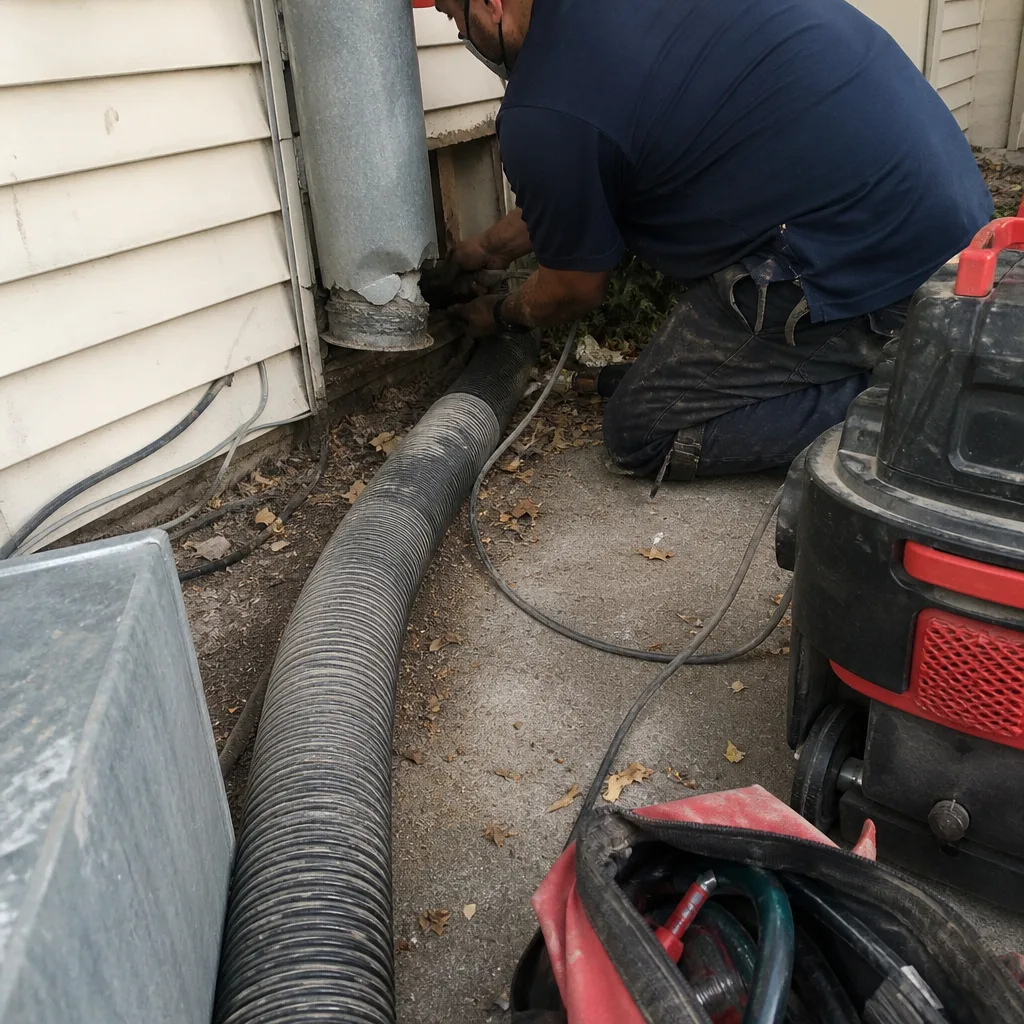 Before
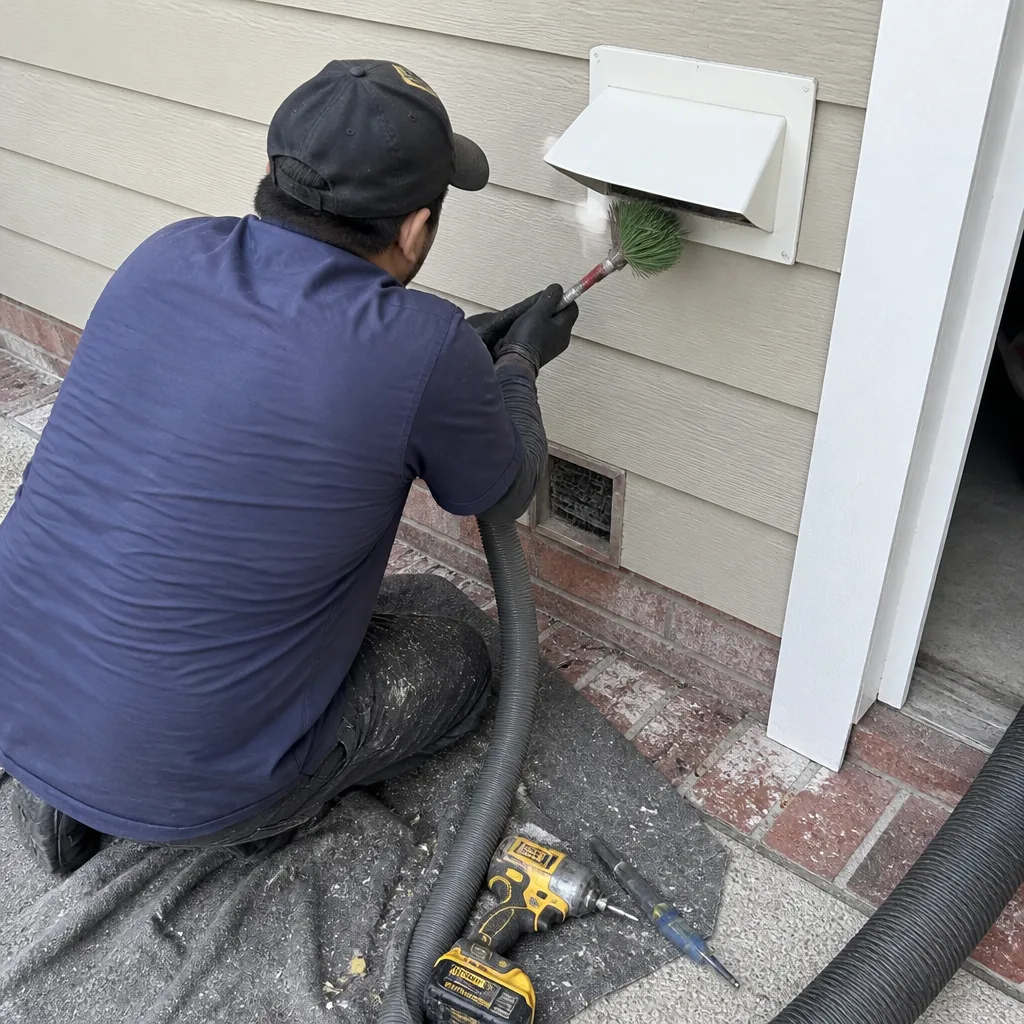 After
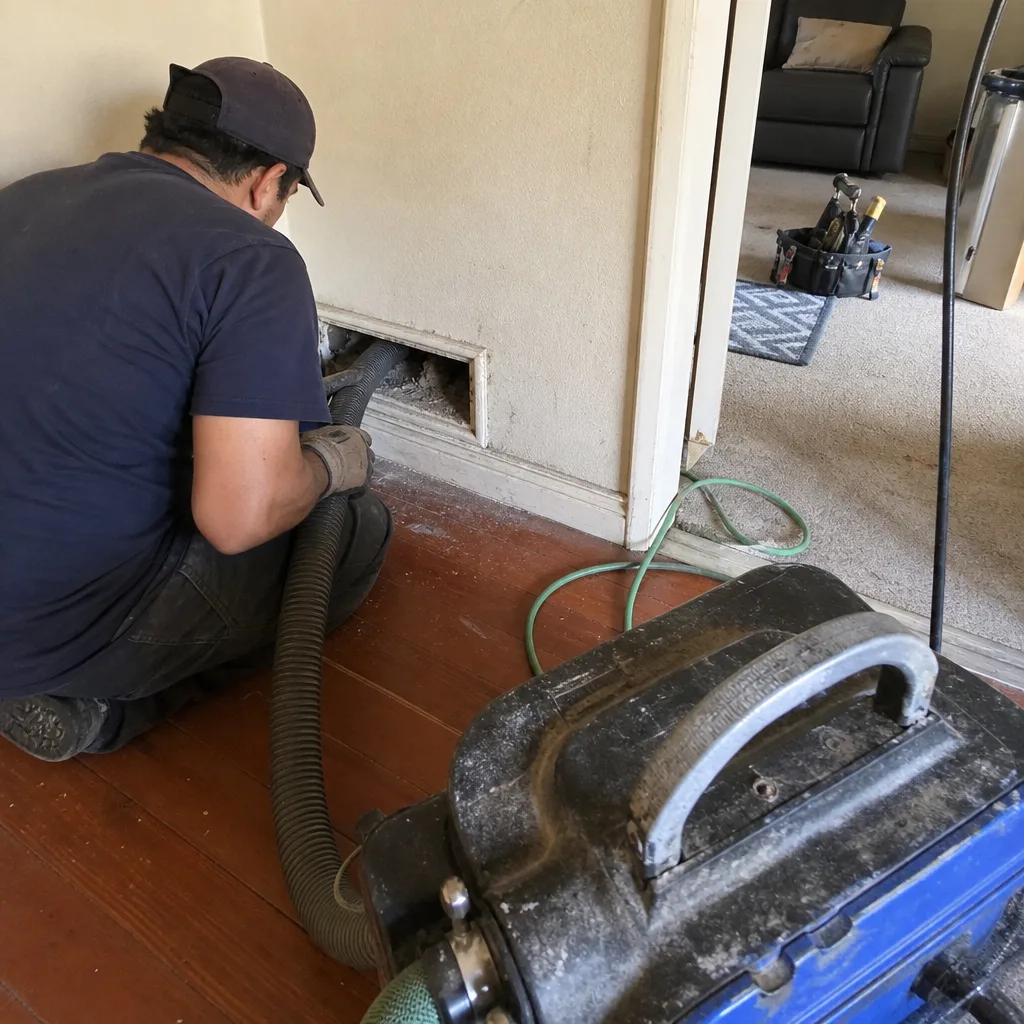 Before
 After
 Before
 After